
![Maxfield - Cage of Glass [Premiere]](https://images.squarespace-cdn.com/content/v1/59530136f5e2319eabb7d87f/1550968388649-1H3JDU7KXRTR7YE2COKM/TMM+Vale+edit+%282%29.png)
Maxfield - Cage of Glass [Premiere]
The enchanting, Odyssean “Cage of Glass” is the third succulent taste of Maxfield’s upcoming EP The Malleable Mirage releasing on February 27th with VALE. Coming in at just under nine minutes, and missing the traditional whizzes, bops, and bright colors that entice bass music listeners, “Cage of Glass” is an enchanting electronic bass ballad that finds Maxfield again out on an artistic limb.
The enchanting, Odyssean “Cage of Glass” is the third succulent taste of Maxfield’s upcoming EP The Malleable Mirage releasing on February 27th with VALE. The crisp, cutting mid-tempo tunes “Opaque” and “Chucklebup” each premiered on the Inspector Dubplate Youtube channel recently. But coming in at just under nine minutes, and missing the traditional whizzes, bops, and bright colors that entice bass music listeners, “Cage of Glass” is an enchanting electronic bass ballad that finds Maxfield again out on an artistic limb.
Listeners learned from Maxfield’s prior project Under the Pink Umbrella that the producer is not afraid of taking risks in terms of songwriting. Indeed, one distinguishing aspect of Maxfield’s music is that his songs can be twice as long as your average hit, and non-linear; they never take quite the turn that you’re expecting, opting instead for a series surprises that range from the serious to the wacky and irreverent.
“Cage of Glass” opens as if the listener is inside some sort of translucent prism, probably technicolor and highly reminiscent of a film adaptation of your favorite sci-fi novel. Suddenly, the prism because touring through space-time, passing jungles where flute melodies waft through the air and medieval caverns where a court jester sadly plucks away on acoustic guitar strings. Then, it’s off to the future as an array of synthesized percussive sounds scurry through the mix like a centipede. Before long, all these ages and their textures blend into a sonic collage beautiful for its diversity, not for the strength or severity of any one specific element.
Maxfield has indicated before that his music is suffused with themes of space and space travel. These themes are again at play on “The Glass Cage”. It’s open spaces and its windy and momentous melodies conjure images of a vast emptiness that upon closer examination is not so empty. Look out for The Malleable Mirage on February 27th when the full project in all its quirky glory will be available through VALE.
PRE-ORDER: Bandcamp
FOLLOW VALE: Soundcloud / Bandcamp / Facebook / Instagram / Twitter / YouTube
FOLLOW Maxfield: Soundcloud / Bandcamp / Facebook / Spotify / Instagram

Lo-Fi Sundays 064 - ColDrip
There’s nothing like a chunky, big-bodied hip-hop beat to make you sit up in your seat. ColDrip surprises us with his small cache of these slappers, which are counterbalanced with more thought-provoking, jazzy fair. His small catalog jumps around a few different sub-styles of lo-fi. It sounds like the assuredly talented producer is still finding his voice; seeing what’s hot, what’s cold, and what’s just right.
There’s nothing like a chunky, big-bodied hip-hop beat to make you sit up in your seat. ColDrip surprises us with his small cache of these slappers, which are counterbalanced with more thought-provoking, jazzy fair. His small catalog jumps around a few different sub-styles of lo-fi. It sounds like the assuredly talented producer is still finding his voice; seeing what’s hot, what’s cold, and what’s just right.
It’s easy to enjoy the fat stereo spread and twenty-pound compressed percussion in clips like “Littebitmore” and “Things Are Pretty Good”. Full compositions like “SidewalkJam” ft. rbi have more staying power, and not just because of their longer run time. The dynamic songwriting here demonstrate that the producer likely has more complex material to dive into. Most of that, in fact, is over on his Spotify account where three full LPs are available.
Based in Berlin, Germany, ColDrip’s music has been released by a cross section of labels including Dust Collectors, Brunch Collect, and the Syndey-based o-nei-ric Tapes, where his irreverent style sounds most at home. We recommend digging into a lo-fi feast on his Spotify page once you’re through this week’s curated playlist, then keep your eyes peeled for his next serious project.
FOLLOW ColDrip: Soundcloud / Spotify / Instagram / Bandcamp / Twitter
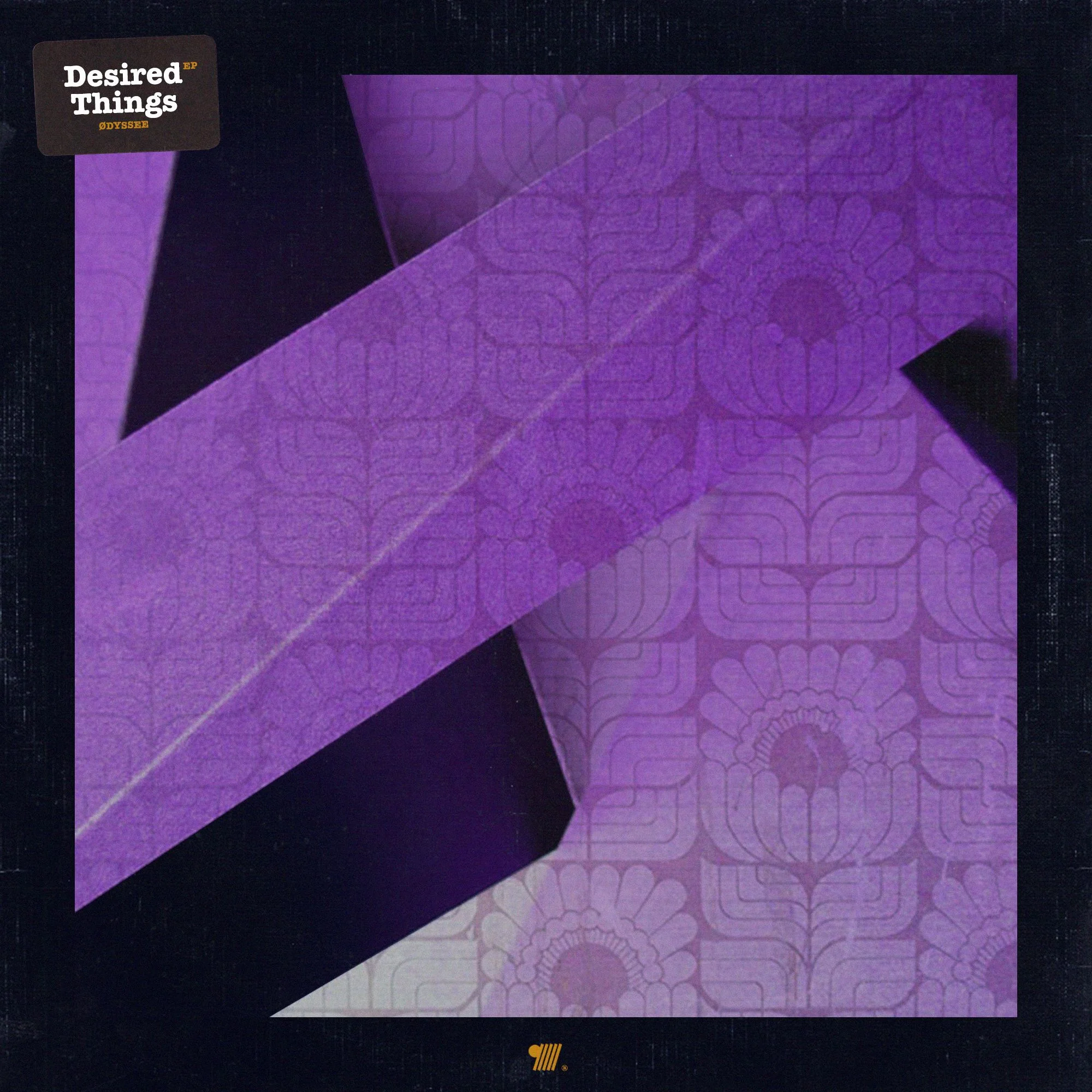
ØDYSSEE - Desired Things
There’s an old axiom that says, “It’s not what you do, it’s how you do it.” The music of ØDYSSEE exemplifies this axiom. On his new six-track release, Desired Things, he borrows bits from different styles then arranges them like a florist creating a beautiful bouquet. This unconventional take on hip-hop, presented by NINETOFIVE Worldwide Beatmakers, is entirely composed and arranged by ØDYSSEE himself; there’s no sampled material here.
There’s an old axiom that goes, “It’s not what you do, it’s how you do it.” This sentiment was voiced in an old jazz tune originally performed by Ella Fitzgerald, “T’aint What You Do”. The music of ØDYSSEE, a jazzist and vibe provider of a different character, exemplifies this axiom. The Parisian producer dances along the ever-narrowing line between jazz and hip-hop while also incorporating bits of blues, boss-o-nova and electronica. Each style feels age-old, but ØDYSSEE reinvents them through a process of musical collage. On his new six-track release Desired Things he borrows bits from different styles and arranges them like a florist does a beautiful bouquet. This unconventional take on hip-hop, presented by NINETOFIVE Worldwide Beatmakers, is entirely composed and arranged by ØDYSSEE himself; there’s no sampled material here.
Lately the producer has been alternating between original compositions and sample-based music. ØDYSSEE plays the piano, synthesizer, guitar, bass and perhaps more. As some of his peers in the beatmaking world have discussed, there is a degree of tension in the industry between composition and sample-based music. Copyright infringement concerns collide with creativity and spark discussion on the history of hip-hop itself. This doesn’t appear to weigh heavily on ØDYSSEE, whose sole goal is to create deeply expressive music regardless of the technicalities behind it.
The keyboard and guitar take turns leading the musical discussion, speaking to the listener and creating dialogue with each other. They’re projected against a background of deep, velvet basslines and shimmering, aqueous synth pads. With his exceptional songwriting ability, ØDYSSEE’s melodies poke the listener in all the right spots, provoking potent emotions and ideas. One can’t help but fall into a productive daydream during the short but rich “Aquatic Groove”. ØDYSSEE’s music would not be complete without top-tier drums. Indeed, a calling card of his production style is percussion that is punctual and snappy yet swings gregariously. ØDYSSEE was influenced by the blues when he learned to play guitar. This influence is apparent across his entire catalog but makes its most dramatic appearance yet on Desired Things. On the the final cut, “Strange Dream”, the tempo dies down and the drums shuffle lazily, opening up space for raw six string dialogue to spill forward.
In tone and texture this music feels organic, yet it’s spliced together mechanically. Hip-hop offers the foundation and skeletal structure, yet the phrasing and amount of improvisation gesture towards jazz. More than most of his projects, Desired Things finds ØDYSSEE carving out new creative space. He’s not departing from the beatmaking milieux in which he began. Rather, he’s broadening the scope of what hip-hop, jazz, and blues can be in this millennium by applying his unique creativity and force of will to these well-established styles. He always has a project or three in his back pocket, too, so stay chooned.
FOLLOW ØDYSSEE: Spotify / Soundcloud / Bandcamp / Facebook / Instagram
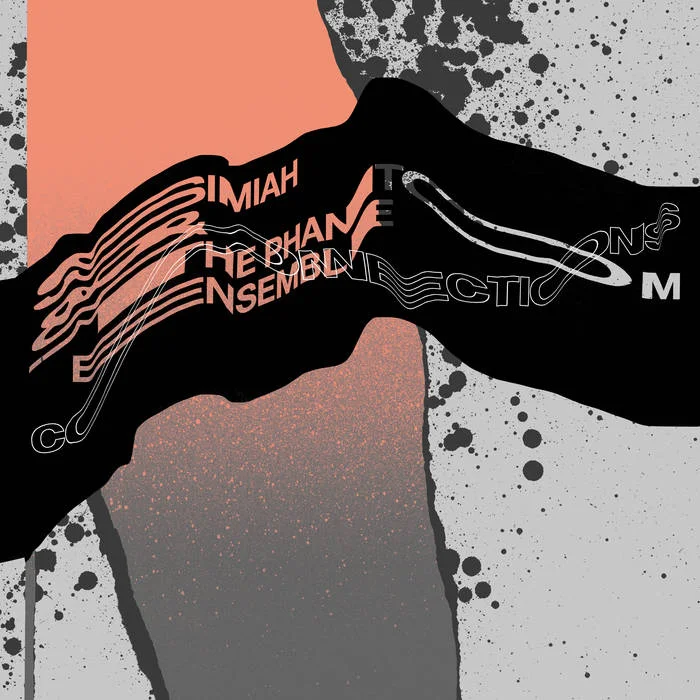
Simiah & The Phantom Ensemble - Connections
Simiah & The Phantom Ensemble is an open-ended jazz ensemble that folds together live sampling, keys, saxophone, and a bevy of guest instrumentalists in the live sphere. On February 15th, they unveiled their debut LP, Connections, establishing their particular fluidity in studio format. The blend of sampled percussion and zoned-in conventional tones creates a smoke-screened aesthetic behind the eyes, gently touching on the senses.
England is currently in the midst of a full-blown jazz renaissance, and the talent pouring out of this cultural eruption has a knack for bridging the gap between different strains of broken-beat music. Simiah & The Phantom Ensemble is an open-ended jazz ensemble that folds together live sampling, keys, saxophone, and a bevy of guest instrumentalists in the live sphere. On February 15th, they unveiled their debut LP Connections, establishing their particular fluidity in the studio format. The blend of sampled percussion and zoned-in conventional tones creates a smoke-screened aesthetic behind the eyes, gently touching on the senses.
Simiah is the boom-bap trooper with a vigilant duty to break the beat any way he can. Utilizing a classic MPC to channel drum lines and percussive jaunts, his control of the stereo space throughout the album is entangling, just as alive as the purebred instrumentation that rests atop it. The finger-drummed mechanics of velocity and tension are ever present, ebbing the soul of the tracks back and forth from organic to mechanic. Manning the keys with ever the careful touch, Dan Somers fleshes out vibes in every direction imaginable, blending like butter into the arrangement and mixdown of every song. Without so much as a stutter, his dexterity and precision note-to-note forms the veritable glue of the record.
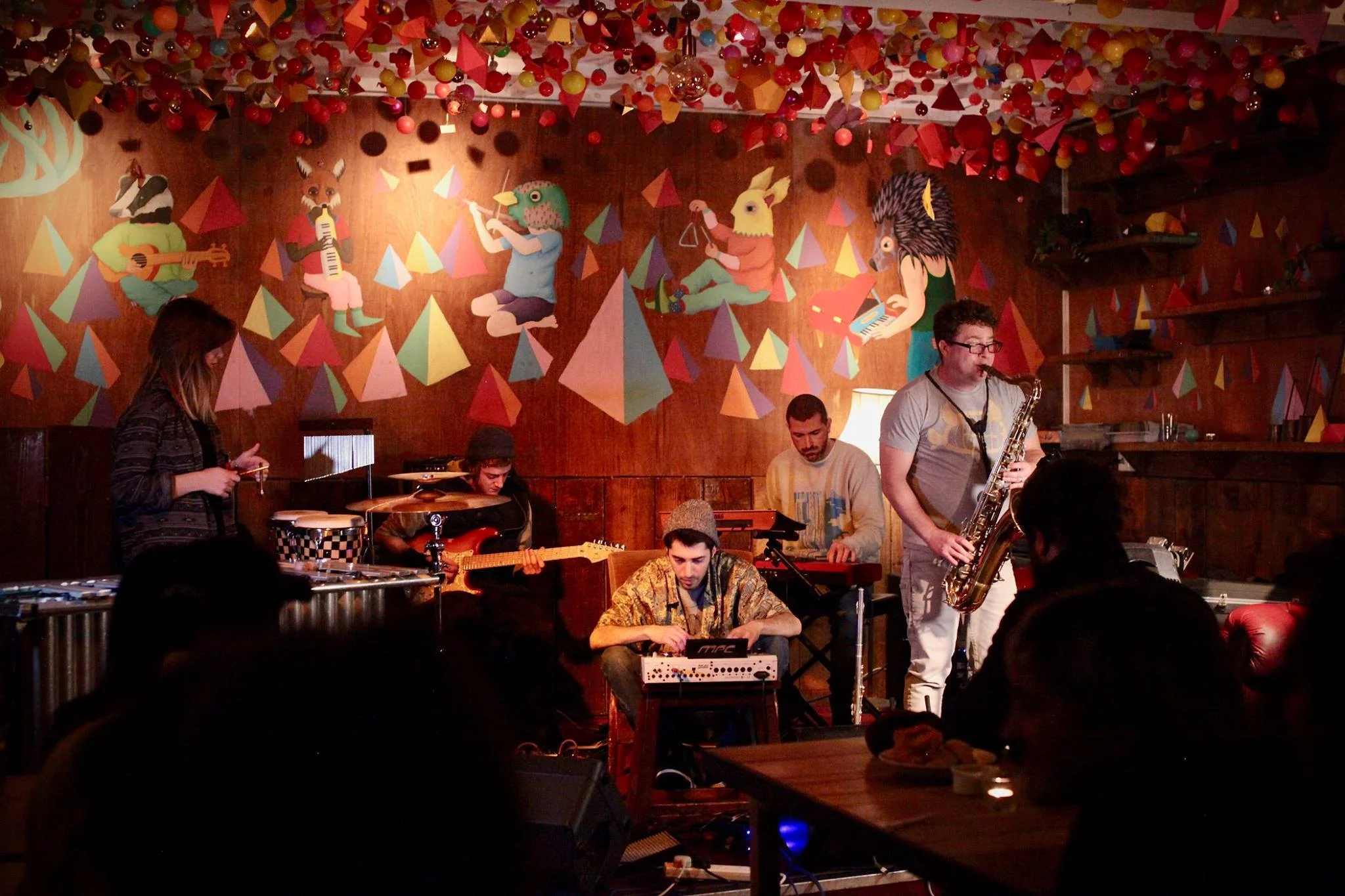
Craig Crofton does justice on a moment-by-moment basis, rocking the saxophone with a sensuality that bleeds through the open space in the mix. A touch here, and riff there, all washed with a careful balance of spatial effects that soak into the tone of the brass. Altogether, this trio absolutely smashes all expectations and standards with their vibrant compositions and time-tested musicianship.
Prior to the release of Connections, the Phantom Ensembles embraced the addition of two new instrumentalists; Harriet Riley, a vibraphonist and percussionist, and the Bristol-based guitarist Chalky White, a Rust fan favorite. Upgrading the Ensemble to a five-piece was a bold endeavor, surely changing the fundamental chemistry of the band. By all accounts, especially the response to their recent live performances, these additions have been like perfect ingredients spicing this already sultry dish.
FOLLOW Simiah & The Phantom Ensemble: Bandcamp / SoundCloud / Facebook

Lo-Fi Sundays 063 - upper class
If you aren’t familiar with Germany’s well-rounded sonic culture, you’d be forgiven for overlooking their abundance of stellar Lo-Fi producers and rhythm junkies. This week, we’re giving the spotlight to one such germanic beat shuffler; upper class is a straightforward, no frills producer with beats that send the head rocking back and forth between the roaring 20s, the R&B/Hip-Hop laden 90s, and the spice of modern sampling power.
If you aren’t familiar with Germany’s well-rounded sonic culture, you’d be forgiven for overlooking their abundance of stellar Lo-Fi producers and rhythm junkies. This week, we’re giving the spotlight to one such germanic beat shuffler; upper class is a straightforward, no frills producer with beats that send the head rocking back and forth between the roaring 20s, the R&B/Hip-Hop laden 90s, and the spice of modern sampling power.
There’s a distinct spread to upper class’s repertoire of various stylings and flavors; blistered trap rhythms, boom-bap slappers, a few tasty 4x4 dust-kickers, and a handful of savory tunes that exude a palpable weirdness in its best form. He flips samples like hotcakes on Sundays and dishes out a groovy, space-aged anthems that feel like an ode to hip-hop from some far off civilization. Prominent throughout his discography is a bevy of juicy bass lines, eschewing the typical sub rumble of his contemporaries, and instead utilizing mid-range tones sauntering in syncopated rhythms.
In 2018, upper class combined forces with nalim. to form the DIY label and collective CASSETTE NOIRE, focused specifically around the cultivation of beats music. With over 3 years of nonstop releases under his belt, as well as the aforementioned label initiative, upper class is clearly poised to continue pushing out content in no time at all. Keep your ears pealed on this fine-tuned player of the Lo-Fi, or miss out on the guaranteed freshness it is sure to project.
FOLLOW upper class: Soundcloud / Bandcamp / Spotify / Instagram

Withoutside - Istanbul
Withoutside, the musical alias of Brooklynite Carey Clayton, is a fairly new project with an aptitude for ambient, phosphorescent music that now finds a home with Outtallectuals. His most recent endeavor, Istanbul, is an absolute gem of an EP, built from the ground up via a hardcore, back-to-the-roots methodology. Istanbul is composed mostly through the sampling of foley sounds from its namesake city, creating a culturally-fused vibrance that is its fundamental attraction.
Outtallectuals has maintained a long-standing reputation for purveying exploratory music. Withoutside, the musical alias of Brooklynite Carey Clayton, is a fairly new project with an aptitude for ambient, phosphorescent music that now finds a home with Outtallectuals. His most recent endeavor, Istanbul, is an absolute gem of an EP, built from the ground up via a hardcore, back-to-the-roots methodology. Istanbul is composed mostly through the sampling of foley sounds from its namesake city, creating a culturally-fused vibrance that is its fundamental attraction.
“Beating feet for sampling meat” is an time-tested method to collect the wondrous textures and atmospheres of the surrounding world. Utilizing the urban sprawl of Istanbul to create a vast assortment of foley and musical material, Clayton left no stone unturned in his quest to capture the aura of this old-world metropolis. Street musicians, vendor bellows and business chimes, crashing waves smacking against port-bound ships, and a cornucopia of percussive trinkets and happy aural accidents populate each track. Accentuating the bevy of sampled gold, Withoutside also flexes multi-instrumental talent, laying down phrases from guitars, basses, synthesizers, additional percussion, and a particularly airy Cura saz. Vivacious undercurrents carry the attitude of the EP along sweeping mind-states and massive aural vistas, capturing not just the sound of Istanbul, but the bravado of this historic city as well.
Withoutside demonstrates remarkable creative vision coupled with brilliant execution, easily earning himself a place in the formidable Outtallectuals catalog. With skin in the game for eight years now, the UK-based Outtallectuals team has proven time and again that they have more than one finger on the pulse of experimental music, with over 90 international artists spanning the sonic spectrum. Istanbul couldn’t be more on par with the label’s sonic dimensions (or lack thereof). Keep Withoutside on your radar. A release such as this surely demarcates a lush, musically-pioneering future.
FOLLOW Withoutside: Soundcloud / Spotify
![Resonant Language - Laminar Flow [Single]](https://images.squarespace-cdn.com/content/v1/59530136f5e2319eabb7d87f/1549565431480-LPB851LPBUTIZRRC6TDX/artworks-000483778650-6o2088-original.jpg)
Resonant Language - Laminar Flow [Single]
Of the sounds echoing out of Colorado, none bear the banner of “weird” quite as dynamically as Resonant Language. While concepts like IDM or Bass Music might have some sticking power, the gravitation towards under-explored or novel areas of magnetic manipulation constantly defy expectation and often totally stymie any effort to describe him. The new single, “Laminar Flow”, available now on Addictech and next week on Bandcamp, is no exception.
Of the sounds echoing out of Colorado, none bear the banner of “weird” quite as dynamically as Resonant Language. Though he has only released a scant two EPs over seven years with a smattering of singles, the utterly unique structure and sound of his body of work is immaculately crafted and untouchable by words like “genre” or even “format”. While concepts like IDM or Bass Music might have some sticking power, the gravitation towards under-explored or novel areas of magnetic manipulation constantly defy expectation and often totally stymie any effort to describe him.
The new single, “Laminar Flow”, available now on Addictech and next week on Bandcamp, is no exception. With a broken beat that teases stability, he rides the line between holding predictable elements and totally subverting them. The most unusual aspect of the track, however, is the final third, in which natural drum samples creep in - suddenly the track drops into a jazzy space with a humble bluesy guitar melody. Smooth and drawn taut by the drums' occasionally breaksy stance, this is a calming wave after the storm of frenetic sound design and wandering notes. The track is mastered by Skyler Golden (Jade Cicada).
One never knows quite what to expect next with Resonant Language, which makes his music less accessible to some listeners. “Laminar Flow” is certainly more sedate than most of his released work, hence the streamlined implications of the name. With a singular devotion to his sound, he wrings unbelievable expressiveness out of his labor, truly exhibiting the emotions and struggle of making something new and challenging. While Resonant Language is often a struggle to dance to, the challenge is always worth it.
FOLLOW Resonant Language: Soundcloud / Facebook / Spotify
![Dystopik - Squat Juice [Single]](https://images.squarespace-cdn.com/content/v1/59530136f5e2319eabb7d87f/1549492253256-K4DL0I3EJN29XR6KLIIT/DYSTOPIKJUICE.jpg)
Dystopik - Squat Juice [Single]
Bending frequencies with blistering aggression, Dystopik reaches maximum energy levels with his latest single “Squat Juice”. This one comes of vicious label Wonk#Ay Records where Dystopik is a mainstay. He’s spent the last year and change producing all manner of bass tasters ranging across the rhythmic spectrum in both full and half-time interpretations. Within this steady string on destructive wave-bending, “Squat Juice” is another notch up on his own boisterous scale.
Bending frequencies with blistering aggression, Dystopik reaches maximum energy levels with his latest single “Squat Juice”. This one comes of vicious label Wonk#Ay Records where Dystopik is a mainstay. He’s spent the last year and change producing all manner of bass tasters ranging across the rhythmic spectrum in both full and half-time interpretations. Within this steady string on destructive wave-bending, “Squat Juice” is another notch up on his own boisterous scale.
The meat of “Squat Juice” is it’s bone-shattering bass line. The synthesis is crushed with oversaturation and compression, resulting in a mutant tone that bangs out of speaker cones. Blasting in tandem with the bass line, the percussive design and arrangement is hair-raising and high-octane. Massive kicks propel each phrase into a bevy of heat-seeking snares that ping-pong around the tonal elements in the track. As for melody, there ultimately isn’t much. What we’re dealing with here is pure, unbridled sonic force.
Wonk#Ay Records has an reputation for fostering unconventional bass music. The raw energy that exudes from their catalog is a testament to their extensive research and scouting of underground sonic bruisers. Dystopik has certainly earned his keep with their lot, having been featured on numerous compilations and releases, including Pull Up, Feed The Contagious, and The Tronic. Stay tuned into his beefy frequency, and you might just get tossed around in a torrent of sound.
FOLLOW Dystopik: Facebook / Soundcloud
Lo-Fi Sundays 062 - mora.
Grainy, wavering, echoing notes are a hallmark of the ascendant lo-fi hip hop sound. Mora., a producer based in Buenos Aires, Argentina who’s been at it for approximately three years, hits these notes effortlessly. His sound surrounds the listener. The lead melodies in his music are set against a backdrop of pads which sound like a music box that’s been dropped into a bucket of water; shimmering echoes carried on crisp drums.
Grainy, wavering, echoing notes are a hallmark of the ascendant lo-fi hip hop sound. Mora., a producer based in Buenos Aires, Argentina who’s been at it for approximately three years, hits these notes effortlessly. His sound surrounds the listener. The lead melodies in his music are set against a backdrop of pads which sound like a music box that’s been dropped into a bucket of water; shimmering echoes carried on crisp drums.
One, two, one, two marching forward to eternity in a dreamscape. His best songs are like blurs of emotion or vague feeling, like an idea or essence brushed up against but not fully captured. These beats encapsulate a sort of quintessential lo-fi aesthetic. Some, including “gone” and “laika” utilize certain samples that are flipped by many other beatmakers. This may agitate some, who believe too many producers are using the same samples. At the same time, certain samples simply lend themselves well to hip hop beats - “the standards” if you will. Mora executes these standards with class and creativity.
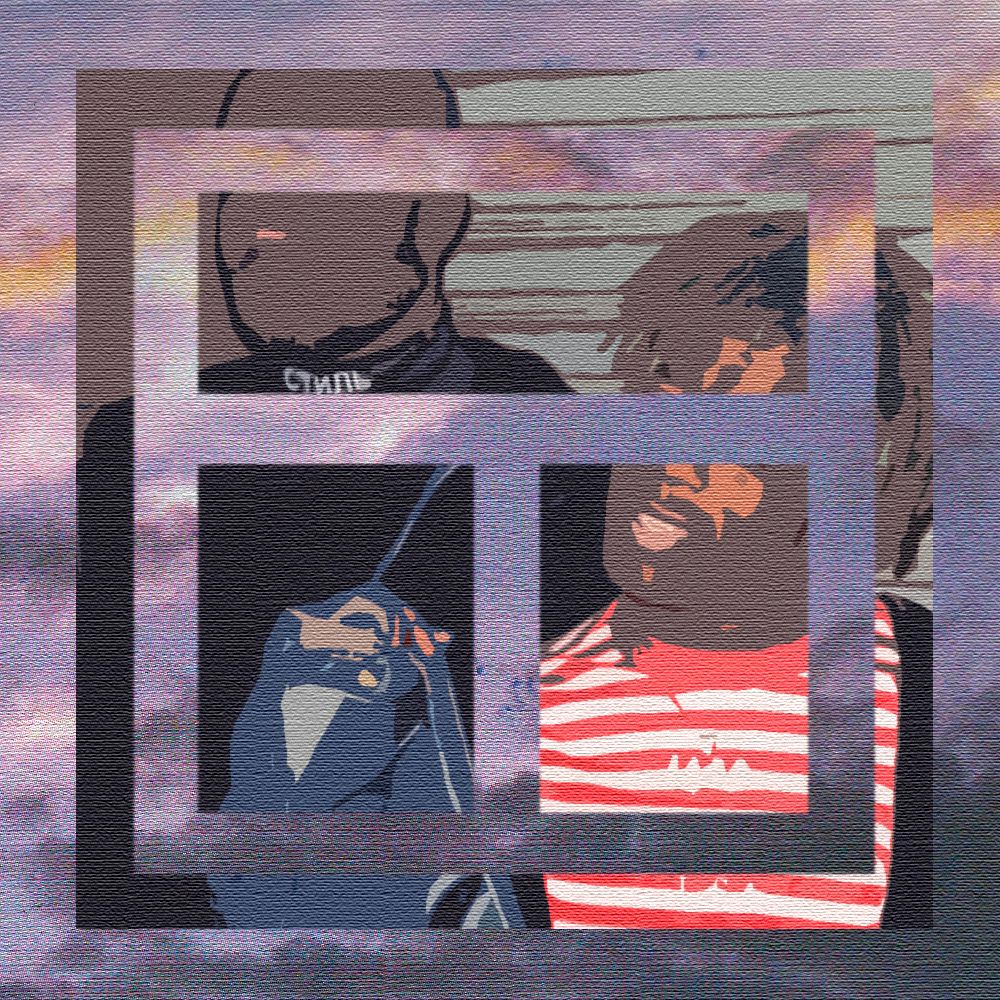
The producer has been featured on prominent compilations from Inner Ocean Records and lofi.hiphop. He does his own graphic design, or, as he calls it, “graphic design”. In spite of his apparent modesty, his work is quite good (see the cover photo for this article). He captures in this artwork the same grainy, wavering subconscious haze that surrounds his music.
FOLLOW mora.: Spotify / Soundcloud / Bandcamp / Twitter
![Universal Language - ANKO [Interview]](https://images.squarespace-cdn.com/content/v1/59530136f5e2319eabb7d87f/1544398820371-A6K364REHBUP8SXP820J/ANKO_ControlRoom.jpg)
Universal Language - ANKO [Interview]
The same ingredients that construct music also construct linguistics in everyday speech; pitch, rhythm, and tempo. The column Universal Language was first inspired by a deep appreciation of music that speaks on emotional levels. The concept blossomed into a practice of collecting thoughts from musicians about how the music culture and scene in their country may impact their sound and artist persona. For the first installment, we spoke to French producer duo ANKO.
The same ingredients that construct music also construct linguistics in everyday speech; pitch, rhythm, and tempo. The column Universal Language was first inspired by a deep appreciation of music that speaks on emotional levels. The concept blossomed into a practice of collecting thoughts from musicians about how the music culture and scene in their country may impact their sound and artist persona. Sometimes, listeners may misinterpret cultural differences and miss concepts that are beyond an individual’s awareness. The intention of this column is to bridge that gap by sharing artists’ insights.

To kick off this project, Nicolas de Ferran and Antoine F. Martin, based in Paris, France and better known as ANKO happily boarded the journey of Universal Language. Nicolas and Antonie started their career together writing and producing music for primetime TV shows and documentaries in France. The duo came together to birth their creative brainchild ‘ANKO’ to begin sharing an original, personal song sculpting.
In March 2018, ANKO released their first EP titled Waved. This five-track release offers various sound textures that unfold eargasmic sensations. Synthesized electronic sounds are coherently blended with raw acoustic instrumentation, allowing us to travel a wide spectrum of emotions through the duo’s music. Projecting light to heavy and soft to powerful within their music, Nicolas and Antoine are true audiophiles who understand sound engineering and composition. We were honored to share notable words them.
The Rust: You two started working together as songwriters and producers for primetime TV and documentaries in France. What are the notable differences in approaching sound design as work versus a personal project?
Nicolas de Ferran: Both are very interesting, and even though we have more freedom when working on personal projects, we still need to create under some kind of constraints that we set for ourselves. We need to match a style, a structure... I think that constraints are good for creativity. So in a way, the process of composing and producing music for ourselves or for someone else (TV, etc.) is kind of similar! The real difference is that you have more room to express yourself when you do a personal project.
Antoine Félix Martin: It's true, to work under constraints or search for a musical direction as a band is pretty similar. Even though the goal is different, in both cases you need to adapt to the project's aesthetics and be at the service of the music. You can say that ANKO is kind of a "auto-commission" haha!
The Rust: The music of France reflects a diverse array of styles. What it’s like to be musicians/producers in France working with the musical style and direction ANKO has taken?
Nicolas: I think we are very lucky in France to be surrounded by a bunch of amazing artists. Our musical style is pretty roots when you think about it: we play everything ourselves or record additional musicians that bring their own personality to the project. It's nice to be surrounded by so many influences.
Antoine: Yes, there's a lot of good musicians from every horizon here, we're lucky to live in a capital for that. It's easy to connect to a lot of people. We've got everything we need to make good records in every style, so no excuses!
The Rust: Are there particular styles/soundscapes you guys are interested in exploring musically, other than your current direction?
Nicolas: Yes, we would like to explore even more acoustic textures. In "Waved" there are a lot of beatmaking and synths and even though we like it and are proud of what we produced, we'd like to dive more in the acoustic realm. I studied classical and jazz for years and Antoine has been working as a sound-engineer with some of the greatest jazz musicians in France so we feel very comfortable working with acoustic elements.
Antoine: Exactly, we'd like to take a little break from the computer on which we spend too much time and come back to a more acoustic sounds for the next release. As we were saying above, we've got tons of excellent musicians here, it'd be a shame to not take advantage of it.
The Rust: Can you elaborate on the music scene and culture in your country? What kind of characteristics are found in the scene that are unique to France? Are there any recurring events or collective movements that congregate the community?
Nicolas: I think we are lucky in France to have a big heritage that influenced the music industry worldwide, from classical composers to electronic musicians. And you can feel that music is an art that takes a huge place in the everyday life of French people and on a larger scale as well: recently we have the Philharmonie de Paris which opened and this is one of the most acoustically amazing concert halls I've ever been to. Jazz clubs are going strong, there's a lot of festivals all year long, orchestras are getting more and more attention... I think it's a good country to live in to be a musician.
Antoine: Yeah, no doubt. The French mentality has a tendency to think that "the grass is always greener elsewhere" but in reality we all agree on the fact that it's an amazing place for artists.
The Rust: Could you speak on the relationship between the two of you? What clicks between you two, and what caused you to pursue an original project as a team?
Nicolas: We originally started as a composer/sound-engineer duo in the TV field. We really liked to work together and we realized that we had a lot in common and one day we decided to create ANKO because we both wanted to do a trip-hop project for a long time. I guess I'm more on the composition side for this project, I come to the studio with ideas, sketches or even fully composed tracks and we work together on it. Antoine is more focused on the production side of things, which a huge part of what makes this music good. The composition alone is definitely not enough. But we both equally make decisions on anything. It's a real collaboration, we work together closely on every aspect of our music.
The Rust: Can you walk us through ANKO’s workflow? What are some of individual roles you guys take under the project? What digital tools are used in the process of executing ANKO music?
Nicolas: As I said above, I usually wear the composer's hat. I come to Antoine's studio with my ideas and we work together on them. Sometimes I take what we did together back in my own studio to do some additional strings or brass arrangements. I also do all the scores/parts when we need to record musicians.
Antoine: For this first EP our main DAW (Digital Audio Workstation) was Pro Tools. We sketch, record, produce and mix with it. For beats and synths, I use Ableton Live in parallel which is more powerful to create loops. I do all the beats myself with an Akai MPD to obtain a more natural result.
The Rust: I noticed that you utilize a combination of hardware instruments in conjunction with conventional production methods. Could you share the process of capturing audio from organic instruments? Do you collaborate with other musicians during the process?
Antoine: Hell yeah! They come to Krispy Records —my own studio— and we give them directives on what we want. But we like to let them bring their own view to the music. We value greatly their input and that's why we like to collaborate with other musicians. They bring their own musicality to the project and it makes the music even richer. For "Waved" we recorded strings, brass, woodwinds, percussions, drums, electric bass, double-bass, acoustic guitars...
The Rust: ANKO’s first EP ‘Waved’ was released on May, what are some concepts behind the EP?
Nicolas: It was a bit experimental because it was our first release. We wanted to create a sound that was powerful and soft/chill at the same time and explore our influences whether they are jazz, classical music or electronic music. What was important for us was to have a consistent and homogenous music, we wanted the EP to feel like a whole, not just a simple train of tracks. Also we wanted to avoid using samples as much as possible.
The Rust: What are your collective visions for the future of the ANKO project? Do you have any plans for live performances in the future?
Nicolas: Yes! We are starting to work on a new release, maybe a full album. We don't know when it'll be finished though because we are both very busy with our careers besides ANKO, but now that we have already one EP under our belt the process will hopefully be faster! We don't have any live performances planned for now, ANKO is a studio project. But we're not against the idea! We'll see what the future holds for us!
Antoine: Of course, we got tons of plans! It's just the beginning so stay tuned!
-
We thank ANKO for opening up their world to help us understand the visions behind their musical playground . All the songs featured on Waved were executed, produced, recorded and mixed in Krispy Records Studio. The studio is also open for up-and coming-musicians in Paris to get some professional aid from the duo themselves. It’s apparent that ANKO is a group worth knowing and staying connected to. If you appreciate music that holds extraordinary life forces by channeling a full-spectrum of sounds that your ears can grasp, stay chooned to ANKO.
FOLLOW ANKO: Soundcloud / Bandcamp / Facebook / Instagram

Lo-Fi Sundays 061 - Mononome
Mononome draws inspiration from the crate digging forefathers and lends a vision that is all his own. This native of Greece has spent years digging for the right records to mold his sound. The approach is one that’s familiar, but it’s accomplished using an entire body of music from Greece that’s gone largely unheard this side of the world. All of his tracks are entirely produced, mixed & arranged with an AKAI MPC 2500. The music is without digital influence, a nod to all of the pioneers who have brought us to where we are now.
This music speaks directly to the notion that hip-hop has no boundaries. Mononome draws inspiration from the crate digging forefathers and lends a vision that is all his own. This native of Greece has spent years digging for the right records to mold his sound. The approach is one that’s familiar, but it’s accomplished using an entire body of music from Greece that’s gone largely unheard this side of the world. The end result is a sound that is truly unique to Mononome (also to Greece). You can feel the culture teeming within the vinyl, and he does a proper job bringing that to the forefront of the compositions. This is another great example of when an artist takes a customary idea, and turns it into a novel concept.
The journey starts in 2011 with the release of Dream Sequence, followed shortly by The Secret Melody via Bulgarian netlabel, Dusted Wax Kingdom. The label has been a solid source for all things downtempo and abstract since 2007, and has hosted all of their releases for free listen and download on their website since its inception. In 2012, a partnership was made with Beatquick records, based out of Athens, Greece. This record label would become an integral part of a bourgeoning trip hop scene emerging within the country, and would go on to release music from some of the most prolific Greek artists. Henceforth his compositions have continued to be released via Beatquick, StillMuzik, & DLOAW & Co.
This is the sort of sound that likely emanates from dark alleys in coastal towns surrounding the Mediterranean. There is a strong maritime feel, which owes itself to the music’s proximity to the sea. This is old world rustic boom-bap that tells a new tale using snippets of the past. Tracks like “Don’t Come Back” & “Leaving” offer the best examples of this sonic link to antiquarian styles of music. While some songs resemble a soundtrack for a day trip at sea, others might have you spooked walking alone at night. “Pitch Black Sun” and “Lie”, for example, are more suited for a trip to the graveyard, with dark, mystical undertones. “Dancing Scissors” is a track that inspires no comparisons. Off-beat drum patterns garnished with haunting vocal samples anchor a unique sound and style that deviates from most known patterns.
In 2013, Mononome helped form an international trio with producers Jenova 7, Mr. Moods. This placed three stylistically disparate producers in the same room, and led them to create a sound that highlighted their individual strengths. Using a mix of vinyl sampling & live instrumentation Wax Triptych cycles through numerous genres and moods to paint pictures in the mind’s eye. Their album “A Tale of 3 Heads”, which would serve as a benchmark to the European trip-hop scene for years to come.
Most notable about Mononome’s work is how it’s created. All of his tracks are entirely produced, mixed & arranged with an AKAI MPC 2500, and the rightly producer takes great pride in this. The music is without digital influence, a nod to all of the pioneers who have brought us to where we are now. In this way Mononome is a link to the past, both through his music and his means of production. Allow yourself some time on this sleepy Sunday to settle into this masterful body of work.
FOLLOW Mononome: Soundcloud / Spotify / Bandcamp / Instagram
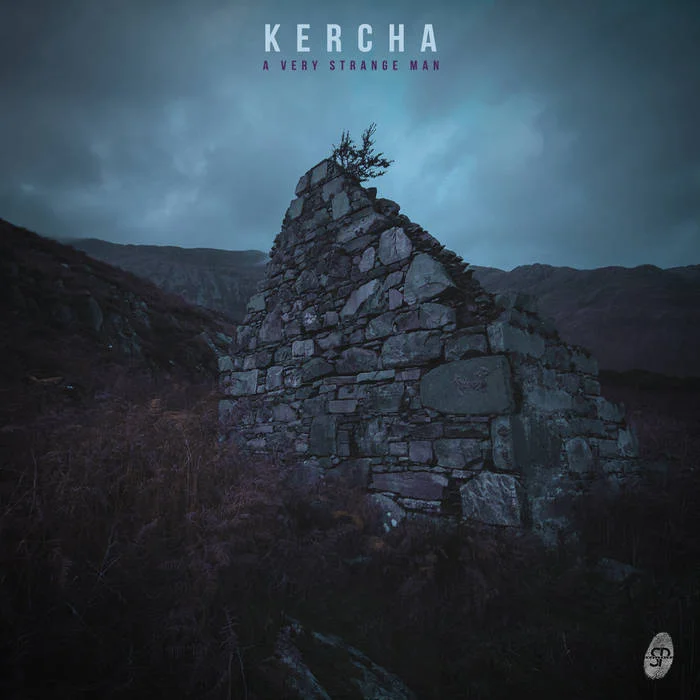
Kercha - A Very Strange Man
The beginning of the new year typically brings a wide swath of musical releases from artists looking to offload last year's final creative products, and Kercha is not about to miss out on this high-octane release season; His latest EP, A Very Strange Man, delivers his sonic vision with an acuity that is a testament to his meticulous production process.
The beginning of the new year typically brings a wide swath of musical releases from artists looking to offload last year's final creative products, and Kercha is not about to miss out on this high-octane release season; based out of Gelendzhik, Russia, Kercha has been a mainstay contributor to SmallPrint Recordings, and excels in the design and composition of exceptionally vibey system music. His latest EP, A Very Strange Man, delivers his sonic vision with an acuity that is a testament to his meticulous production process.
The initial draw of the EP lies in the tangible difference between musical aggression and musical abrasion; eschewing abrasive tones and wide-berth frequencies, Kercha allows the rhythm to drum up the aggression of the music, as in the case of the track “Rope”. Pounding 808s and modulated sub frequencies enhance the stereo image, permeating an aural aesthetic that is both brazen and succinct. Taking a step away from large-bore sub weight and eclectic rhythmic shuffles, “Ghosts Don't Exist” instead meanders in a playfully slapstick direction. Flipping the idea of tonal dissonance on its head, the main melody lick is a subtle drop across a distance of semitones, foregoing harmonic interplay for eclectic note choice. All throughout the EP, the percussion programming and post production shine culminate in voluptuous spatial dynamics. Demonstrated to maximum effect in “A Very Strange Man”, the top layer percussion fills the top of the frequency spectrum, and serves as the focal point of the track. Terse melody elements and stabs of rounded synthesis fill in the gaps to create a stereophonic listening experience that saturates the aural spectrum.
The sea of system music covers a rapidly growing territory of genres and musical attitudes, and Kercha seems to thread in between those constantly re-established lines. Regardless of the mood or atmosphere, his catalog has grown to include a vibe for a diverse range of listeners and enthusiasts. A Very Strange Man is but the next step in an ongoing journey that has seen Kercha's music spread from the other side of the globe and back, and with SmallPrint Recordings backing the process, the guaranteed quality of his musical output is assured through and through.
FOLLOW Kercha: SoundCloud / Spotify / Facebook

Lo-Fi Sundays 060 - NometronN
Bringing a weighty vibe and a bright musical disposition out Kiev, Ukraine, NometronN steals the spotlight for this edition of Lo-Fi Sundays. Replete with all the dust, shimmer, and smokey veneer of archetypal boom-bap, NometronN strikes a careful balance between composition and arrangement.
Bringing a weighty vibe and a bright musical disposition out of Kiev, Ukraine, NometronN steals the spotlight for this edition of Lo-Fi Sundays. Replete with all the dust, shimmer, and smokey veneer of archetypal boom-bap, NometronN strikes a careful balance between composition and arrangement, slicing samples while following the established melodies already within said samples. Be it a dark noire, a blissful overture, or a straightforward, diced-up beat, this rhythm junky is the source for hip-hop mood potion.
NometronN takes two distinct compositional approaches on a track-to-track basis. Firstly, for productions featuring a heavy vocal element, there is notably less splicing done to the warped instrumental additions. The rhythms and melodies are concocted to follow the established vocal pattern, which is often noticeably bereft of manipulation. Taking his other pronounced compositional route, NometronN flexes his finest cuts where vocals are left out of the mix. Splicing in arpeggios and one-shots are mainstay habits of beats music, but he manages to finesse those modular pieces with a particular flourish.
With just over two dozen tracks in the public sphere, NometronN is a new name in the cypher. Clearly possessing an understanding of the Lo-Fi philosophy, he maintains a purity to his productions that is sometimes lost in the nuance of designing this amorphous genre of music. With a steady release cycle and a presumed freshness to his musical output, it can be surmised that NometronN is far from dishing out his last serving.
FOLLOW NometronN: Soundcloud / Spotify / Deezer
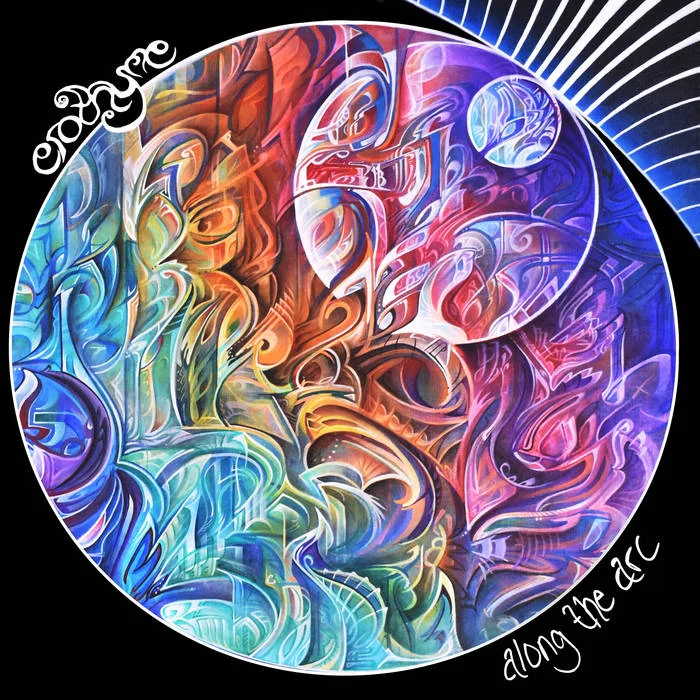
Erothyme - Along The Arc
The Erothyme project is more than just a dance music act, it's a whole universe of glitches, angelic voices, tightly layered samples, and worshipful reverence to the beauty of existence. The latest endeavor, Along the Arc, is further from a concept album than we've seen Erothyme release in LP format, perhaps ever. The use of simple pieces like descending, twinkling arpeggios or a clarifying breath unifies tracks from one to the other, and creates reflections of one another across the album.
When Robert West (aka Bobby Blessed aka Erothyme) began making music 16 years ago, he was a young boy in high-school with big ideas and enough training in music theory to begin making the ideas real. Swimming through classic synths, constant field recordings, a soulful and life-giving funk, and effervescent beauty that is all his own, he developed his sound over some 13 albums. Releasing nearly all of his music on his own Bandcamp, he serves as an inspiration to many; a self-made artist who never compromised his vision for popularity, financial simplicity, or the aesthetics of the time. His seminal Sound in the Living Current (2015), an epic tale of connection and grace that catapulted his artistry into the stratosphere, is so replete with softness and thematic unity that his unique style was able to express itself with ease. The Erothyme project is more than just a dance music act, it's a whole universe of glitches, angelic voices, tightly layered samples, and worshipful reverence to the beauty of existence. His small but devoted following loves him not only for his musical works but for the person it reflects; the Bobert (an affectionate nickname) is so regularly bowled over by the majesty of creation that his soul cries out to make people dance in joy and wonder, and the “tender-hearted charm” of his sets and indeed his personality fills his audience with feelings as warm and fuzzy as his groovy synths.
The latest endeavor, Along the Arc, is further from a concept album than we've seen Erothyme release in LP format, perhaps ever. It's also the most obviously understood of his releases as a dance music release, with only one track, “Vibr808”, serving as an interstitial piece not clearly intended for dancefloors, likely because all these self-release “high art” compositions have left poor Bobby with scant few bookings to feed himself. Despite this, the Erothyme project sacrifices no authenticity; ever the self-made man, Along the Arc is available on for free on his Bandcamp, features all the same sounds he's pioneered and made his own, and has a structure and continuity that allows one to engage with the album on its own terms. Not simply a collection of his most “banger-ific” material, the use of simple things like a descending twinkling arpeggios or a clarifying breath unifies tracks from one to the other, and create a reflection of one another across the album. Even the album description on Bandcamp has a nifty little text art piece that reflects the albums ebb and flow of energy across the tracks and the sound waves that compose them. Bobby is just as grandiose here with the Erothyme project as he ever was, but now with more thump.
The aspect which flourishes the most within the structure of the album is the subdivision that breaks the beat on tracks like “Maui Mindfunk” and “You Been Sleeping” - ever idiosyncratic, his more fast-paced moments of choppy samples, stuttered vocals, or all-out sound design insanity are reminiscent of both a powerful dance music wizard and an indie electronica connoisseur, a colorful combination seen far too rarely in computer music. “Truthful Trustfall” and “Psyche Rising” both have a firm sense of drum and bass, keeping pace with the rhythm while engaging with natural instruments like bird song. “Adorbitable” balances its subdivided notes with an growing boom and clap that seems to create a reverb-laden atmosphere of fuzz, but never becomes too aggressive to distract the listener from its distinctive breaks.
Another powerful trait of Along the Arc is the funky synth lines that have been the main feature in Erothyme sets for so long. Developed through his long history with piano and his constant cleaving to inspired improvisation, tracks like “SynchroNIFTY” and “Rhythm Sanctified” will have longtime fans squealing with joy. “Leap Across” plays with both the most soulful and furious of his funk emotions, sustaining itself magnificently across an epic 5-and-a-half minute runtime, peaking in its final gasps like a bright, burning flare before settling back into a vocal echo chamber, steadily handing the baton to the rippling bass of “Truthful Trustfall”. Bobby has the funk (he is, in fact, a soul) and considers it part of the project’s roots, but rarely does he release it on album material – previously it had only been the main feature on the EPs Four Weird Tracks Record Labels Hate and Inner Space Overhaul, and occasionally on the brilliant compilation of odds and ends called Bobby Steps.
What makes the Erothyme project unique is not just the constant use of his field recorder and sound design chops to innovate novel sonic elements, nor is it his slavish devotion to the delicate beauty of his aesthetic, nor even his cheerful and relatable conversation when at a gig and his connection with his fans. The unlikely synchronicity of all these traits is rare, to be sure, but what pushes Bobby over the edge into a territory all his own is the sheer emotional strength of his music. You can feel the forest, see the sky, hear the river, because he believes in the emotional power of these things. You can sense the tender openness in his voice, casual in “Vibr808” and affected in “You Been Sleepin”. You can embrace the aching, worshipful perspective expressed through melody and pulsing sub-bass, and be moved, even to tears. One of the most meaningful artists I have ever met, nobody holds a candle to Bobby's Erothyme project, both in terms of personal, audible growth and refusal to compromise the central ideals of his artistry. It is his, and his alone, and we are the lucky ones who get to know about him and dance in the soft glow of his light. Along the Arc is a well-thought move designed to extend both his performance career and his release catalogue to new heights, satisfying old fans and making new ones for a potent new year of growth. Long live the Perpetual Victory Machine!
FOLLOW Erothyme: Soundcloud / Spotify / Facebook
![Seppa - I Take It Back [Single]](https://images.squarespace-cdn.com/content/v1/59530136f5e2319eabb7d87f/1547146501462-DZ46Q3AXOQSWLJ51XIBU/a3382966523_16.jpg)
Seppa - I Take It Back [Single]
2019 has barely started, and of course Slug Wife is a step ahead of the game; sauntering freshly out of the labs and directly into your ears, Seppa has cooked up an especially juicy wagyu of a single with the track “I Take It Back”. Ever the fan of slapstick hip-hop rhythms and razor-edged waveforms, the slug overlord continues reshape production paradigms to suit his needs and absolutely shred your speaker cones.
2019 has barely started, and Wonk#ay Records is a step ahead of the release game; sauntering freshly out of the labs and directly into your ears, Seppa has cooked up an especially juicy wagyu of a single with the track “I Take It Back”. Ever the fan of slapstick hip-hop rhythms and razor-edged waveforms, the slug overlord continues reshape production paradigms to suit his needs and absolutely shred your speaker cones.
With classic flair, the track opens up with granular synthesis slinking it's way around the stereo space, and altogether dropping into a salacious broken beat. Hit the 45-second mark, and all the juice comes pouring into the mix via positively reckless resampling and deranged audio processing. Textures ranging from metallic to markedly alien thrash against one another in a grinding, syncopated dance of skewed frequencies and modulation. Beefy bass lines are most definitely business-as-usual for the Wonk#ay roster, but there's no denying that Seppa has more than a penchant for the post-production magic that breathes life into the low-end and beyond. For a track that is entirely synthetic in it's composition, there is a tangible biology to this single that is as viscous as it's slimy progenitor.
In preparation for what is surely an incoming season of non-stop slugification, the bass Scion of our musical corner is clearly developing a new slew of secret sauces for fans throughout the neuro empire. Seppa continues to be a stalwart production powerhouse with an insatiable desire for sonic exploration and innovation, and the results of his audio-alchemical research are a constantly rising bar that many of his contemporaries strive to reach. If you don't already know by now, keep all senses open and focused on our friends from Gastropodia Prime, as the invasion is already well under way.

Lo-Fi Sundays 059 - KLIM
KLIM aka KLIM Beats has a knack for sampling soul music. He’ll peel off a precious woodwind or brass arrangement from some long forgotten 45 and use it as the foundation for a bright new beat. With finely-tuned production and chops that stand out from the pack, and a recurring 1970s feel from the sampled material, KLIM beats are like a soundtrack for a trip back to the future.
KLIM aka KLIM Beats has a knack for sampling soul music. He’ll peel off a precious woodwind or brass arrangement from some long forgotten 45 and use it as the foundation for a bright new beat. With finely-tuned production and chops that stand out from the pack, and a recurring 1970s feel from the sampled material, KLIM beats are like a soundtrack for a trip back to the future.
The producer, whose name is Dmitry Klimchuk, hails from Kiev, Ukraine, and is a mainstay with NINETOFIVE Worldwide Beatmakers. He appears to perform frequently in his native country, with one flyer billing his performance as “Trip-Hop / Abstract Hip-Hop / Downtempo / Scratching”. His catalog runs over 25 albums deep and reaches all the way back to 2010. Upon revisiting those first EPs and tapes, one realizes how astoundingly consistent KLIM is. To be sure, his current output is greatly refined from a production standpoint and more thoroughly developed from a songwriting standpoint. His first cuts, though, offer the same smooth style and squeaky clean presentation we hear today.
Crafty with the stereo spread and space in his music, KLIM often composes tripped out, galactic atmospheres in addition to bursting, soulful knocks. Tickling synthesizers that may or may not be sampled give a light, mechanical touch to beats that are otherwise exceptionally organic. We recommend listening in full to his September 2018 album Soul Searching. The cover art is an abstract cartoon of a hand flipping - searching - through a stack of vinyl. Perhaps searching for the perfect sound and searching through one’s soul are the same exercise for Dmitry.
FOLLOW KLIM: Spotify / Soundcloud / Bandcamp / NINETOFIVE

Secret Recipe - The Future is Never Here
One of the Bay Area's finest homegrown bass music producers, Secret Recipe, comes correct with a new four-track release titled, appropriately, The Future is Never Here. His means of conceptualizing songs, though, does indeed. Writing bass music under few compositional constraints; that's the innovation of The Future is Never Here.
One of the Bay Area's finest homegrown bass music producers, Secret Recipe, comes correct with a new four-track release titled, appropriately, The Future is Never Here. The EP invites listeners into a kaleidoscope of precise, rarified sound design while demonstrating a progressive, non-linear approach to songwriting.
Benji Hannus (Secret Recipe) can craft many a dancefloor banger. With this release, however, we find him constantly returning to the drawing board to conjure one-of-a-kind, highly cinematic compositions that are barely patterned on contemporary dancefloor electronic music. Songs like "Eventually" contain a series of movements unto themselves, short sections where a specific musical idea is developed fully, or not, before being dissolved into a new idea. Like a series of sonic spells, Secret Recipe casts these to excite your ears.
This style distinguishes The Future is Never Here from other Secret Recipe music, which is itself distinguished from other bass music. This does not come about by chance, but rather by careful study. Few producers have had the opportunity to see performances from and correspond with as many or their peers as Benji. As one of the principals of Wormhole Entertainment and Wormhole Music Group and an independent promoter before that in Santa Cruz, Hannus has facilitated sets from countless producers, particularly over the past six years through the Wormhole Wednesday weekly parties in Oakland. We'd hunch that witnessing so many performances from his contemporaries subtly or not so subtly motivated Hannus to swerve with Secret Recipe music and pursue roads less traveled.
The title for this release is thought provoking. Is the future never here because it's instead always the present? Or rather because once it arrives, the future is no longer the future. Either way, this koan appears to point at a desire to innovate endlessly, to harness the new before it becomes old or even before it becomes current. Secret Recipe's potent sound design, while scoring highly, does not hit the bullseye of innovation. His means of conceptualizing songs, though, does indeed. Writing bass music under few compositional constraints; that's the innovation of The Future is Never Here.
FOLLOW Secret Recipe: Facebook / Soundcloud / Spotify / Instagram
Lo-Fi Sundays 058 - Mura Kami
Within the bounds of boom-bap beats, there’s so much that one can try. Producer Mura Kami likes to try it all. His beats run across a spectrum of styles, from familiar tape-delay fare to Brazilian-influenced bossa beats and phonk.
Within the bounds of boom-bap beats, there’s so much that one can try. Producer Mura Kami likes to try it all. His beats run across a spectrum of styles, from familiar tape-delay fare to Brazilian-influenced bossa beats and phonk. It sounds as if he’s trying different production styles and finding his voice as a producer. His use of guitar samples is particularly impressive on songs like “Himawari”.
The producer hails from Morocco on the North African coast which straddles the Mediterranean Sea and Atlantic Ocean and is itself filled with influences from many different peoples and cultures. He’s been releasing music for under two years, but over 550,000 monthly listeners on Spotify attest to the appeal of his diverse instrumentals.
He’s self-released three strong beat tapes, his most recent being “As Folhas” which features delightful dancing key samples. Recently United Common Records released a Mura Kami single, “Motion”. This track highlights the producer’s raw potential. It’s a cohesive tune based on a simple two-note piano sample. A synthesizer beeps like a gentle alarm in, on top of swinging drums. If indeed he is finding his voice, he’s speaking confidently on the cut, which combines a handful of simple elements to create a powerful groove with magnetic emotional appeal.
FOLLOW Mura Kami: Bandcamp / Soundcloud / Spotify / Instagram
![Schmoop - Charge [Single]](https://images.squarespace-cdn.com/content/v1/59530136f5e2319eabb7d87f/1545269926647-6PXMINFJ3J1MM7QDPIZG/Charge-GETBACK.jpg)
Schmoop - Charge [Single]
Schmoop just dropped one of the most scalding hot heaters heard this year. “Charged” is a straightforward three-minute build-drop composition with sound design from a higher dimension that hits like a ton of bricks. Who is Schmoop? He’s a producer from urban Texas and one half of Wonky Llama, the popular and somewhat enigmatic side project of Jade Cicada.
Schmoop just dropped one of the most scalding hot heaters heard this year. “Charge” is a straightforward three-minute build-drop composition with sound design from a higher dimension that hits like a ton of bricks. Who is Schmoop? He’s a producer from urban Texas and one half of Wonky Llama, the popular and somewhat enigmatic side project of Jade Cicada. Most of the mystery surrounding this project came from the relative anonymity of its second half. Speculate no more, because with this track - and a second tune “Get Back” dropping this Saturday - Schmoop is stepping out in a big way.
Although it’s just one song, five to ten listens today might be justified - it’s that good. “Charge” opens with a brief moment of atmospheric sound. Then the beat drops and the listener, invaded by a mix of fright and amazement, scrambles for his or her seatbelt like they just saw four cop cars. The same charged sound design that makes Wonky Llama music so attractive is refined and dialed in even further here. The bar is raised as thick kicks and snares fall into a gravely, groaning, deep, and just disgusting pit of synthesis.
Until today, five songs existed under the Schmoop name; four on the innovative Wonky Llama EP Noms, and one self-released digital ballad called “Sleep Moments”. This cut feigns simplicity with with its lack of bravado, but a deep listen points to Schmoop’s knack for provocative songwriting. This available material hits on the same “video game” sound that Jade Cicada, Smigonaut and few others push forward. Perhaps all electronic music could be cast as a video game soundtrack to some. But the discerning ear will hear in music from these cats noises tuned to gesture towards sound effects and jingles from millennial childhood classics like Zelda. That sound is absent, though, on “Charge”, which is straight gangster business.
Schmoop performed at Co:Creation in Texas last summer and he’s also played some shows in his home state, few enough that you could count on one hand. This Friday he’ll plug in for his first out-of-state set, supporting Jade Cicada & Detox Unit along with Craftal at Cervantes Masterpiece Ballroom in Denver. Then on Saturday, keep your ears perked for "Get Back”. Many producers come out swinging with their debuts. It’s tough to remember one land a knockout blow straight to the jaw like Schmoop.
FOLLOW Schmoop: Soundcloud / Instagram / Facebook

Rezinate & The Reliquarium Deliver Immersive Nightlife Experience
Electronic music promoters worldwide try to cultivate a feeling of immersion. Whether it’s a claustrophobic dark room or a decorated festival field, promoters want their patrons to be able to lose themselves and forget their temporal concerns if only for a set or two. That’s why one often sees productions within existing spaces or venues that try to engage all five senses. Here lies the advantage of hosting an event with The Reliquarium at their event space and headquarters in Lincoln, Rhode Island.

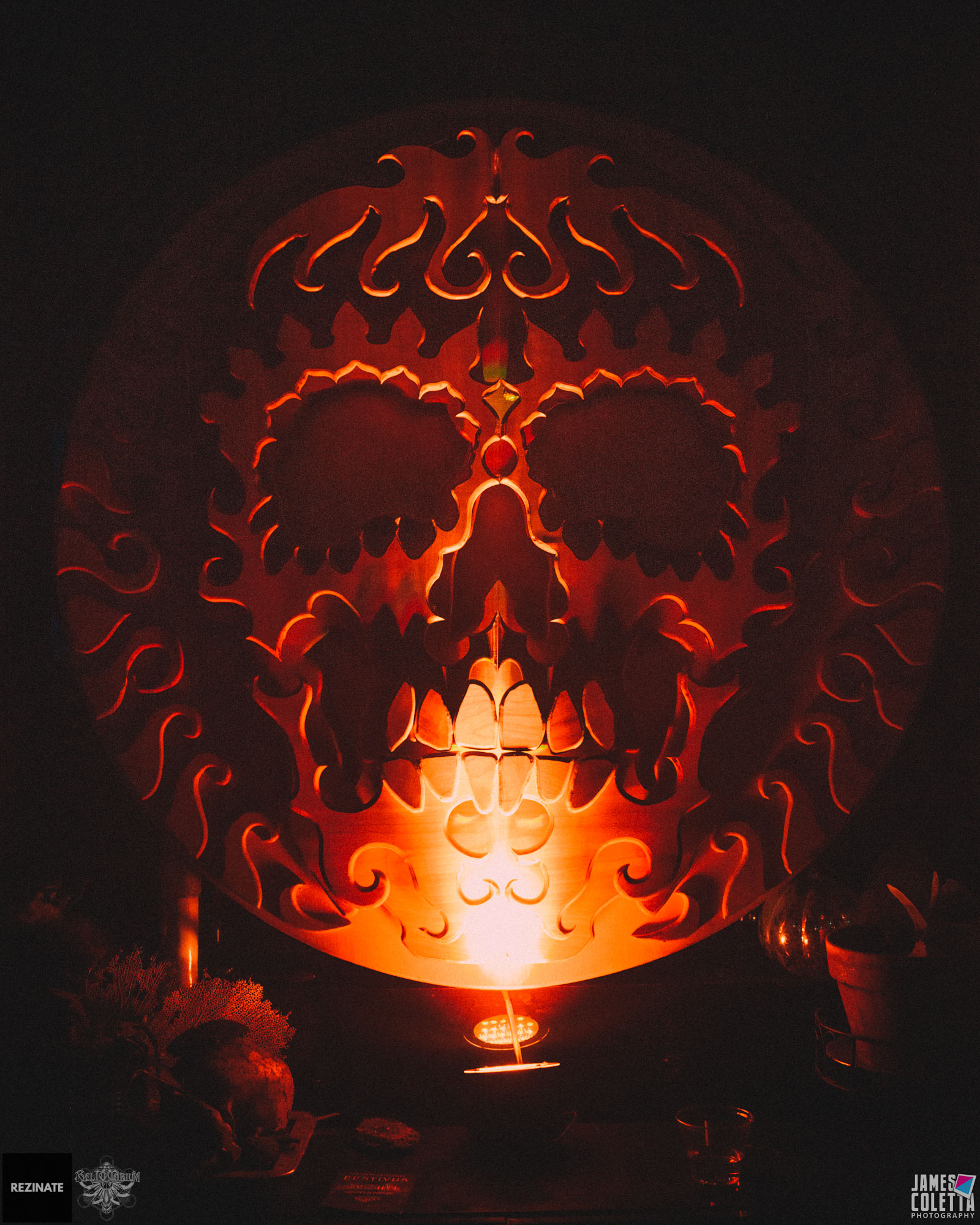
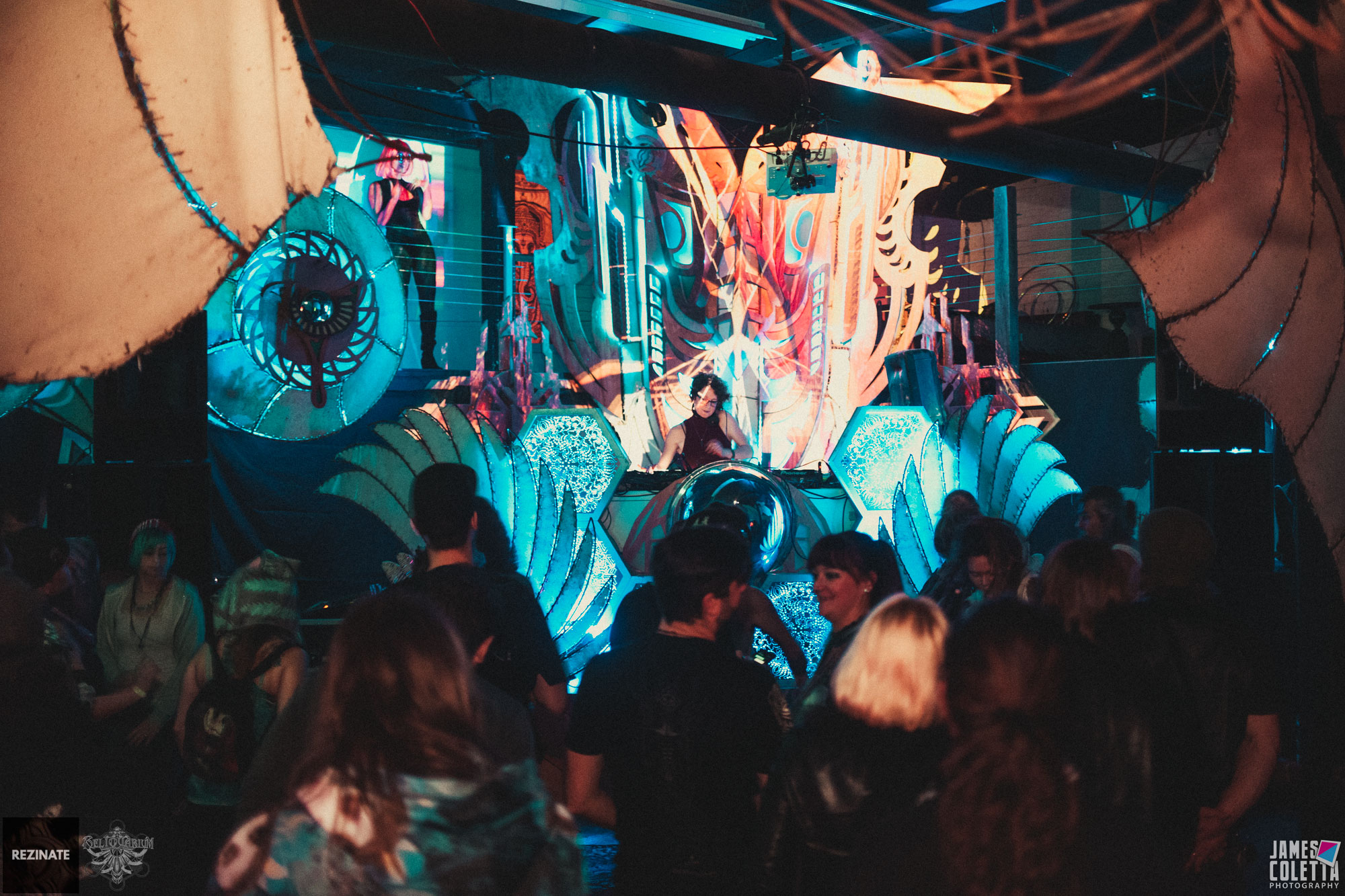
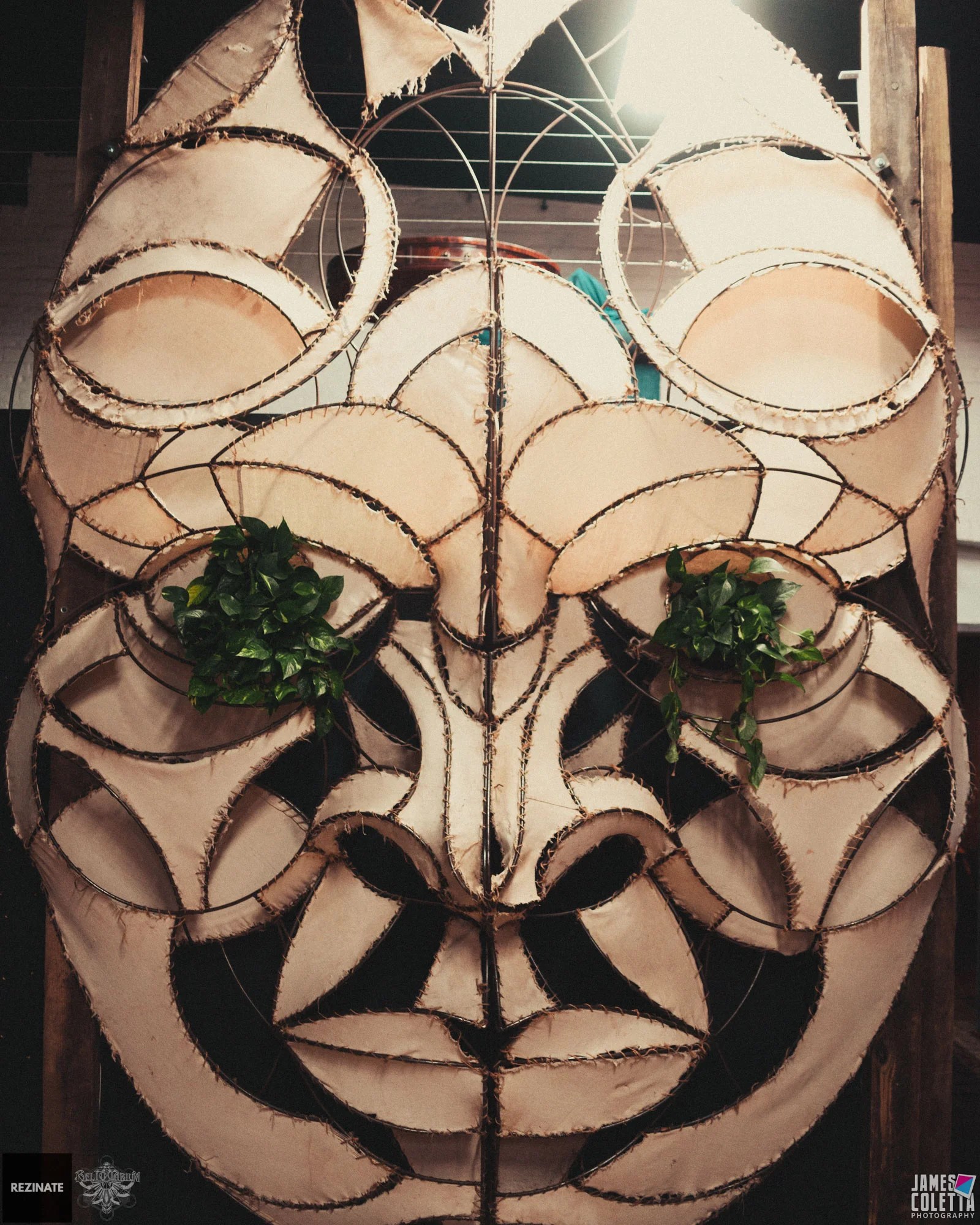
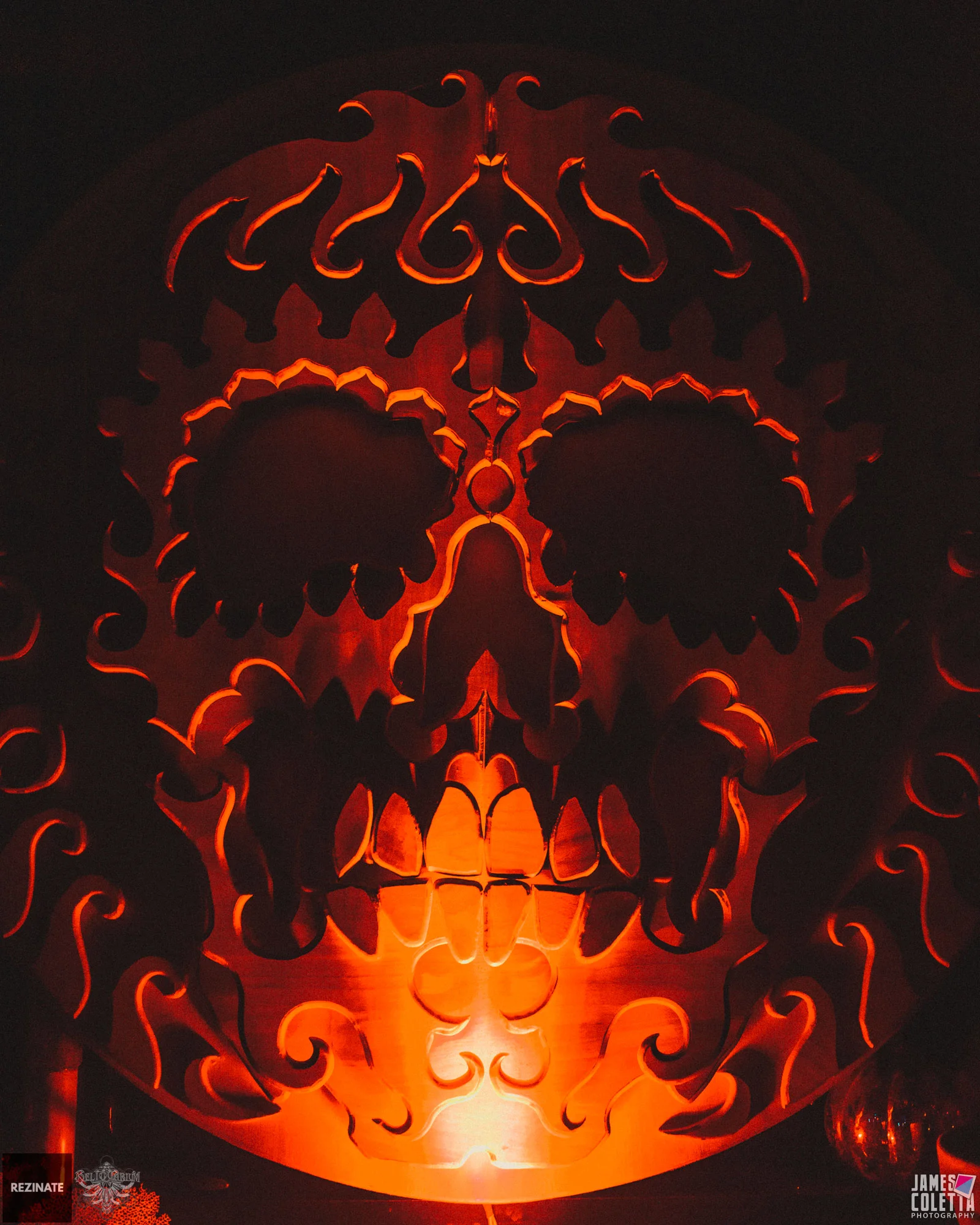
Decor at The Reliquarium’s warehouse and event space in Lincoln, RI (Credit: James Coletta)
Electronic music promoters worldwide try to cultivate a feeling of immersion. Whether it’s a claustrophobic dark room or an expansive festival field, promoters want their patrons to be able to lose themselves in the music and vibrations and forget their temporal concerns if only for a set or two. That’s why one often sees productions within existing spaces or venues that try to engage all five senses. Here lies the advantage of hosting an event with The Reliquarium at their event space and headquarters in Lincoln, Rhode Island.
A collective of artists and designers, Reliquarium is regional go-to for stage and event design, having fabricated stages for Elements Lakewood, Fractal Fest, Minus Zero, Wild Woods, and Unifier Festival. They’ve also worked on stages further afield at Burning Man, the 2017 Global Eclipse Gathering, and Envision Festival. As the locale from which all this world-class creation emanates, their event space and warehouse in Lincoln already is the immersive environment that promoters so often try to create ad hoc. Enter The Reliquarium and you’re surrounded by 360 luxurious degrees of transcendent art, design, thought, and music.
On December 1, Boston-based event production crew Rezinate partnered with The Reliquarium to host an evening of curated dubstep and drum and bass in Lincoln. The two organizations have collaborated before, with Rezinate bringing Reliquarium stage designs into the Middle East Downstairs for one show during each of their past two Fall seasons. Besides these direct collaborations, the organizations have known each other peripherally, as both are anchor points for the electronic music community in New England and the Northeast. Rezinate always carefully calculates how they bill and pair talent. This evening, though, their curation clout was approaching a new high, as each of the five DJs were also promoters and curators themselves.

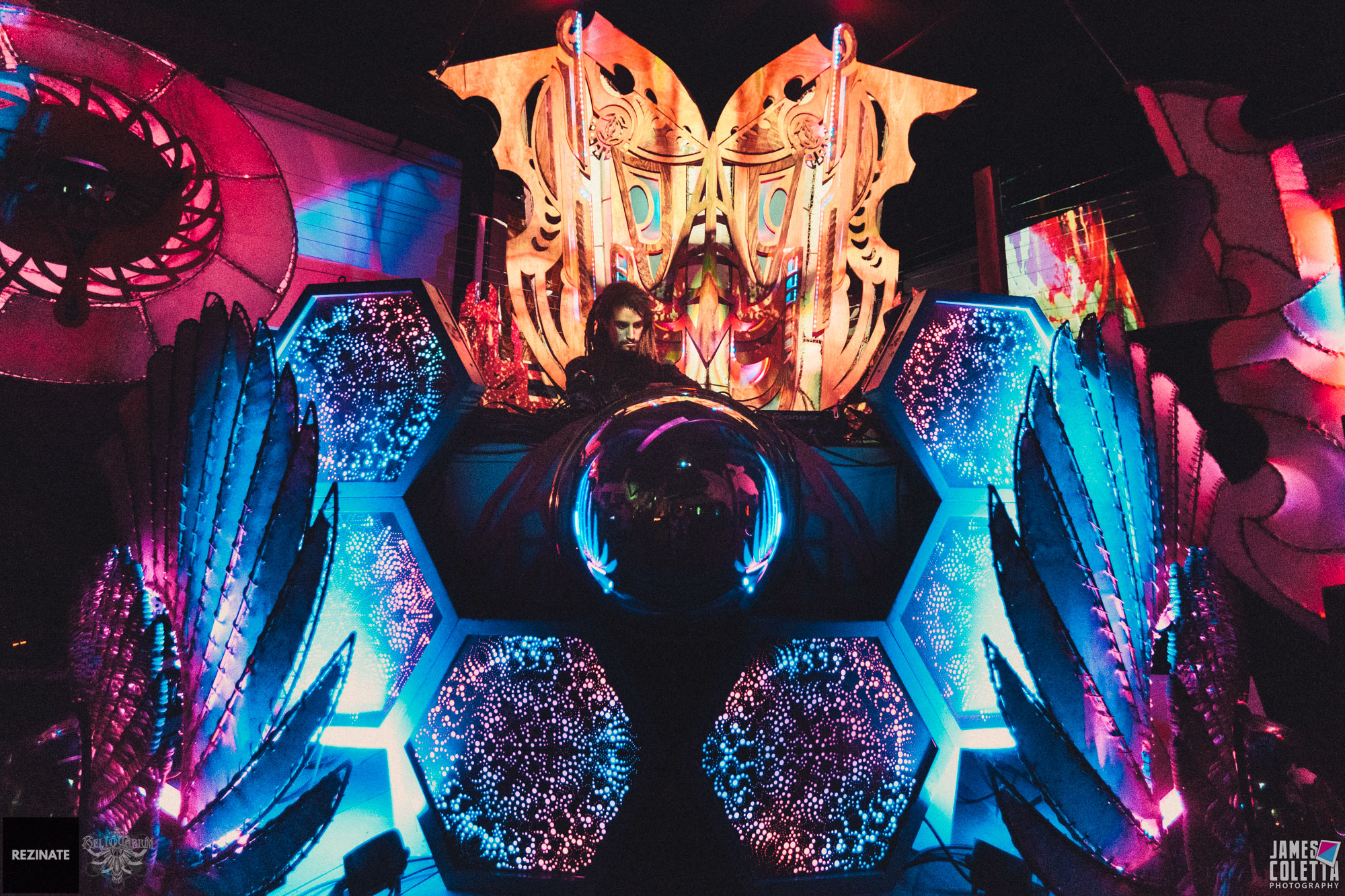





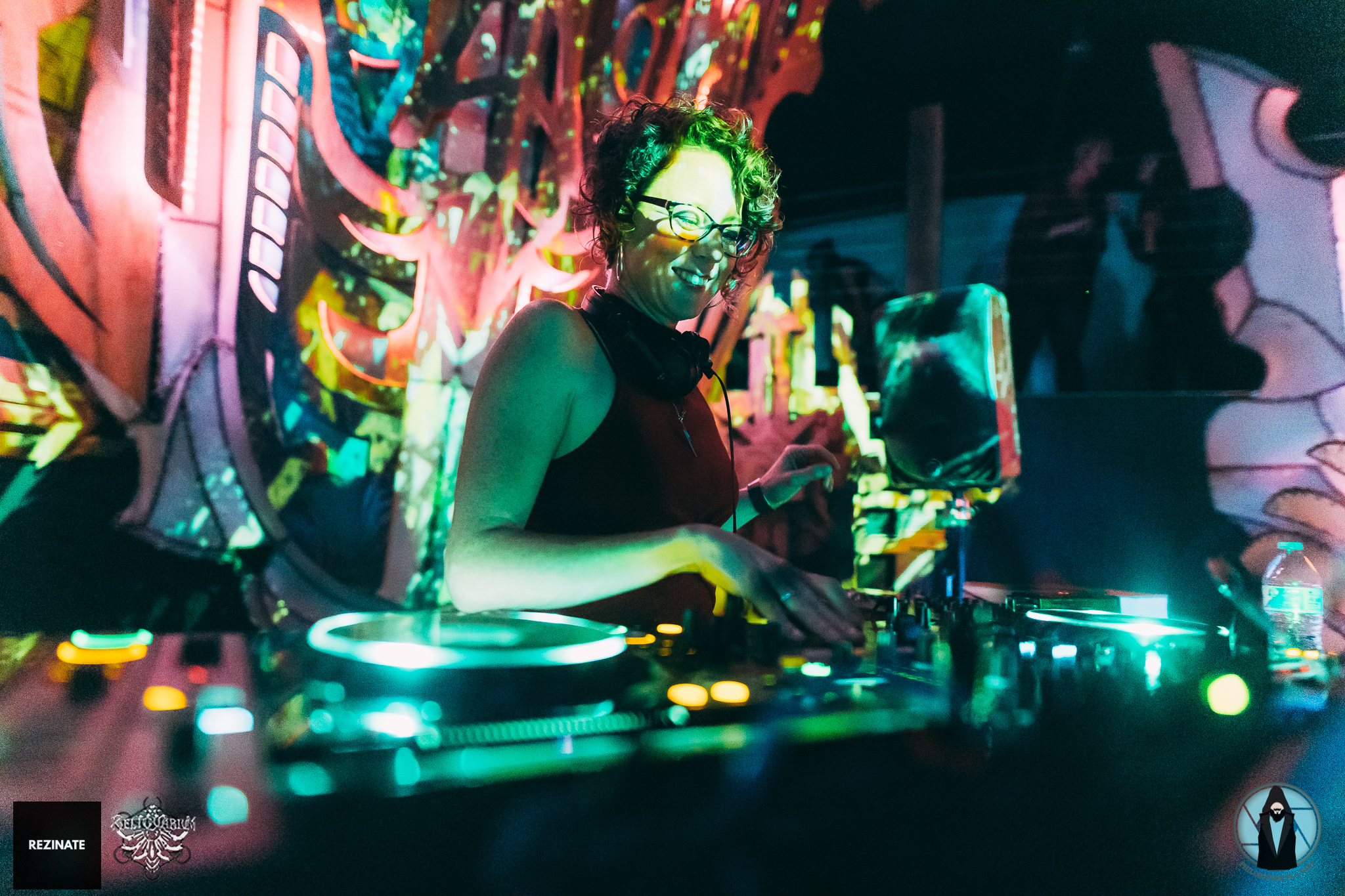







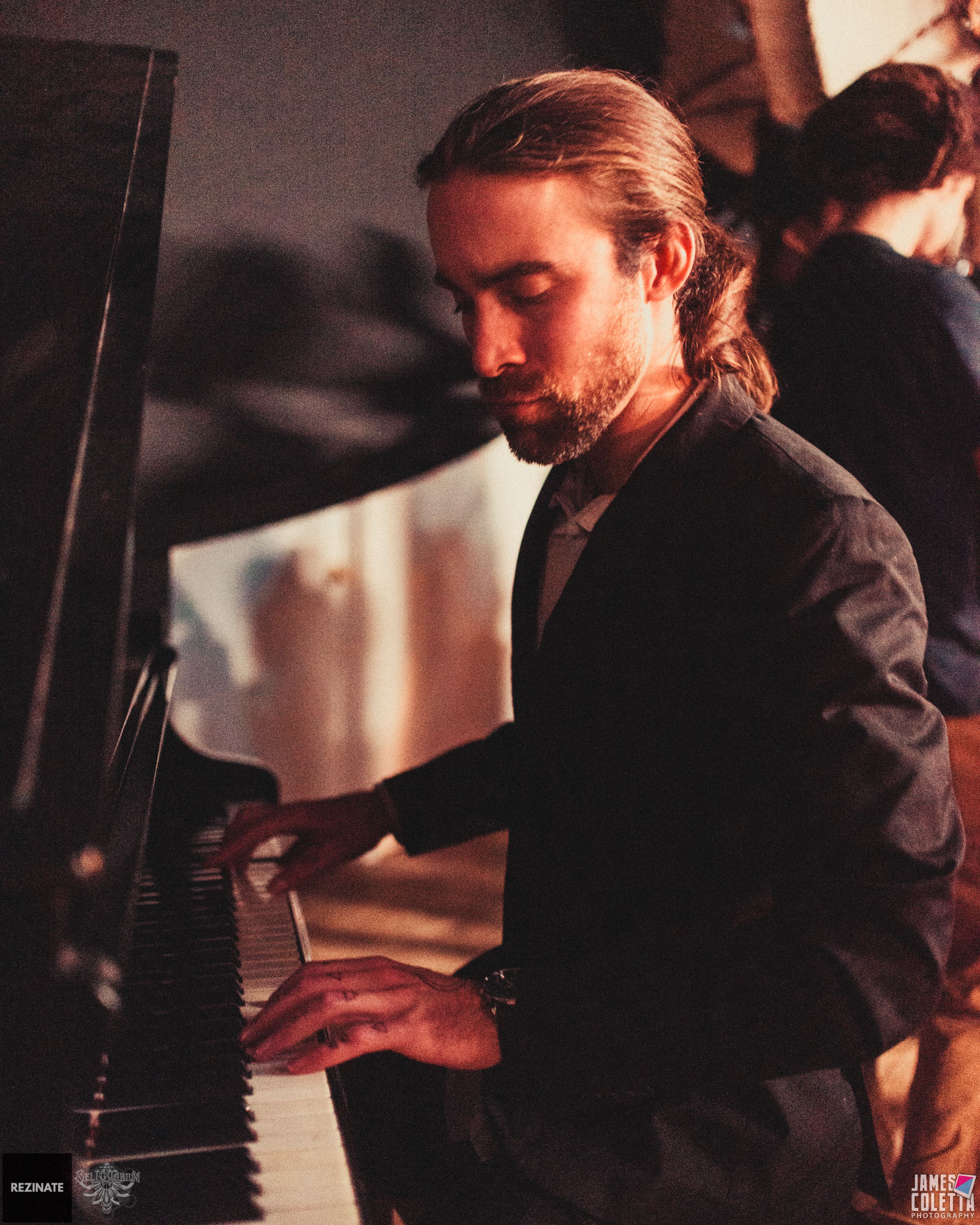



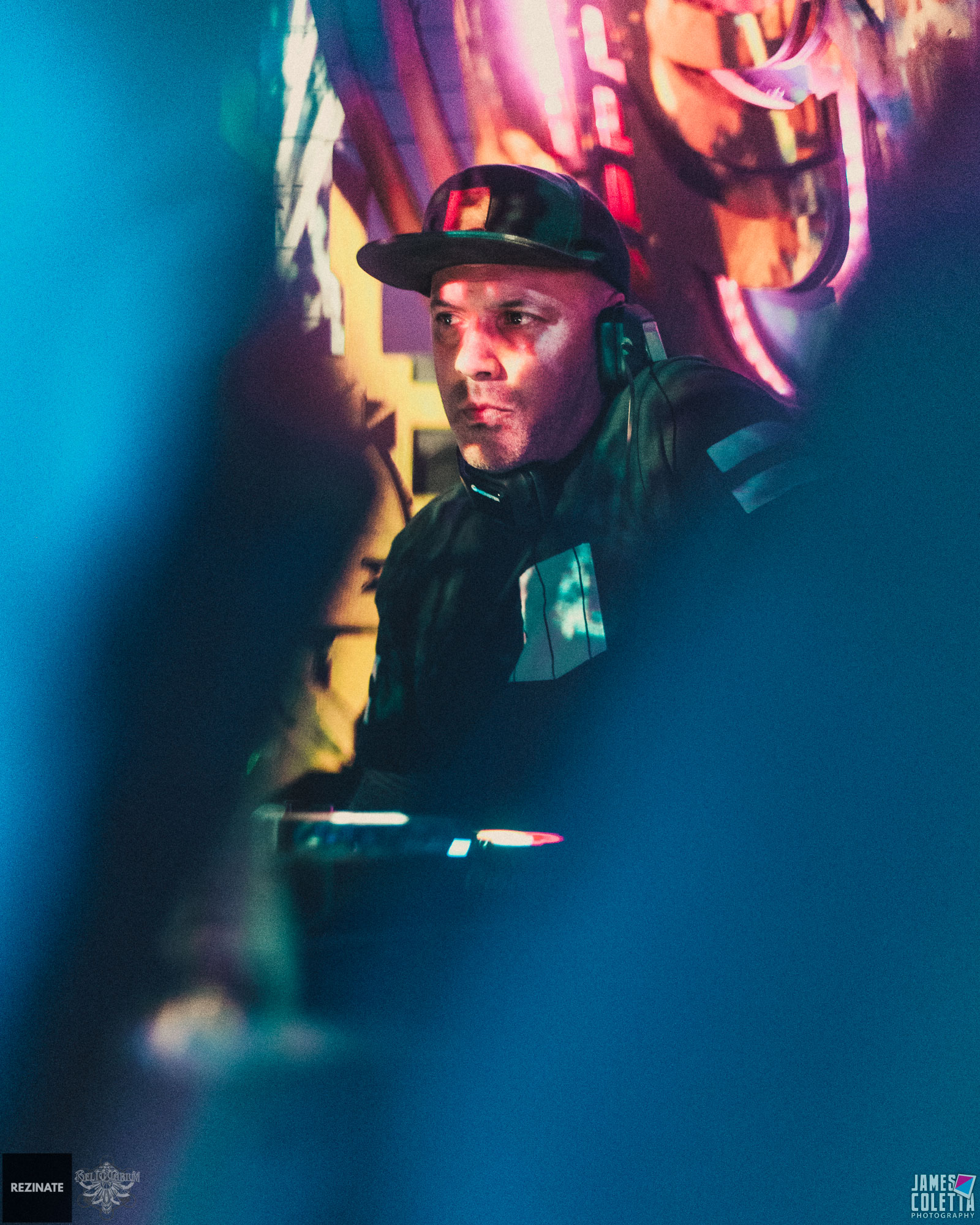




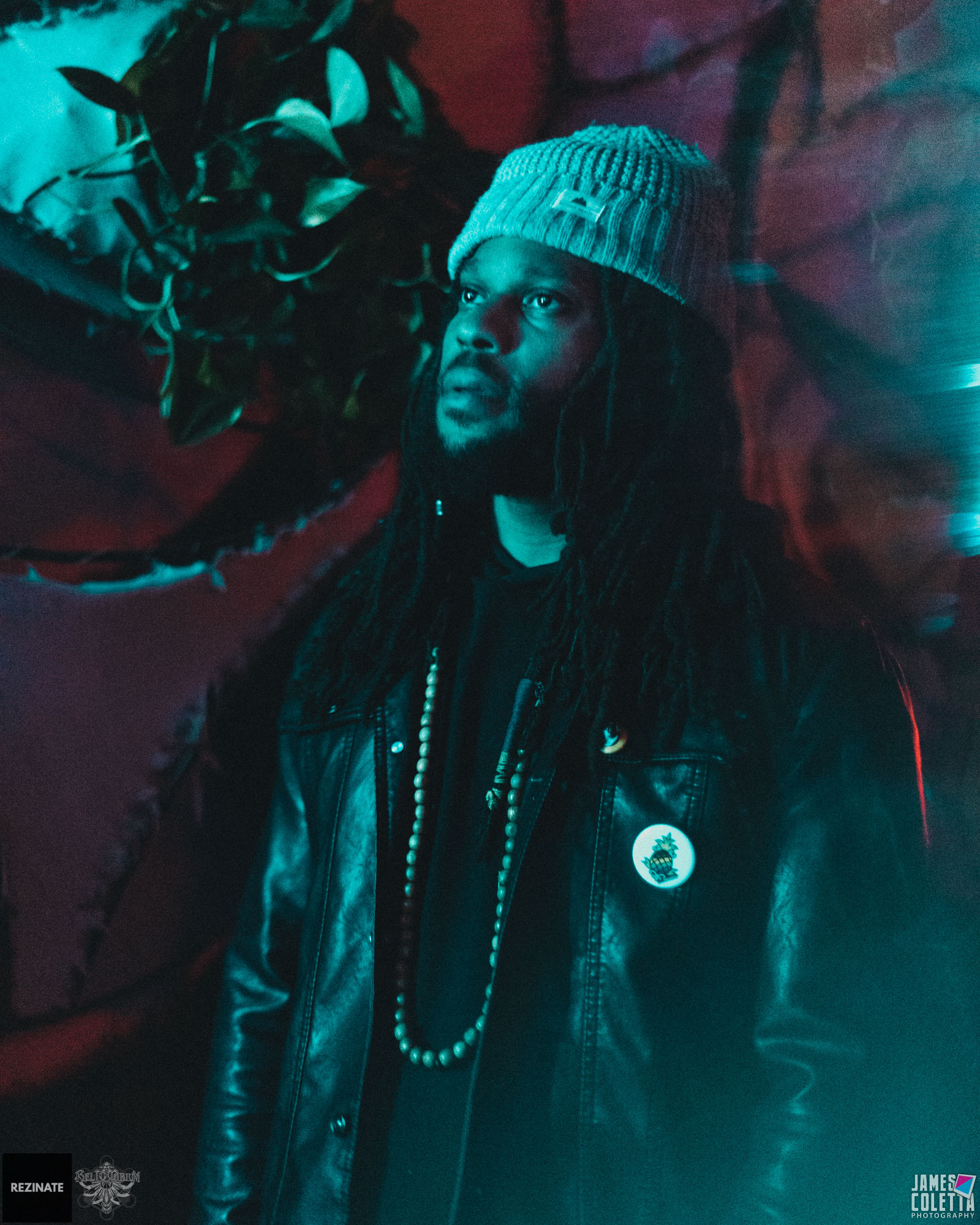





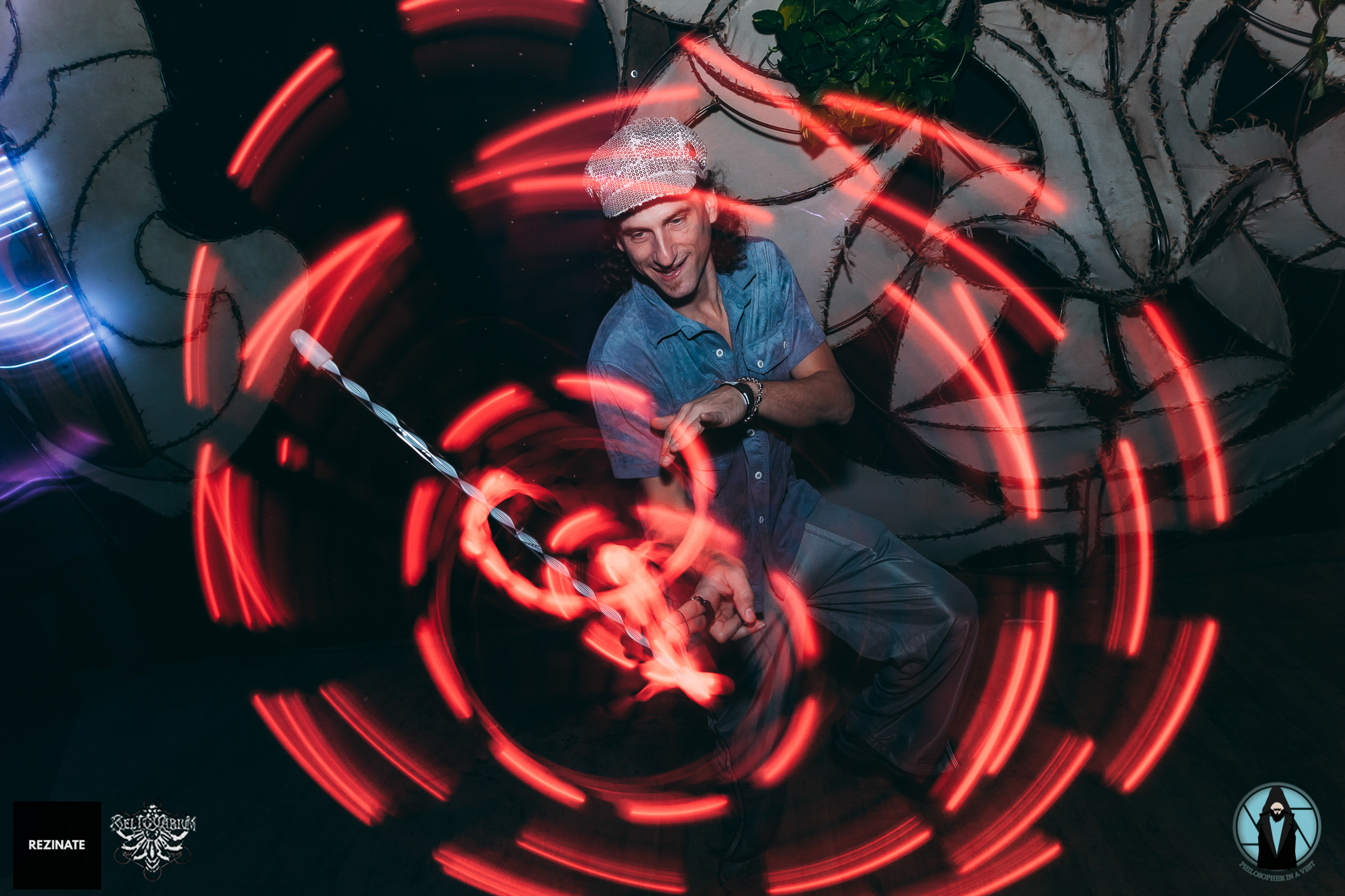



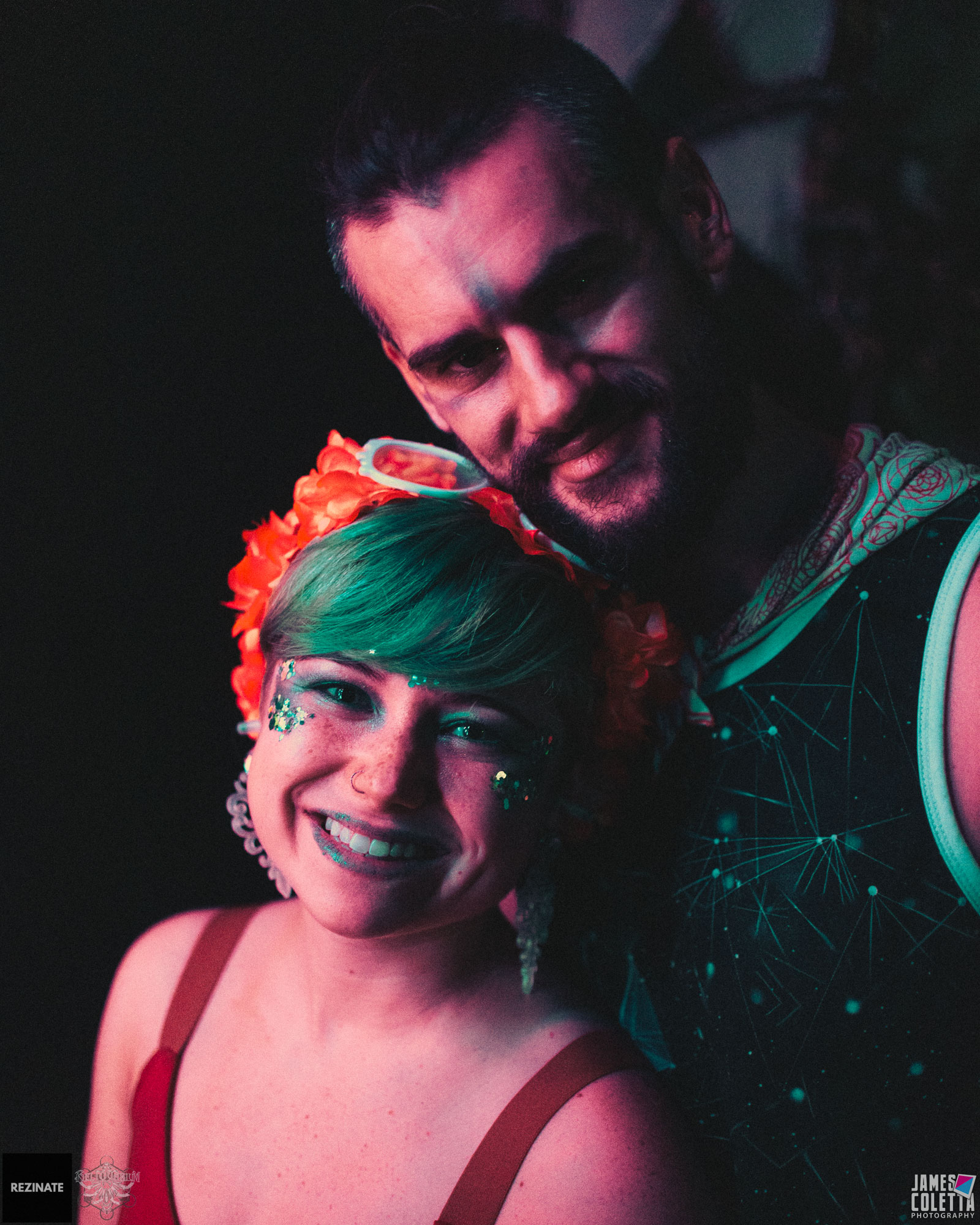


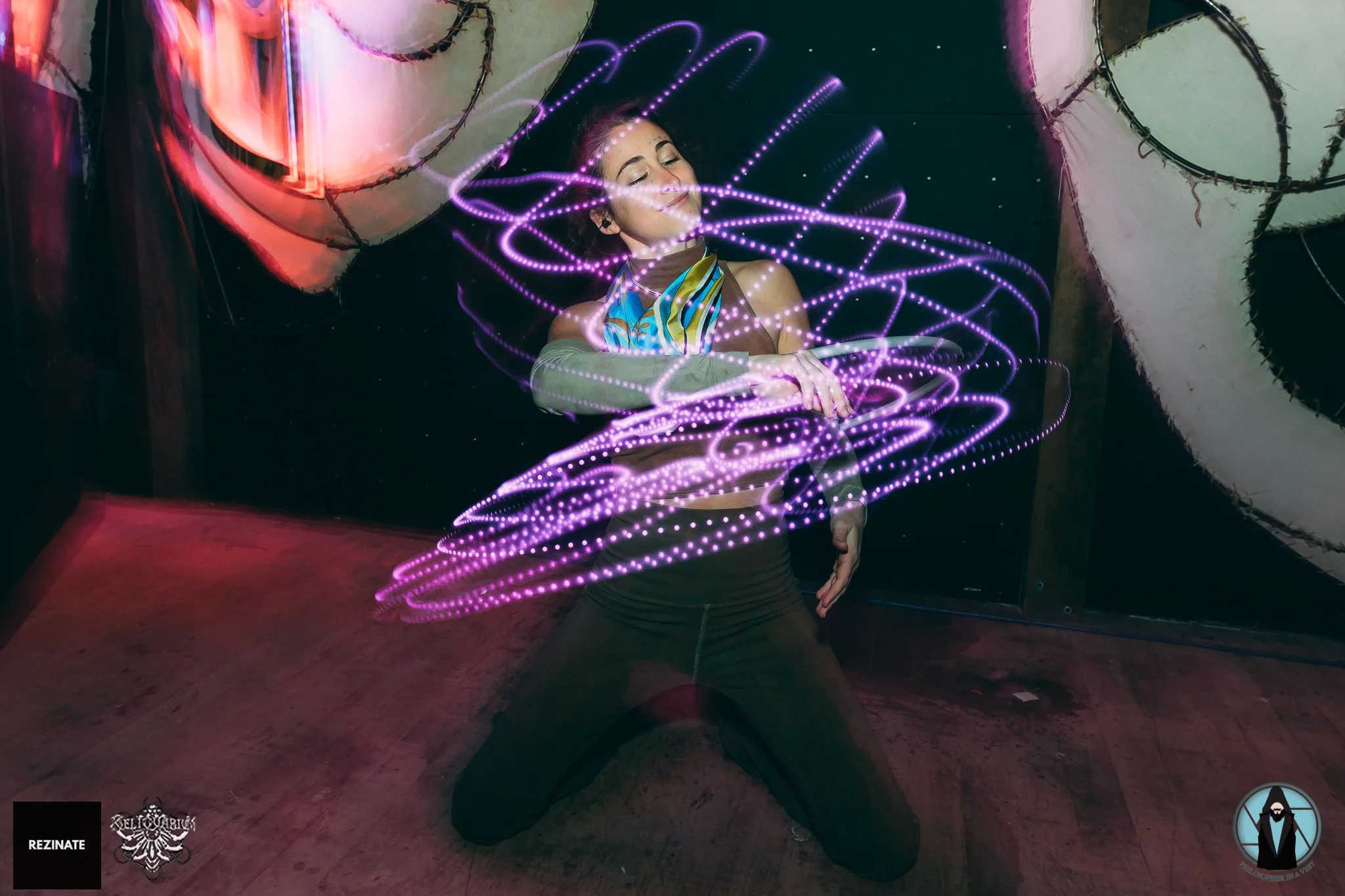


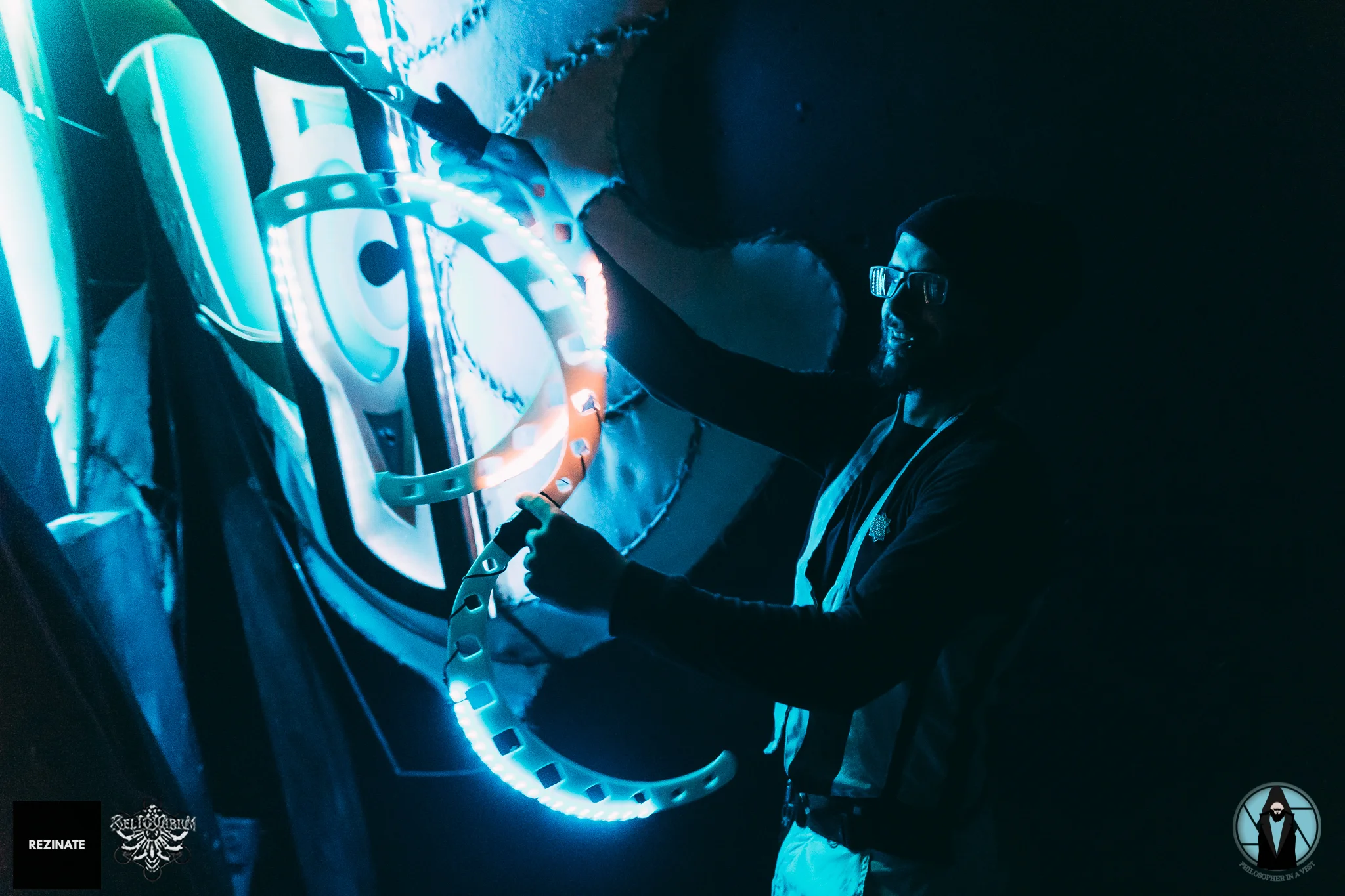






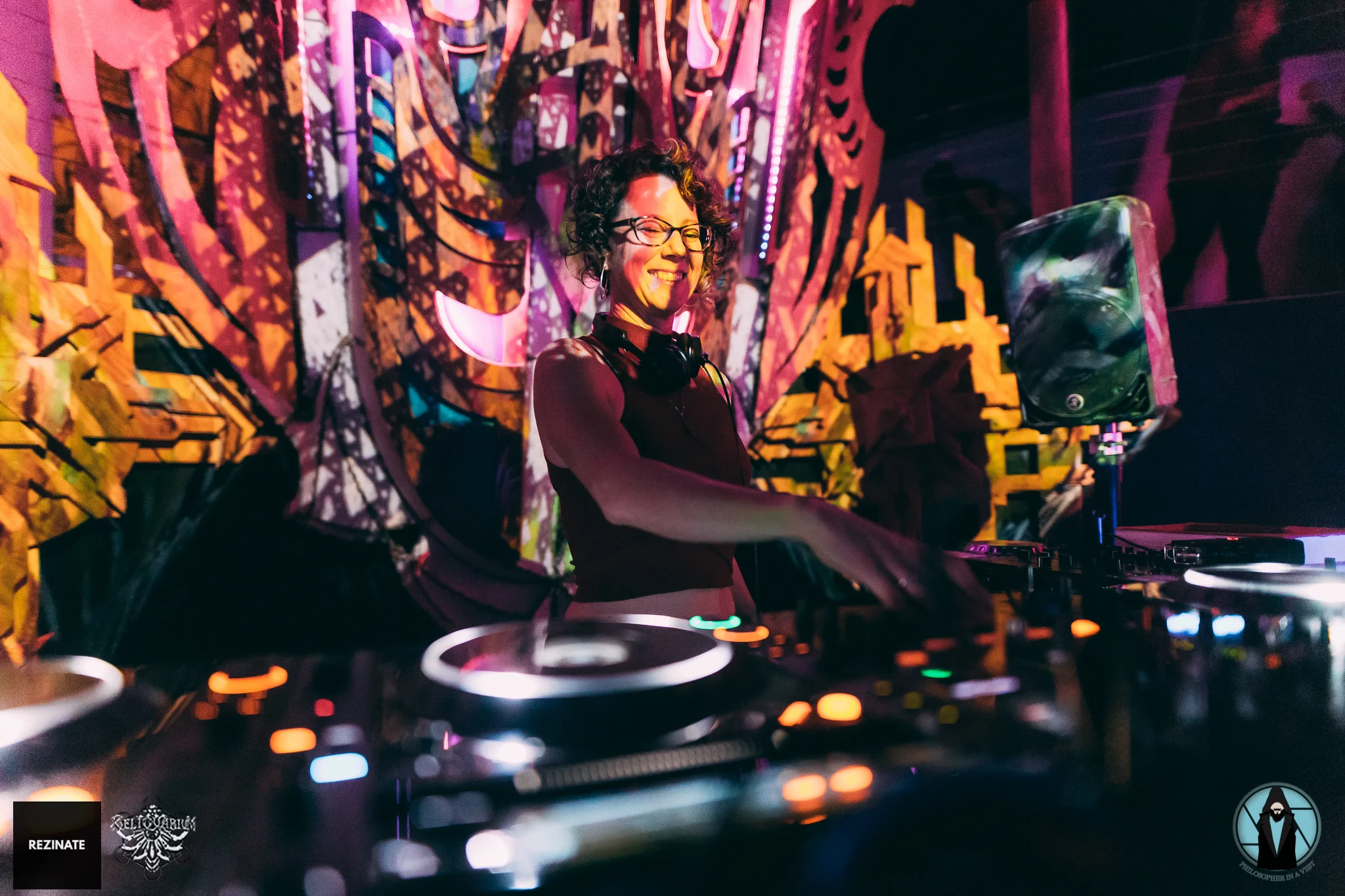

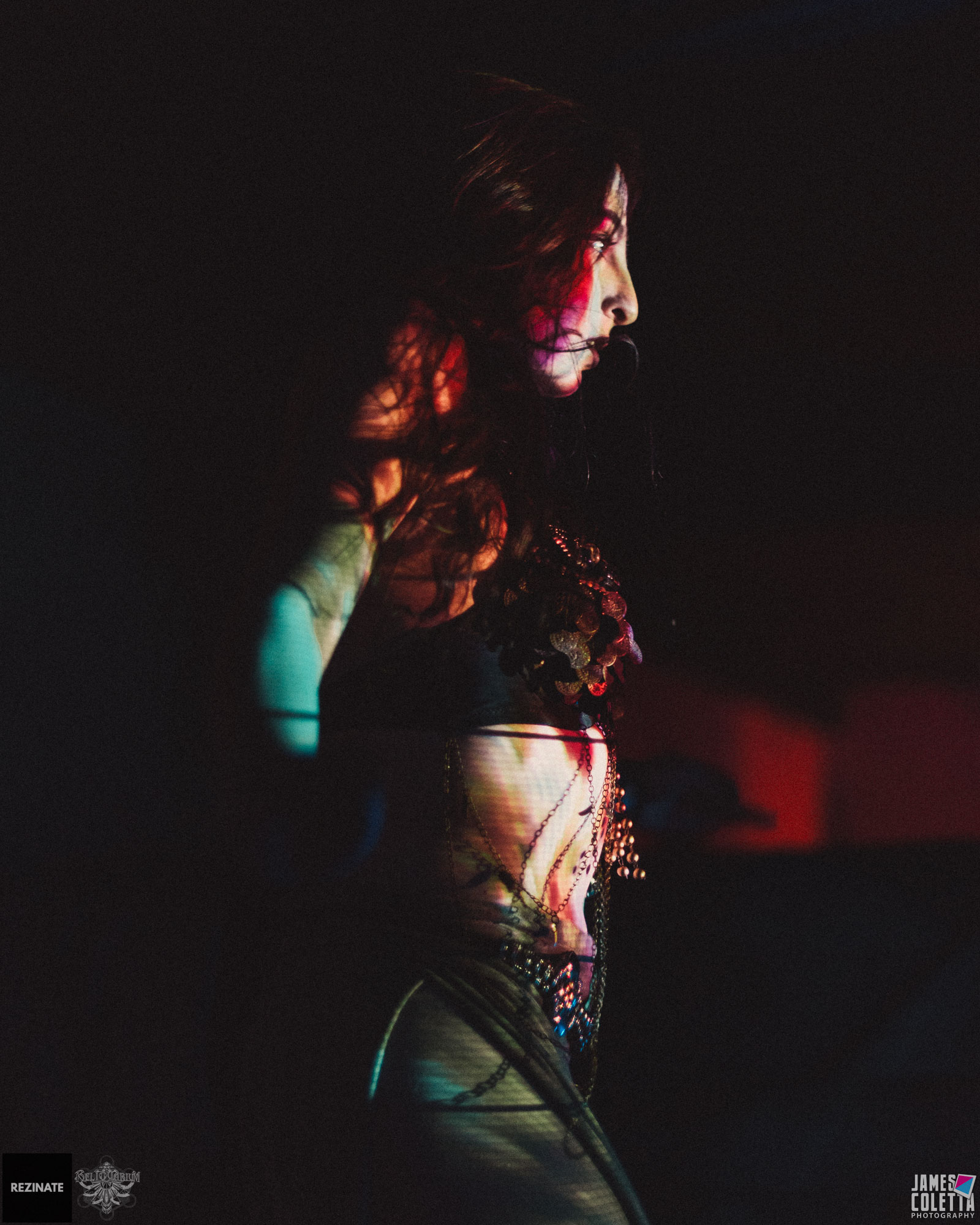

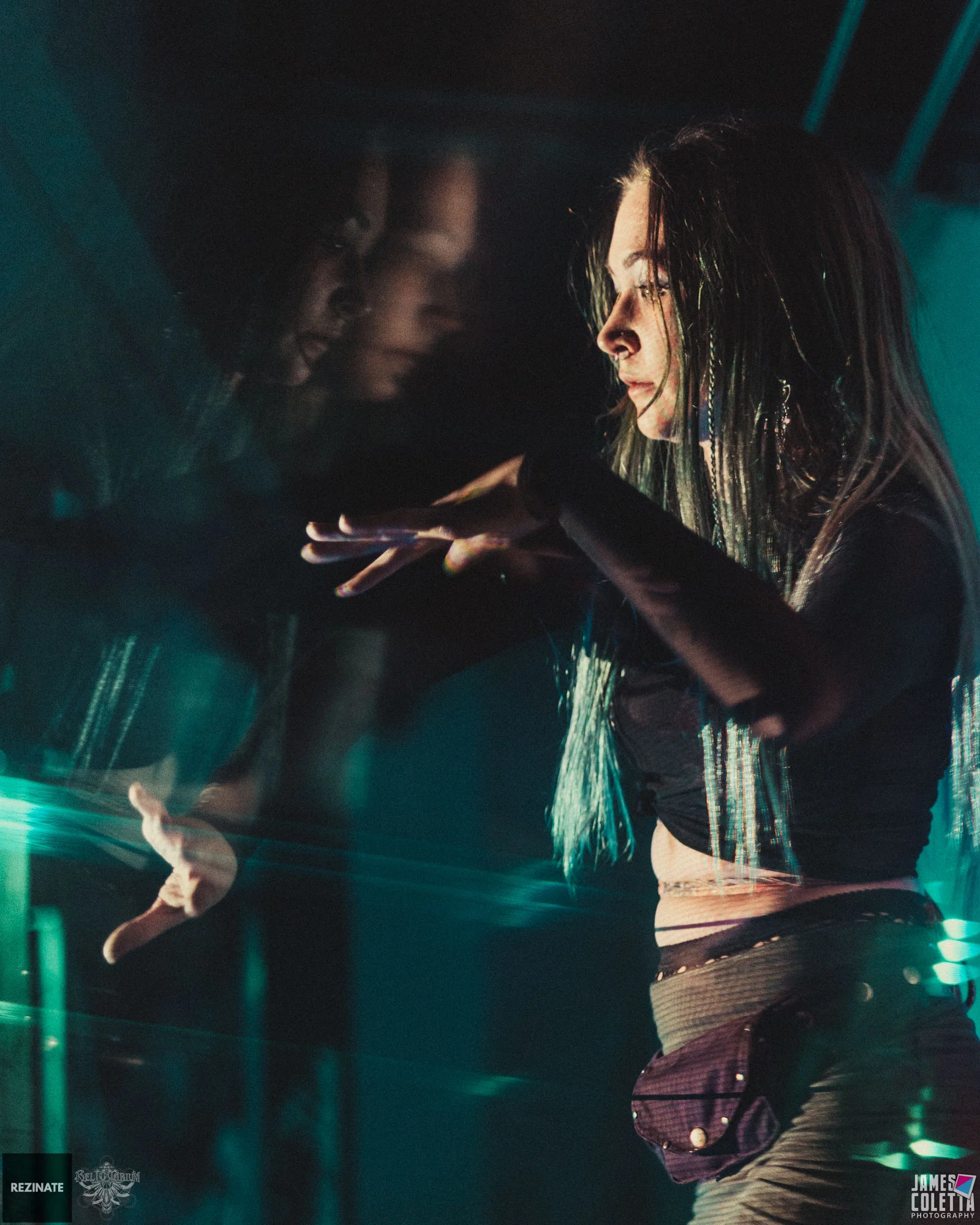





Fractaltribe member and C:\tadel founder Terraphorm warmed up the decks with a set full of mystical 140 bpm music that was both organic and industrial. He was followed by Lenore, a drum and bass legend who for 19 years has been hosting a weekly party called Elements in Boston, supposedly the longest-running drum and bass show in the world. Rezinate’s own co-founder Saltus then offered his deep, experimental fare which varied between dubstep, drum and bass, and some unique, arhythmic bass music that appeared to suspend the crowd in mid-air at certain moments.
Driving through the unassuming town of Lincoln twenty minutes outside of Providence, one’s arrival at The Reliquarium is signaled by purple and pink lights peeking out of the great glass windows of a red brick factory shining out towards the road across a pond. Upon entering the venue this night, one would have been greeted warmly by Ivy Ross, co-founder and matriarch of The Reliquarium, before moving into one of the space’s two main rooms. The entire building is elegantly adorned with hulking sculptures and designs - pieces plucked from the group’s famous event stages - and some pieces that are likely fabricated just for the event space.

The Reliquairium’s warehouse and event space in Lincoln, RI features their famous stage designs functioning in the space where it’s created (Credit: James Coletta)
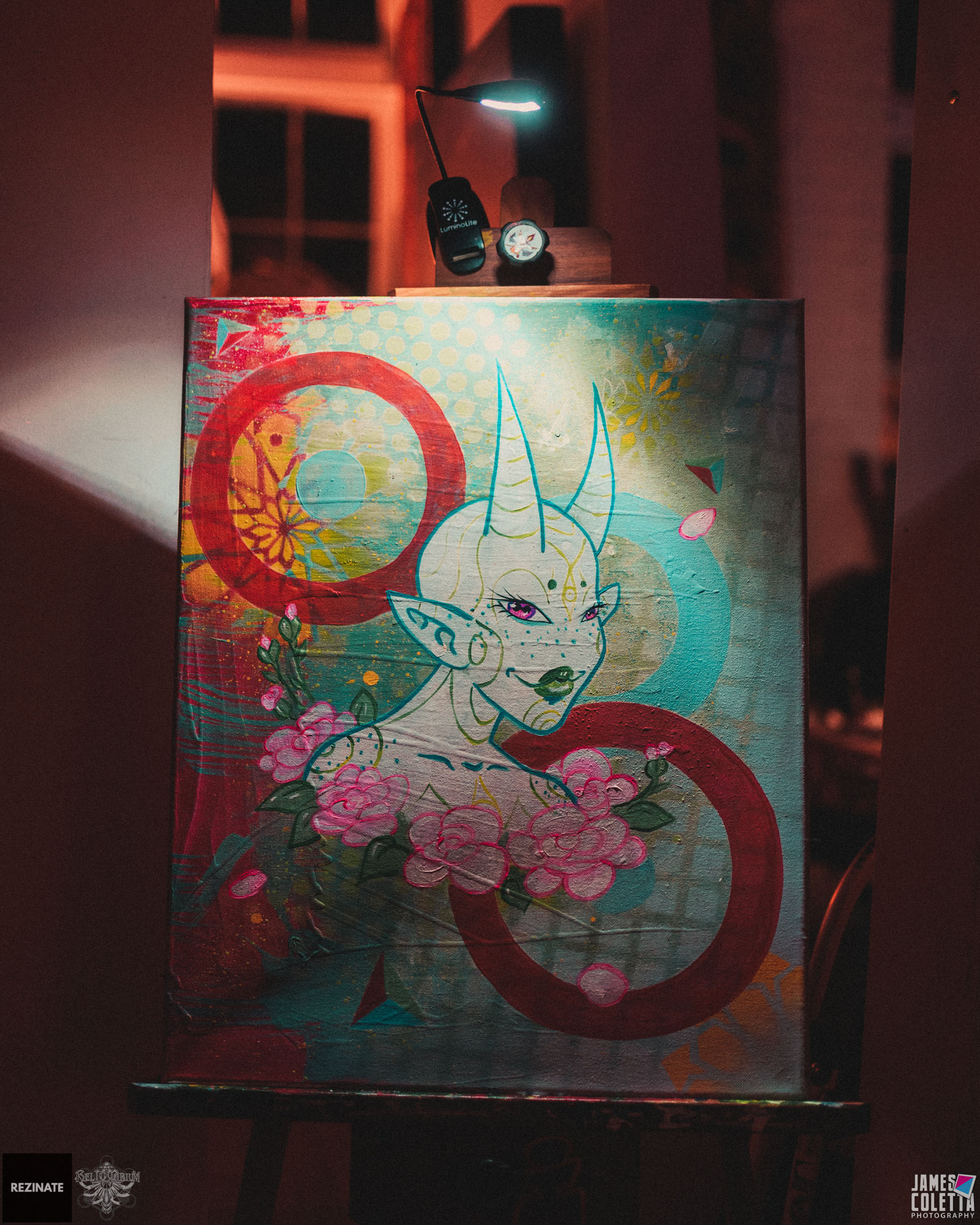
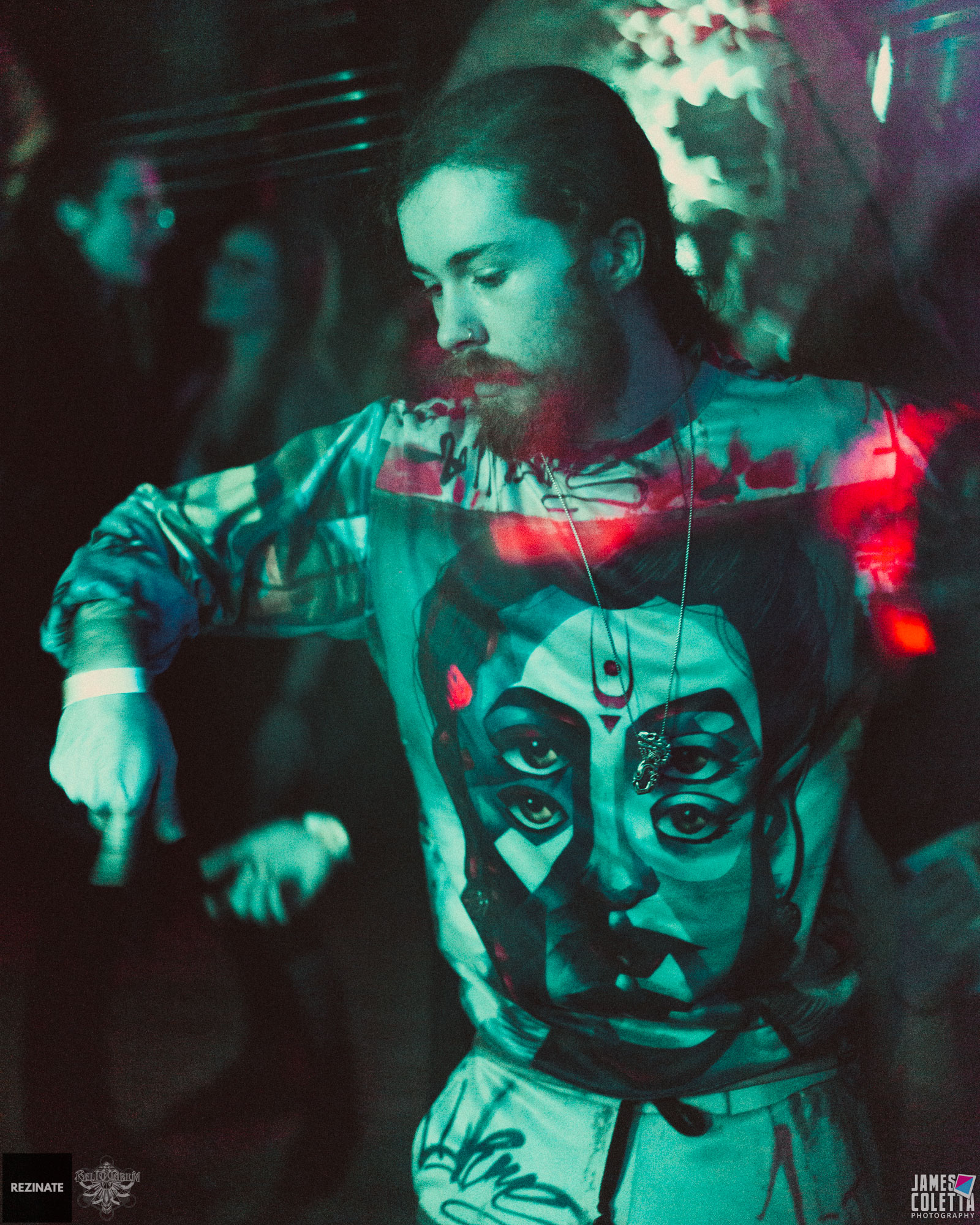
One room houses a vaulting, illuminated main stage that rivals in beauty if not in size any design that the team has taken on the road. Terraces flank the stage offering space for dancers and LED performers to spin and twirl and creating a nightclub dynamic. Beneath the terraces stood Hennessey Sound Design stacks. Their designer Sean Hennessey could be seen moving through every square foot of the room throughout the night, gauging the strength and fidelity of the sound. In one corner, a gigantic, fabricated face lords over the dance floor. In the opposite corner sits a grand piano next to a dark wooden bookshelf where tarot decks and texts on art and pharmacology share space with “Home Remedies for Dogs and Cats”, the Alcoholics Anonymous Big Book, and “Natural Healing Wisdom and Know How”. More hand-crafted and illuminated installations on the walls and ceiling change colors throughout the night, helping to create a space that is as dynamic and alive as the 200 or so people dancing within it.
The second room, formerly an artist’s apartment, houses a second gorgeous stage, although it was not utilized on this evening. Instead of a dance floor, then, there was an expansive living room environment with sinking leather armchairs and antique coffee tables, plus an elixir bar and third party vendors and painters aligned along the walls. Sound from the main stage is pumped into this second room at an audible but not overwhelming volume. The result of all this? One can enjoy the evening’s musical fare from the comfort of a couch, dazzled by live painting or an illuminated Reliquarium stage design, while catching up with friends and enjoying a homemade elixir (the “Love Potion” came highly recommended, with a shot of espresso and a dash of lavender syrup).
Headlining the night was The Librarian, co-founder of the Pacific Northwestern festival Bass Coast. She, too, offered a hodge-podge of styles mixed with effortless grace and an impressive attention to detail. Our favorite set of the evening, though, came from Naasko, a sonic journeyman and one-time curator for the Canadian label Interchill Records. He played approximately 50 minutes of slicing, intergalactic drum and bass full of masterful sound design. For the last ten minutes, he scaled down to dubstep and dropped the weightiest and most spacious bass of the evening to cap off the show.
Keep your eyes out for events hosted at The Reliquarium in 2019, for more well-curated nights from Rezinate, and for potential future “Reziquarium” collaborations. With a keen sense of self-awareness and an abiding respect for one’s hosts, Northeastern heads who enjoys psychedelic electronic music and its corresponding counter culture should make a pilgrimage to The Reliquarium’s headquarters at least once.
FOLLOW The Reliquarium: Official / Facebook / Instragram / Twitter
FOLLOW Rezinate: Facebook / Soundcloud / Instragram / Twitter / Rezinate HQ
FOLLOW the photographers: James Coletta / Philosopher in a Vest

![Seppa - Interview + Boosted [EXCLUSIVE PREMIERE]](https://images.squarespace-cdn.com/content/v1/59530136f5e2319eabb7d87f/1626113208781-BZ7C6B7E3LCECV7UD4CS/Boosted.jpg)
