
![Kalaha - Mama Ngoma [Premiere]](https://images.squarespace-cdn.com/content/v1/59530136f5e2319eabb7d87f/1540211031649-B7G6HDTRRL5G8FPKSGFC/Sk%C3%A6rmbillede+2018-10-22+kl.+08.34.13.png)
Kalaha - Mama Ngoma [Premiere]
From the first guitar lick plucked by Niclas Knudsen, one can hear the West African influence in “Mama Ngoma”, the title track off the upcoming EP from Danish band Kalaha which arrives October 29th on Rump Recordings, the imprint founded and managed by producer and Kalaha synth player Rumpistol. The premiere of “Mama Ngoma” is accompanied by far out animated music video, directed by Zven Balslev.
From the first guitar lick plucked by Niclas Knudsen, one can hear the West African influence in “Mama Ngoma”, the title track and second single off the upcoming EP from Danish band Kalaha which arrives on Rump Recordings on October 29th. This lick is followed by a simple but driving bass line. Faintly, one hears the drip and drop of a synthesizer, and a small tease of reverb. Suddenly, through a flash of color and the introduction of an absolutely infectious synth melody, the tune takes off and begins soaring through outer space. The premiere of “Mama Ngoma” is accompanied by far out animated music video, directed by Zven Balslev, animated by Mikkel Vedel, and edited by William de Waal.
Readers may recall from our past interview with him that producer Jens Christiansen aka Rumpistol plays the synthesizer and produces for Kalaha. In addition to Rumpistol and guitarist Knudsen, the group includes another electronic musician, Spejderrobot, and another jazz musician, drummer Emil de Waal, who is described as the backbone of the band. This atypical arrangement creates fertile ground for an innovative sound. Kalaha is rooted in afro beat and afro jazz and filters this style through electronic production and dance music motifs to create music that’s delightfully technical yet extremely danceable. It’s a fusion of electronic and acoustic that can hardly be heard elsewhere on today’s airwaves. Through “Mama Ngoma” this fusion finds its most straightforward expression.
The full release Mama Ngoma is a tribute to West African musical traditions, specifically the style called Highlife, which began in Ghana in the early 20th century before spreading to Nigeria, Liberia, Sierra Leone and other West African countries. The style found Ghanians playing out their culture’s traditional rhythmic structures on amplified western instruments. That four Danish musicians are weaving this magnificent sound together with their own take on jazz and electronica creates a beautiful full circle, indeed.
Keep your ears peeled on October 29th for the rest of the EP, Kalaha’s first release in almost two years. It features three original compositions in addition to “Mama Ngoma”, each as energetic and thoughtfully crafted as this title track. Diving deeper into the realms of electronica, Mama Ngoma also features remixes by MALAKAI and rising Danish musician Bwoy De Bhajan. Indeed, fans of new movement, fruitful collaboration, and the collision of musical cultures do not want to miss this release, so stay chooned and pre-order a copy of Mama Ngoma here.
Lo-Fi Sundays 049 - wowflower
Based out of Boston, Massachusetts, wowflower is a young beatmaker with an exceptional talent for melody and atmosphere. He creates vibratory fields full of colorful static backed by fuzzy, textured percussion. At 22 years old he’s released 14 albums and a pair of mixes. It’s likely that most of that is hardly touched upon in our curated playlist, which features compositions from the past 18 months or so.
Based out of Boston, Massachusetts, wowflower is a young beatmaker with an exceptional talent for melody and atmosphere. He creates vibratory fields full of colorful static backed by fuzzy, textured percussion. Wowflower works with multiple tempos, and his boom bap cuts, though rare, are spectacular. Usually, though, he’s rocking with a slow, hypnotic nod that pairs well with spacious and ambient melodic stylings.
His output is almost obscene. At 22 years old he’s released 14 albums and a pair of mixes. It’s likely that most of that is hardly touched upon in our curated playlist, which features compositions from the past 18 months or so. According to an interview he gave with Japanese blog Vinyl Mafia (“for the beatmakers”), Kyle James Torr-Brown (wowflower) first began “tinkering” on Garageband at the age of nine. His latest “EP”, Tundra Noir, with a killer title and a 30-minute run time, is masterful. The release is cleverly named because it is indeed veiled in shadow, not full darkness, but in shadow in the vein of noir aesthetics. The textures and yearning notes conjure images of a sun-stained, cold white plain. For a great example of his boom bap beats, pay attention at the 19:15 mark.
As we touched upon with last week’s feature on dwyer, there is a growing emphasis on texture in beatmaking. Wowflower displays an exceptional ability for applying texture and contour to his compositions. One can hear this right from the jump in this week’s playlist with “Sunlight Wake” off Musings Vol. 1 a boutique compilation and the first from Dead Gorgeous Records. Just listen to those drums. Wowflower told Vinyl Mafia he’d like to become a pianist or a film maker. It appears to us that he’s already splitting the difference between these two occupations by creating these absolutely moving cinematic beats.
FOLLOW wowflower: Spotify / Soundcloud / Bandcamp / Facebook
VALE - Dmitri's Table Compilation
Following up their massive Awareness Compilation, their most recent collection is a parred-down, tactile assortment of nuclear powered sound design. Enter: Dimitri’s Table. The concept of Dimitri’s Table is at once both novel and elementary; Elements combine to form compounds. Compounds have different properties from the elements they are composed of.
With a nonstop release cycle and a seemingly endless cadre of producers in their pocket, VALE has become a one-stop-shop for the darker textures and compositions of broken beat electronic music. Having tapped into the likes of Kursa, Seppa, Hurtdeer, and Whynnel over three years ago, it is a safe bet that they possess a keen understanding for the most hair-raising musings from around the world. In just the last year alone, VALE has released tracks from Smigonaut, Voljum, Wessanders, Hullabaloo, and Resonant Language, showcasing the skillsets of what are surely tomorrow’s dons of low-end production. Following up their massive Awareness compilation, their fresh compilation Dimitri’s Table is a parred-down, tactile assortment of nuclear powered sound design.
The concept of Dimitri’s Table is at once both novel and elementary; Elements combine to form compounds. Compounds have different properties from the elements they are composed of. Reflecting this ethos, every track on the compilation is a collaborative effort. In some contrast to previous VALE releases, this collection of tunes carries an atmospheric weight that is often left behind in favor of razor-sharp bass design and tonal aggression. The first track, “Zappified”, is a 4x4 doozy rendered with all manner of vowel-esque wobbles and crescendo’d bass courtesy of Carlo Frick and Abelation. KLIINE, DMR, and Walrus Tales join forces once again with their track “Eccentric“, a vivacious drum & bass adventure with a little half-time flirting around near the end of the composition. Channeling emotive flavor, Phicizist and Zain Wolf utilize specific note relationships, building and breaking tension with the use of distorted harmonics and rhythmic turnarounds in “Stages of Depression“. DFNKT and GEMO take things through a glitched-out matrix in “Wobble“, breaking apart waveforms inside of granular synthesis. Closing out the compilation, Waeys and Dayle bust out perhaps the thickest sauce of them all in “Merge“, with pulsating, resampled textures rupturing speaker cones and eardrums alike.
2018 has seen dozens of high-octane producers sling their biggest and baddest tunes to date, and for those at the top of that spectrum, VALE is a platform unlike most others. Maintaining a clear musical palette is paramount to the success of a label, and that’s the cornerstone of this compilation’s experience. After a year of non-stop releases and spotlights, one can only wonder what continues to brew deep in the VALE laboratories.
FOLLOW VALE: Soundcloud / Bandcamp / Facebook

Dust Collectors - Seasonal Sounds 5: Fall
In its curation efforts, Dust Collectors is true to its name. Their new compilation Seasonal Sounds 5 helps establish this label in the realm of the rough hewn, in-the-pocket, dusty shuffling beats. They aim at and strike this specific nerve in the beats world with a dazzling array of beatmakers big and small from among that world.
Each season has its unique, universally familiar vibrations. There’s an atmosphere within and around people, a strange phenomena of feeling that comes about when the senses of a season - its sounds, smells, temperatures and patterns of light - combine within the individual. There’s certain music that corresponds in the ear of the beholder with any atmosphere. That is to say that each season has its rhythms. And one could suggest that few rhythms synchronize so well with Autumn than the wispy, sepia-tone, melancholic movement of lo-fi beats music.

In its curation efforts Dust Collectors is true to its name. Based in Boston, Massachusetts and distributing worldwide, the label has been releasing for just over one year but their growth and development has been rapid, as the tracklist on this compilation attests to. Some labels specialize in the spacey, some in the especially trashy or avant garde. Others go for a classic sound, and more, like the leaders at Chillhop Music strive for the cleanest, most rehearsed, if you will, presentation of beats. That’s no disrespect, of course. If anything is true, it’s that everyone enjoys different vibes, and audiences vary even within niche musical communities. Although it truly has a bit of all these sounds, their new compilation Seasonal Sounds 5 helps establish the Dust Collectors in the realm of the rough hewn, in-the-pocket, dusty shuffling sound. They aim at and strike this specific nerve in the beats world.
Side B of this compilaiton is a journey. Cinematic horns open the curtain but they’re soon distorted and pitched out. Suddenly a shuffle steps into the silence. Guitar and key samples dangle over a subtle but strong head-nod made for New York City sidewalks. Then comes a cut from New Jersey’s own slr (“sailor”), who has been releasing a ton of beats again in the past few months. B3 finds Stan Forbee of Melbourne, Australia offering “whistle tune”,one of our favorites from Seasonal Sounds 5. His work with the keys, a sort of rhodes-y sound, is his calling card, and he can deftly arrange multiple melodies to great emotional effect. There’s Flitz&Suppe from Cologne, Germany, cut from a more classical cloth and emphasizing clarity and straightforward note relationships. This is followed by a joint from the Grammy-award winner Cookin’ Soul out of Spain then a spin from Danish feels master Axian.
The back end of the compilation opens sup pace for experimentation. Here one finds another stand out rhythm, this one from Bretsil & Soft Eyes. Bret aka Bretsil is one of multiple managers of the Dust Collectors. His work ethic and enthusiasm are inspiring. Before he even receives your Facebook message, the “responding” icon appears. Video chatting with Bret, he mentions that he “used to make electro music that was really bad”. He’s moved by ambient work, especially that of Brian Eno, and these experimental and electronic influences are apparent on “blues”. For a moment, it’s as if one has stepped back in time from the online world of beats into the scenic sonic codex of a Boards of Canada record. This is meditative trip hop that helps the mind bring itself to a single, still point. The beauty of Seasonal Sounds 5, though, is that just a minute later the listener gets hit with a joint from Juma, a whirlwind of brass and vaudeville bounce with a soulful melody and big boisterous bass drum. This 180-degree turn pulls the listener out of Samadhi and back to pounding the pavement.
It’s surprising and encouraging that a label with the size and relative clout of Dust Collectors can assemble so much talent on four tape sides. Pulling together the time and talents of any grouping of musicians is a worthy achievement. DC should be commended for curating music from strong names so intentionally in a musical community that can seem homogeneous if seen from afar or even at mid-range.
But once experienced from within, this community appears as a diverse, dynamic and constantly evolving deal. There are trends and movements, associations between artists, organizations and patrons that drive forward certain sounds and ideas to the short shrift of others. So much of it, of course, takes place online and at a distance. To curate a compilation, to stand at the center of that, outstretch imaginary limbs in invitation and proposal, and then reap a bountiful harvest of excellent music is, in a word, magical. It’s also a phenomena or approach that’s unique to the 21st Century so far. Or if not unique to it, the curation process can certainly manifest with more flexibility and dynamism nowadays after the explosion of digital music. It appears the Dust Collectors will continue to leverage these circumstances to create gem releases for beat heads everywhere.
The more spins this compilation gets, the more magic and beauty leap from in between its kicks and snares. Somehow each tune is a downtempo banger, the sort of song that’s placid, smooth, even wistful, yet it brings on a tangible high energy, a hope and excitement for a new season.
FOLLOW Dust Collectors: Spotify / Soundcloud / Bandcamp / Instagram / Facebook
TRACKLIST:
Side A
1. Dweeb - oolong
2. Leo The Kid - Elder Flower
3. Flughand - Fogu
4. Graves - Arc
5. Keem the Cipher - hindsight
6. Oxela - dustoiche
7. Burnt Grapes - Beat Coat
8. Kuranes - night.stroll
9. Radicule. - morning dew
10. HM Surf - rito
11. Linanthem - home
12. Nimzo - Stars
13. Memory - Time // Change
Side B
1. Loop.holes - Oh Mama
2. slr - curb
3. Stan Forebee - Whistle Tune
4. Goosetaf - Smokin Chimneys
5. Yimello - waves
6. Flitz&Suppe - nothing to do
7. Cookin Soul - That Flame
8. Axian - Drive
9. Cheeki - doze
10. Leaf Beach - White Sage
11. Soho - Carolina
Side C
1. G Mills x Aimless - Bubble
2. DeeB - And...Retain
3. kckflp - raw
4. stxn.x - castor & poluxxx
5. Made in M - Frape
6. Fushou - Plummet
7. Knowmadic - sometimes it matters
8. Druid - darker nights
9. Misc.Inc - Agena
10. tkdwn. - one step
11. ideism - orbit
Side D
1. Smuv - Indigo
2. moffen - without a care
3. b0nds - full moons
4. smeyeul. x speechless - dust
5. bretsil x softeyez - blues
6. Ka$tro - The Moon Rises
7. Juma - Ms. Paynt
8. Sleepdealer - Polaroid
9. Elaquent - Go Figure
DeeZnauts - Disruptor
DeeZ and Smigonaut are two Boston-dwelling bass mages practiced largely in the crafts of halftime and glitch hop. The two have alchemized their labor into a single project and Street Ritual now blesses the world with Disruptor, the first release from the hilariously-named DeeZNauts. This EP - the 150th release from Street Ritual - is fittingly a testament to the evolving sounds of the next generation of electronic enthusiasts.
DeeZ and Smigonaut are two Boston-dwelling bass mages practiced largely in the crafts of halftime and glitch hop. In the past, the convergence of their sound waves on tracks like “Moonlit Excursions” and “Lost at Sea” has been revelatory. It’s also hinted at the potential for crossover between the two producers while boosting each individual’s signal into the other’s territory. Now, the inevitable has happened. The two have alchemized their labor into a single project and Street Ritual now blesses the world with Disruptor, the first release from the hilariously-named DeeZNauts. This EP - the 150th release from Street Ritual - is fittingly a testament to the evolving sounds of the next generation of electronic enthusiasts.
The title track plays largely to the Smigonaut sound, emphasizing a glitch hop rhythm and swagger, and plunking out a midi melody cobbled from snare rims. The fuzzy distortion on the midbass shines bright as a firm halftime presence. They create a funky time signature and squeeze these sounds into unpredictable shapes, pitches, and patterns. By contrast, the crowded cacophony in “Scale the Perimeter”, while frenetic, is a short-lived two minutes and 20 seconds of tightly-wound go-hard with no wonky side-trips. The track has a distinct DeeZ halftime feel, introducing heavier flow through furious drum breaks. Smigonaut’s influence is felt in the occasional Mario-sounding chiptune throwback.
The truly majestic fusion that illustrates the potential of DeeZNauts appears on lead-off single “Escape Pod”. The contemplative synth wanders through a dark and spacey halftime dub with a quickly shuffling snare pattern, while textural elements are brought to the fore. After ambience is built with wood percussion and echo chambers, the final third drops into a growling space engine that shifts gears and blasts the listener into a different headspace. This track, the most balanced of the bunch, tells its story well. “Observatory”, a collaboration with Hullabalo0, is the wildcard of Disruptor. It presents a smattering of lounging solos in keys and guitar, while a smoky crowd speaks leisurely over a reverb-dipped sax. The rhythm is almost an afterthought, a structure to prop up the smooth jazz experiment with sweet melodies to swim through while soft fuzz'n'pop moments resonate with a vinyl nostalgia.
With Disruptor, DeeZNauts establishes itself as a new force of bass magic, a stunning challenge to co-create your art with neighboring aesthetics, and a testament to the influence the pair of producers have on one another. This EP is a brilliantly curated listen that emphasizes every element of the combination in turn, speaking its story in a scant four tracks but wasting no time. Armed with a diverse spell book of new music and a name sure to elicit laughs when read off a lineup, DeeZ and Smigonaut declare here their continued commitment to the craft and culture.
FOLLOW DeeZNauts: Soundcloud / Facebook
FOLLOW DeeZ: Bandcamp / Soundcloud / Facebook / Instagram
FOLLOW Smigonaut: Soundcloud / Facebook / Twitter / Instagram

Lo-Fi Sundays 048 - Tenki
Warming bones straight out of the deep Canadian tundra, Tenki is a sample-carving wiz with a slapstick approach to controllerism. Flipped, reversed, pitch-shifted samples, and even palindrome phrasing sprout heavily dot the arrangement of each song. His choice of call-and-response between sampled phrases is the fuel that powers the evolution of his catalog.
Warming bones straight out of the deep Canadian tundra, Tenki is a sample-carving wiz with a slapstick approach to controllerism. The permeation of slices, cuts, and effects throughout the arrangement and rhythm of his tracks denotes a producer who is comfortable with the idea of using his controller not just as an extension of production, but as an instrument in its own right. The results can vary depending on how tactile the user is, but Tenki has his personal rhythm clearly in the pocket.
Atop the well-executed rhythmic phrasing and theatrics, his melodious cuts and compositions are integral to the evolution of his tracks. Flipped, reversed, pitch-shifted samples, and even palindrome phrasing sprout heavily dot the arrangement of each song. His choice of call-and-response between sampled phrases is the fuel that powers the evolution of his catalog. With 72 tracks and counting serving as evidence of sheer stamina, it is apparent that Tenki is poised to continue diving into a cornucopia of musical sources, and swimming back to the surface with a bounty of off-kilter material.
Follow Tenki: Soundcloud / Spotify
Lo-Fi Sundays 047 - Dwyer
Dwyer possesses versatility that is hard to come by. While all of his work is steeped heavily in hip-hop, you can hear influences being drawn from garage, trip-hop, breakbeat, folk and a wide range of old world styles.
Dwyer possesses versatility that is hard to come by. While all of his work is steeped heavily in hip-hop, you can hear influences being drawn from garage, trip-hop, breakbeat, folk and a wide range of old world styles. Half of his catalogue is comprised of dusty crackling soundscapes, while the other half encompasses chiller boom-bap tracks, including some tasteful remixes of older hip-hop songs. His use of samples provides layers of character & imagery, all while giving his productions a quality of antiquity that is unparalleled.
Dwyer stays under the radar, and has been busy releasing “dwy-fi” independently on his Bandcamp for the past three years from his home in the United Kingdom. Recently, his tracks have been featured on compilations for TreeHôuse and SVNSET WAVES, and he contributed an absolute thrill ride of mix for Radio Juicy. In addition to producing, he also creates sleek mixed media collages that are used as album art for releases of his own music and others. In April 2018, he released a sample pack entitled “Textural Lo-Fi Hip-Hop” filled with organic samples in the same lane as his own releases. He seemingly makes a conscious effort to expand outward while moving in fast-forward.
His tunes are crisp and unique, and possess style and an innate ability to make your mind wander. “Depths” is a rare collaboration with Borealism that puts you in a time & place that’s hard to put your finger on, and plays like a soundtrack for a voyage. “Boulevard” begins with a pulsing a breakbeat fit for a South London club scene, and drops right into soft percussion layered with jazzy piano & saxophone more suited for a garden party. “Aventador” is a flawless mix of new hip-hop with obscure late ‘70s pop that hits in all the right places. “Money” & “Ey ma” are honorable nods to Ol’ Dirty Bastard and Camron that offer a remarkable twist on tracks that provide palpable nostalgia. You don’t have to dig far to find a track that truly speaks to your tastes.
FOLLOW Dwyer: Bandcamp / Soundcloud / Spotify / Facebook / Instagram

VALE Singles: Voljum & Devisored
The deep underground label VALE adds to their ongoing stream of far-out, bass-heavy singles today with two raw tunes from two relatively unknown and international producers, Voljum and Devisored. The label is gaining recognition for its curation of dark, high-brow experimental bass music. This go-round, they may have outdone themselves.
The deep underground label VALE adds to their ongoing stream of far-out, bass-heavy singles today with two raw tunes from two relatively unknown and international producers, voljum and Devisored. The label is gaining recognition for its curation of dark, high-brow experimental bass music. This go-round, they may have outdone themselves.
“monotony” from voljum is just reckless. The complexity here leaves one at a loss for words. It’s like a gauntlet of pro-level snips from the sound design spectrum, from fuzzy to smooth, colorful to sharp, metallic, aqueous and unheard. The crystal clear string bass and flute arrangement in the bridge creates a catchy melody, feigning accessibility. The arrangement - intro, drop, bridge, drop (reprise) - is standard, but the content is absolutely bonkers. “monotony” (the irony of the title reveals itself after a few listens) is clearly composed with the power and precision of a well-schooled musician and the abandon of a mad scientist.
Sparked primarily by the “ghost production” credentials listed on the voljum’s SoundCloud, ongoing discussions have speculated on the producer’s true identity. He offers a comprehensive intake form for ghost production requests, where customers can submit a track in styles ranging from Complextro, Future Garage, and Moombhacore to the usual Dubstep, Drumstep, etc. Customers can obtain the music in any format from an .mp3 to an Ableton 10 project file ( for an additional 95 euros). There may be something to this speculation. Or, voljum could simply be the 18-year-old classical pianist composing electronic music in his spare time, as his SoundCloud suggests. Is voljum the Lebron James of neuro? Either way, obviously stay chooned.
For all this, the second producer on the docket, Devisored (pronounced 'Dev-eye-zerD'), may be even more enigmatic. Hailing from India and with far fewer followers than voljum, Devisored has just two tracks available to the public. “Vulcan”, his third, runs for almost five and a half minutes. Although it’s climactic and possesses some extreme and challenging sound design, it’s more drawn out and emotionally dynamic than the cut from voljum, with development and separate movements. In this way it’s both a counterbalance and a perfect match with “monotony”.
Here’s a tip of the cap to VALE for pairing singles from such unknown artists and popping them off. Here’s another to the artist that plays out “monotony” in one of his or her next sets.
FOLLOW voljum: Soundcloud / Bandcamp / Spotify
FOLLOW Devisored: Soundcloud
![Jackson Whalan & Rasp 5 - Time Dilation [Premiere]](https://images.squarespace-cdn.com/content/v1/59530136f5e2319eabb7d87f/1538751172824-KBHKAKC659AY4KKVW675/Time-Dilation.png)
Jackson Whalan & Rasp 5 - Time Dilation [Premiere]
Banding together to craft a head-splitting verbal melee, Jackson Whalan and Rasp 5 present “Time Dilation” featuring the production and musical prowess of B-Riddimz and scratches from Robbie Dude. For the headnodders, wave riders, and beat seekers, “Time Dilation” is the answer.
Banding together to craft a head-splitting verbal melee, Jackson Whalan and Rasp 5 present “Time Dilation” featuring the production and musical prowess of B-Riddimz and scratches from Robbie Dude. This firebrand quartet brings hip-hop into a bold and somewhat virgin territory. From the ground up, the track is a mixing marvel that boasts a fidelity often reserved for the instrumental side of electronic production. While Whalan and Rasp 5 are lyricists of a high calibre in their own right, combined they’re venomous. The beat behind the bars is far more than just a simple backbone. It offers high-processed bass synthesis rocking the downbeat of each measure, and salacious vinyl cuts and resampled vocal chops to slice up the back end of the tune. For the headnodders, wave riders, and beat seekers, “Time Dilation” is the answer. You can purchase the track here.
FOLLOW Jackson Whalan: Soundcloud / Spotify / Facebook
FOLLOW Rasp 5: Soundcloud / Facebook
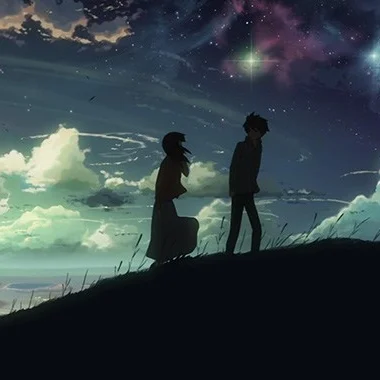
Lo-Fi Sundays 046 - ningen
Transmitting raw jazz energy from Germany to the ears of the world, ningen is stepping up the paradigm by taking lo-fi straight into his own hands. From melody to stereo-imaging, this novel producer is bucking the usual reigns of sampled music. Taking a cue from some of the finer craftsmen of break-beat music, ningen crafts his samples from scratch, performing primarily through guitar and piano.
Transmitting raw jazz energy from Germany to the ears of the world, ningen is stepping up the paradigm by taking lo-fi straight into his own hands. From melody to stereo-imaging, this novel producer is bucking the usual reigns of sampled music. Taking a cue from some of the finer craftsmen of break-beat music, ningen crafts his samples from scratch, performing primarily through guitar and piano.
While the timbre throughout most ningen music is solidly engineered to permeate the lo-fi aural aesthetic, it is his phrasing that separates him from the pack. Leaning less on things triggered askew, and far more on syncopation within each bar, his rhythm carries as opposed to juggles. It is a dynamic that creates a pseudo sing-song attitude to his harmony choices. On occasion, there’s even been a true-to-life vocalist, Voca, who lends her musings to the ningen head-bop. Combining jazz overtures and hip-hop sensibilities isn’t a recent development, but he certainly has a touch and taste for the finer points of break-beat composition.
Be sure to take your time peeping the thorough ningen catalog, as lo-fi is just one branch of his musical machinations. Featuring a few contemporaneous jazz and hip-hop instrumentals brimming with lush fidelity and balance, his personal flavor can be adapted to a number of thought-positive atmospheres. With 43 tracks and counting, we’re still digging through it all ourselves.
FOLLOW ningen: Soundcloud / Bandcamp / Instagram
![Solasta Festival - Vinja [Interview]](https://images.squarespace-cdn.com/content/v1/59530136f5e2319eabb7d87f/1558498387804-U5DE6LQEU4N6CEXPJEPQ/Vinja_Solasta+Festival+The+Rust+Music+Interview.png)
Solasta Festival - Vinja [Interview]
The venerable Vinja is a stalwart of turntablism and high-octane electronic grooves. This summer, Vinja performed in Tennessee at the upstart gathering Solasta Festival. We were able to steal Vince Santora (Vinja) from the revelry for candid conversation covering the development of his tunes, Solasta itself, and the ever-evolving music social phenomena and his place within it.
Delivering everything from neck-breakers and 4x4 shimmies to brolic breakbeats, the venerable Vinja is a stalwart of turntablism and high-octane electronic grooves. Vince Santora (Vinja) picked up the decks for the first time back in 1998. So began a journey that would lead not to widespread acclaim, but to Vince setting down the project after several years of extensive gigs throughout the US. Come the turn of the 2010s, Vinja had put skin back in the game and caught the attention of Envisioned Arts. After partnering with EA, the Vinja project was reinvigorated and pointed towards new territories and audiences.
This summer, Vinja performed in Tennessee at the upstart gathering Solasta Festival, itself co-produced by Envisioned Arts. During the course of the weekend, we were able to steal Vince from the revelry for candid conversation covering the development of his tunes, Solasta itself, and the ever-evolving music social phenomena and his place within it.

Vince Santora (Vinja) performing at Solasta Festival 2018 (Credit: Anna Norwood Photography)
“It’s fun to have the kind of perspective that I’ve gained in seeing how the scene has developed from my beginning years until now,” Vince told me, as we watched the Sound System Cultures LLC team at work from behind the stage. “The culture has always been there. For me, it began a little bit differently, as I grew up raving in San Francisco, so the parties were a little bit different. The DJing was all vinyl, and it was dominated by this warehouse vibe all over. To see how much this culture has grown, and how passionate the people within it are, it just absolutely blows my mind. I’ve always really considered myself a hobbyist. I love making music, and I love DJing, but I never expected any sort of ‘touring-travel-around-playing shows’ dynamic to evolve out of that. I’m really just riding the wave that everyone else is riding.”
He’s speaking frankly on the paradigm shift that happened within electronic music here in the states almost eight years ago, wherein a few especially wild producers began to exert great influence on the gradual direction of our slice of audio culture. “It became apparent to me at the Tipper [Denver] Fillmore show. There were just thousands of people there. Meanwhile the first time I saw him was in a community center with some twenty-odd people. And that’s just one artist. There are dozens of them that started all in the same kinds of places, who grew to have a very visible and powerful influence over the scene as it has developed.”
While he spoke of these artists as pillars of inspiration for the community at large, I felt he didn’t immediately recognize his own impact. Being a true and tried practitioner of turntablism, Vince is in part responsible for influencing a generation of DJs who seek to bring their performances beyond just contemporary mixing. “I’ve always firstly enjoyed the ‘live’ aspect of all music. I started in a band like anyone else I knew at the time, but I don’t have any reservations against someone who is just a DJ without any conventional music background. It’s not the instrument, it’s the intent.”
The way Vince delivers this remark, it almost reverberates throughout Spirit Crossing and the wider valley surrounding us, as if he was echoing some greater ethos of Solasta as a whole. “As far as why I decided to scratch in my sets, I like the vulnerability of it. I like putting myself out there and performing something live, knowing it could go terribly wrong at any moment,” he said, chuckling. “It also comes down to having a hip-hop musical upbringing. I grew up seeing Mix Master Mike cutting it up onstage. What really brought me directly here was Krafty Kuts. I was a breaks DJ, and whenever I listened in to him or watched what he was doing, it became extremely apparent that what he was doing was not only overtly technical, but took me for an absolute loop around the fact that this wasn't hip-hop: it was dance music. I realized that I wanted to step into that dynamic as well, to begin creating a much more immersive concert experience.”
Considering that he was tapped to host a workshop on vinyl scratch earlier that afternoon at Solasta, Vince has without question stepped forcefully into that dynamic. Years of intimacy with waxy vinyl has granted Vince an indelible skill that sets him several cuts above the competition. To get a better feel for Vince’s vinyl skills, check out Rusted Rhythms 23, a new mix from Sortof Vague featuring cuts and scratches from Vinja.
The conversation naturally shifted gears towards his personal catalog. For someone who got their start 20 years ago, it’s remarkable that Vince stays up on relevant sound design and genre developments. His discography is indicative of a producer and composer who has a mind as malleable as a digital synthesizer. “I’m still rocking some 87 bpm half-time stuff, but lately my body of work is moving more into the 100 bpm golden-era hip-hop region. I’ve been really digging 110 bpm, and I find it can be really inviting to kids who don’t have a lot of experience with house or techno. Overall, I feel a very bouncy, Afrika Bambaataa-esque vibe to my whole catalog. Having been so influenced by classic electro and dance floor themes over time, I gradually began to merge the edgier grit of hip-hop with the repetitious design of dance music.”
Vince’s earlier productions were no less high-octane than now, but they were curiously devoid of any vocal work. Naturally, that thought begged for an answer. “I began very much opposed to the use of vocals, deciding instead that all emotive communication needed to happen at the instrumental level. As the years passed, and I opened up to new musical influences, I began to see where repetitive vocal lines and cuts could actually help further whatever emotional output I was trying to convey.” Throughout our conversation, he keeps coming back to this idea that so much of what he does is done for each and every person who follows the vibe he sets. “In my mind, a great gig is me doing my job, and you dancing your ass off and working up a sweat. That’s what I want out of this.”
As our time together came to a close, I asked him about his thoughts on Solasta Festival. He’s been on board with this event since its infancy, having performed there last year, and he was anything but coy about his adoration. “So Solasta this year looks like it has just quadrupled in size! Last year it was really just a bunch of producers partying out here. We didn’t quite have the numbers at the time that some people expect from a ‘successful’ festival, but right then and there I knew Solasta would be something special for all of us.” His voice betrayed his affection and high esteem for the operation.

Vince Santora (Vinja) performing at Solasta Festival 2018 (Credit: Anna Norwood Photography)
“First and foremost, the convergence of the crews working here. I’m glad we have the Rust crew down here, bringing your slice of the musical pie with you guys. The Harmonia team from Asheville is absolutely essential to the ethos of this place. As for Envisioned Arts, what Hasan and that team are building is just amazing.” He hits the mark without a fumbled word. Envisioned Arts and Harmonia indeed encompass nearly every aspect of integrated, patron-first musical experiences. (For more about these organizations, check out our past interview with their respective founders here).
“The second thing that makes Solasta so inviting is the incredible level of intimacy that pours out of this little venue. You have one of the cleanest stretches of fresh water running right through the grounds. You’re nestled inside this gorgeous nook in the Appalachians. Once you’re out here, it just hits you square in your happy place. Furthermore, it’s especially appealing to me because it’s so specifically focused on the musical curation,” says Vince, who is himself a prime example of this curation. “For me as a performer, I sometimes struggle with the multiple-stage dynamic, wondering who and how many will show up to the time slot I’m given on the stage I’m placed at. Here, there is a single stage, with a top-tier sound system, ironically being operated by a DJ, who I suppose is DJing DJs (laughs).” His statement could not have been more on the money.
The overwhelming advantage to utilizing a one-stage dynamic in this setting was already making itself apparent, giving attendees a shared space in which communication and openness prevailed throughout the weekend. “I feel like this old-school approach, with one central gathering point and one ship to man, it really allows all of us as performers to get comfortable with the crowd, the atmosphere, one another, and it is certainly triggering a bit of nostalgia for me. The fact that the stage doesn’t even turn on until 3:00 or 4:00 pm each day is an absolute blessing. We’re all up partying usually until the sun is peeking up for a new day, and having a crowded lineup will quickly land people 8:00 am time slots where the whole thing is just a glorified zombie pit.”
As Vince finished regaling a love for Solasta shared equally by all in attendance, Hasan rounded the corner to grab him for some artist-to-manager business, bringing a succinct end to our conversation. I was left with the impression that we owe this man a thanks many aren’t aware of yet. Not only has he been a long-time player within our community, but he actively seeks to engage with it all these years down the road. From here out, all eyes are aimed straight ahead at Vince Santora and the Vinja project, as he’s sure to continue impressing the best and crushing the rest in his continued quest to energize the dance floor.
FOLLOW Vinja: Soundcloud / Facebook / Spotify
FOLLOW Solasta: Facebook / Website
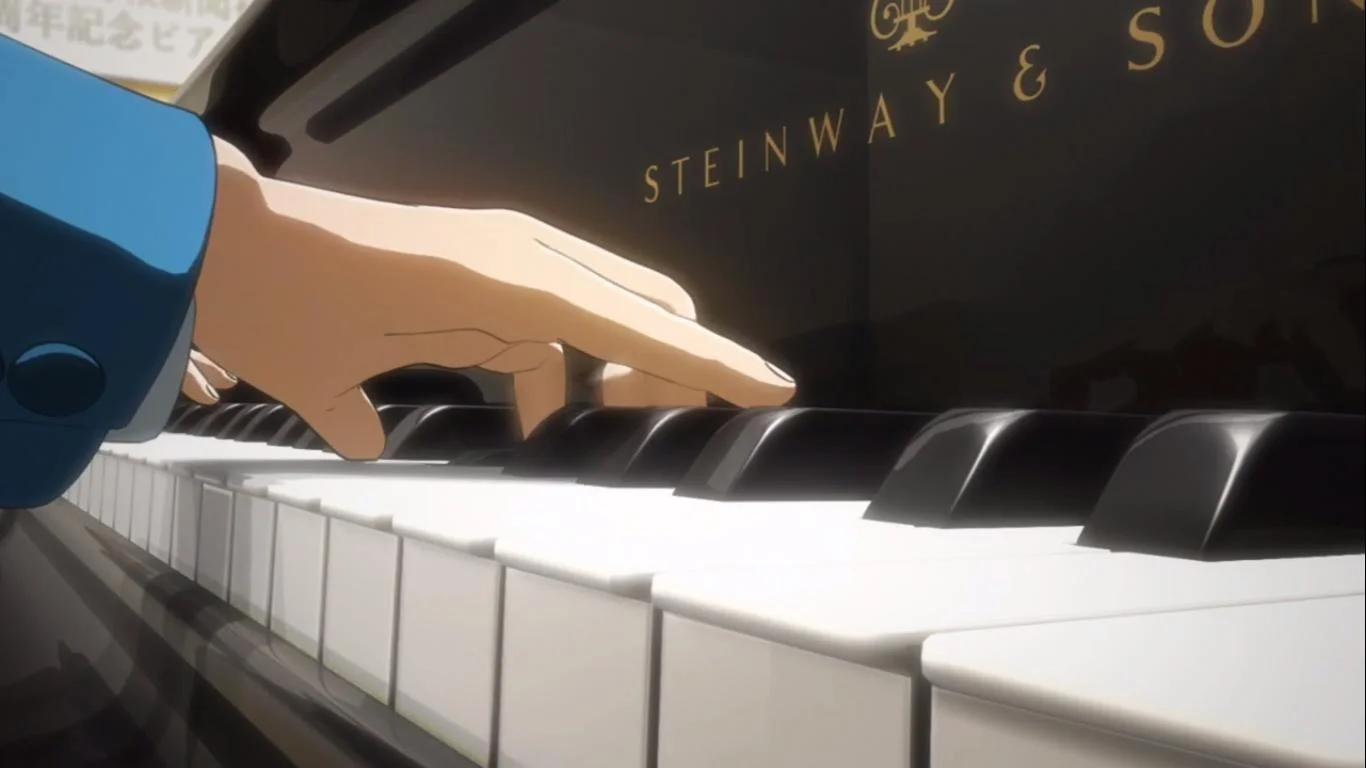
Lo-Fi Sundays 045 - G Mills
G Mills has been working hard lately, from an epic tune on the BLESS Vol. 2 compilation to a short but sweet tape on Dust Collectors. The consistently rich quality to his music is perhaps its most noteworthy aspect. His compositions fill up the stereo spread. The sample selection is robust, as G Mills leverages the full weight and potential of each sampled sound, even a split second glitch.
G Mills has been working hard lately, from an epic tune on the BLESS Vol. 2 compilation, to a short but sweet tape on Dust Collectors, and an upcoming gig in his hometown of Brooklyn, NY next weekend.
On the upbeat, G Mills’ music is a classic spin on the lo-fi sound, and on the downbeat it’s a diverse and experimental approach to the booms and claps. He’ll work with traditional fare like melancholic piano licks, but he’ll warp them with a unique touch. The consistent richness to his music may be its most noteworthy quality. His compositions fill up the stereo spread. The sample selection is robust, as G Mills leverages the full weight and potential of each sampled sound, even a split second glitch. The mixing and mastering is on point, so that even soft or ethereal songs like “Somber” or “forte” with flavors deliver a strong punch.
A mini-tape Quantize on Dust Collectors is “an experiment in texture” for the producer, and it slaps. The pencil-scratching noise on the tapes’ second tune is inventive, and the dog breathing in the background is hilarious, but also a fairly legitimate way to bolster the rhythm. The third tune, “Whirling Dervish”, employs a key sample so drastically filtered that it blurs the senses with synesthetic beauty. The listener can simultaneously feel it like a summer’s first sunburn, hear it like a high ripple, and see it like a shimmer of orange sunshine.
Next weekend, September 29 and 30, G Mills will be playing a set at Forgotten Youth Concept Store on Moore St. in Brooklyn sometime between 11-5pm. Catch the vibes if you can. We also have reason to believe the producer has a major project in the offing somewhere, so stay chooned.
FOLLOW G Mills: Soundcloud / Spotify / Twitter / Facebook
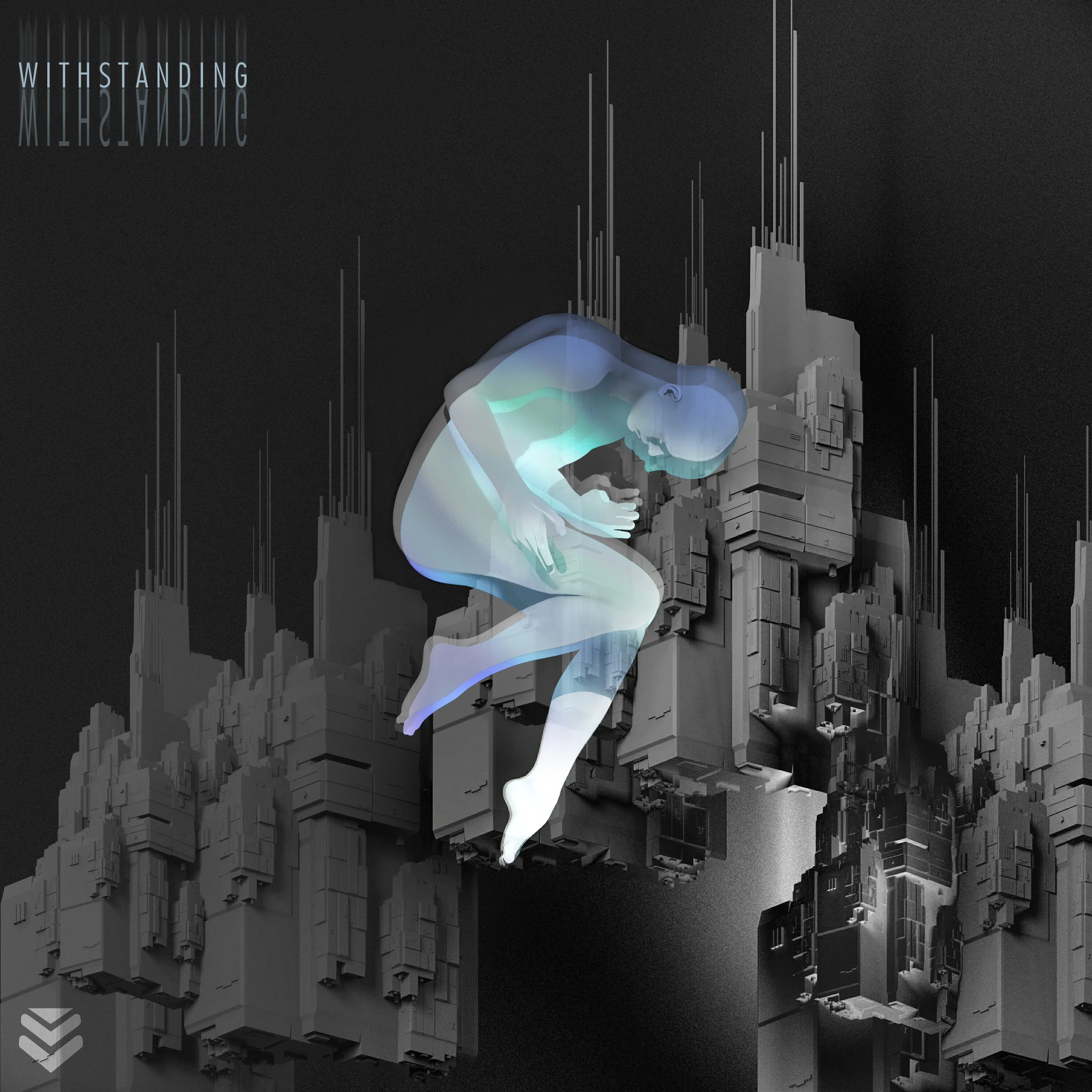
High Dude - Withstanding EP
Operating deep in the shadow realms of the Artist is High Dude, a producer, visual artist and PhD student with an innocuous name but a captivating, black electronic sound. The producer’s new release, a four-track mixed-tempo trip down the rabbit hole called Withstanding, is available today on the always dark and lurking digital label VALE.
Operating deep in the shadow realms of the Artist is High Dude, a producer, visual artist and PhD student with an innocuous name but a captivating, black electronic sound. The producer’s new release, a four-track mixed-tempo trip down the rabbit hole called Withstanding, is available today on the always dark and lurking digital label VALE.
High Dude, who hails from France, has strong views on art, both with regard to his own creative endeavors and Art at-large. “Art is nothing but the ideal, only worth the ideal; if it's limited to a mere imitation, copy or counterfeit nature, it will do better to abstain; it would only display its own insignificance, by dishonoring the very objects it had imitated.” So said Pierre-Joseph Proudhon in 1865, who is quoted on High Dude’s SoundCloud account. Indeed this rings true. Art that merely imitates is not really art at all, and ought to be left alone. On Withstanding, High Dude matches these bold beliefs with a highly cultivated and intentional sound. Although he deftly incorporates popular threads in broken beat electronic music, these four cuts are distinguished as unique creations possible of arising only from one mind - High Dude’s - at one point in time - right now.
Across the EP, High Dude flexes foundational European styles like dubstep and drum and bass. His take on each style, though, is far from traditional. With “Artless” (what superb entendre - High Dude is also a poet) the producer places sophisticated, grainy sound design and well-manipulated foley samples within an arrangement defined by the simple tempo and dark, atmospheric pads native to dubstep.
As a sucker for 170+ bpm music, your correspondent’s favorite tune on this release is “Epicenter”. It’s a mental take on drum and bass. Small, diamond-cut glitches and other delightful details perk one part of the ears while the undulating synthesizers grab hold of the body. The percussion is acoustic and classy, and a muffled voice that sounds like an airport announcement acts as a subtle, disorienting touch. The song closes in a deep, aqueous ambiance that lasts for mere seconds but projects great power. “Shaman’s Weeping” is mysterious, seemingly unable to settle on which emotion it wants to project, therefore leaving the listener in a perplexing limbo. Stylistically, the tune is noteworthy for it’s strange interpretation of psydub material
“My productions aren’t there to entertain. They cannot be consumed. You must think to understand them and accept them as they are. As pieces of art.” These words come from High Dude himself aka Lohan. Someone so self-aware of his creative products deserves a deeper look from listeners who are enthusiastic about the ideas and subtext behind art. If one endeavors to investigate his catalog, peep prior releases on Outtallectuals, Aquatic Collective, and Upscale Audio.
FOLLOW High Dude: Official / Soundcloud / Instagram
![Shambhala Music Festival - Chord Marauders [Interview]](https://images.squarespace-cdn.com/content/v1/59530136f5e2319eabb7d87f/1558498342947-E0S88JFH4PLNPVMDWEMU/Chord+Marauders_Shambhala+2018+The+Rust+Music+Interview.png)
Shambhala Music Festival - Chord Marauders [Interview]
Gaz Frost, one half of the producter/DJ duo Congi our of Nottingham, UK, agreed to sit down for an interview representing the Chord Marauders at Shambhala Music Festival 2018. The jazz-infused 140 bpm record label has been pushing one of the most original sounds in dubstep since forming in 2012. Shambhala, which rarely curates spotlights or showcases on its lineup, booked the Chord Marauders for a label showcase at The Grove stage on Sunday.
Gaz Frost, one half of the producter/DJ duo Congi out of Nottingham, UK, agreed to sit down for an interview representing the Chord Marauders at Shambhala Music Festival 2018, but was too exhausted from travel on Saturday to sit down with us. The Chord Marauders, a jazz-infused 140 bpm artist collective and record label, have been pushing one of the most original sounds in dubstep since forming in 2012. Shambhala, which rarely curates spotlights or showcases on its lineup, booked the Chord Marauders for a label showcase at The Grove stage on Sunday.
Looking for Gaz Frost that Saturday, I ran into Jafu, one of the Marauders’ four founding artists, and learned a bit about him (James) personally in the process. Not only does Jafu not play many shows, he also doesn't attend many shows either; Shambhala 2015 was not only the first actual “show” (certainly festival) he'd ever played, it was also the first show he ever attended, and the first time he ever flew on a plane.
With that kind of magic relationship with Shambhala, it felt appropriate that he too sit down for the interview, which we were able to conduct on Sunday morning. Eager to investigate the hows and whys of the fantastic burgeoning sounds of their unique dubstep, I got on well enough with them to learn about some of their early influences, the place Shambhala held in their development, and the next steps the label wanted to take to push their sound further into the North American scene.

The Chord Marauders' first signee FLO, performing while Congi sets up at the Grove Stage at Shambhala Music Festival 2018 (Credit: JoeyRootPhoto)
The Rust: Chord Marauders began forming in 2012. What were those early years like, what was the culture amongst yourselves, what was the energy in the air?
Gaz Frost: When things in dubstep started to get big, there was a trickle down of subgenres. I remember a time when George [Geode] would send music to James [Jafu], or we would send music to him, or Travis (B9) in Australia would receive music; we kind of a built like a little network literally sending tunes to each other, and it was kinda like a sound that wasn't really...
James: There was a little bit of lacking in that department.
Gaz Frost: Absolutely! It was kinda unheard in a way.
James: Yeah, I always liked tracks like “Alicia” from Mala, “Show Me” from Von D, stuff like that. Just a more soulful sound.
Gaz Frost: Sure, like drawing on the jazz influence and the more RnB stuff as well. And I think that's where we honed in, kinda made that area our own.
The Rust: Did George mostly find you guys?
James: Yeah, George was the one who got us all together in a group and pitched the idea that we should all form a collective.
The Rust: What's the culture between producers? Do you send each other tracks early on? Is there much collaboration or do you mostly share completed work?
James: These days we've been doing everything pretty complete. Especially with the Groove Booty compilations, we'll source stuff, feed off each other, see what's good, what's going on.
Gaz Frost: There is a lot of times where we'll swap half-finished tunes. Like the tune you [Jafu] sent me just the other day; there's always some stuff kinda floating around.
James: Tons of unfinished bits.
Gaz Frost: Absolutely, there's also tons of stuff that each producer finishes on their own, and stuff we work on together. I guess it's really just the cohesion of the sound [of the label] that makes it possible.

The Chord Marauders' first signed artist, FLO, performing at the Grove Stage at Shambhala Music Festival 2018(Credit: JoeyRootPhoto)
The Rust: How are the curated artists for the Groove Booty compilations found, and who decides what makes the cut?
James: Usually it'll be a group decision who makes the cut; if we all really like the artist, they'll probably make it on there. And usually we get sent a lot of stuff and we'll source things from SoundCloud (we love SoundCloud).
Gaz Frost: Yeah, we get sent a lot of music from up-and-coming artists.
James: And a lot of those guys send great stuff.
The Rust: How did FLO become the first artist to be signed to Chord Marauders?
Gaz Frost: I don't really know, it's mad! I think George was being sent bits from FLO, shared it with us.
James: It's cohesive enough.
Gaz Frost: Yeah like, it fits, but it's got a different edge to it. But he's got the thing, you know...
The Rust: Gels with the aesthetic?
Gaz Frost: Yeah, absolutely, for real!
The Rust: With this Shambhala showcase, Chord Marauders is getting more attention in the North American market. Any upcoming tours on the horizon or plans for breaking the wave?
James: We can't say for sure, but they’re definitely possibilities we're looking at in the US and overseas.
Gaz Frost: I think the US is the next one we want to try to occupy, because there's quite a demand out there for this. We just need to arrange it.
James: Yeah, there's St. Louis area and Denver so far.
The Rust: Really, St. Louis?
James: Yeah, do you know a guy named Yo Adrian? That's what he goes by on Facebook, he's an event coordinator in the area. Does lots of EDM stuff, some IDM stuff, he's a big event coordinator we've been in touch with.

Jafu performing at the Grove Stage at Shambhala Music Festival 2018 (Credit: JoeyRootPhoto)
The Rust: What's next for Chord Marauders as a releasing label?
Gaz Frost: I think Flo's got an EP ready to go. We've been working with a guy named Soma, he's got some amazing stuff; just got an EP from him. Hopefully will be releasing that this year. Other than that, just looking to stack for the next compilation.
James: And we're all always working on getting our next releases out. I've got an LP I'm working on right now.
The Rust: How did you guys first start listening to electronic music, and dubstep specifically?
James: I had always imagined electronic music to be a specific sound. When I was growing up, it was all just techno/rave/hardstyle, so my opinion on it was completely filtered through that. After I discovered Aphex Twin, I was more open to organic sounds being used in electronic music, for a different approach. In 2009, I was introduced to the song “Skeng” by The Bug, and that song was the one that changed it for me. It was a different sound than I'd been hearing, turned me onto the scene massively.
Gaz Frost: For me, it was all about early grime music. When grime music first started being made, everybody was listening to it. Everyone had it on their phone, everyone was an MC, that was just the time that it was. That was how I grew up, you know what I mean? I was like 13, 14, Dizzee Rascal came out with Boy in the Corner, I thought that was the sickest album. That was my first taste of electronic music, like “what are these sounds, how are these sounds being made?!” That was like 2003-2004, somewhere in there.
The Rust: How did the Congi project start? Where did you and Tulip meet? What was the scene like in Nottingham?
Gaz Frost: We've got a friend called Ninja who produces lots of beats, he's a mutual friend of ours, met at his house. I didn't know Tulip, Tulip didn't know me, but we actually went to school together. He [Tulip] and I got to know each other, started to mix together. He'd always bring his vinyl around, he taught me how to do that kind of thing. Yeah, we just started meeting up and making music together. It was fun, like we didn't plan it or nothing! From there we started to get, like, quite serious with it, find an outlet to release. The scene in Nottingham was really interesting, there was a lot of guys doing dubstep. Like there was this one guy, Geome, he's massive. For me, he was really important at the time, [representative of] the really good stuff that was going around. And that's also sort of how we [Tulip and I] became friends, mutual friends recommending the same nights to us, stuff like that.
The Rust: What are some inspirations for the Congi project?
Gaz Frost: God man, it's vast. Like, there's a lot of influence. There's a jazz project out of the UK called the Ezra Collective, a lot of really young jazz players. I've got a friend called Yazmin Lacey, she's an amazing singer. A lot of hip-hop, early grime, so like early Dizzee Rascal. That's the kinda stuff that really sculpted our sound. And there's a lot of R&B as well, like we both really like Destiny's Child and Jagged Edge, that kinda stuff.
The Rust: Best shows you've played? In terms of crew, crowd, production value, whatever.
Gaz Frost: Denver was sick. Also last year here [Shambhala], man! I'd never played in Canada before, last year was really fun. The overseas ones are always the best ones. I've played a little in Europe (Portugal a couple weeks ago), but the vibe over here is definitely different. From home, especially, home's a little bit weird! It's more appreciated out here, I feel.
The Rust: Interesting! When did you feel that shift occurred?
Gaz Frost: I don't know! I dunno how it happens, but at festivals like this, you can play what you want, and you don't have to worry about making people dance. That's the best part, you can try something out that you're not too sure about, and the crowd's really receptive to what you want to play. That's the big difference, I feel.
--
We spoke about Shambhala this year and what was different (the lack of bridge at the Living Room shocked both of them). They were stoked to see Joe Nice, who was the “the undisputed dubplate king of America” according to these two. James mentioned the Jafu sound had evolved since his first Shambhala three years prior, based largely on said prior experience, saying he wanted to get the audience to skank more this time. Gaz Frost spoke about playing out in Brooklyn and a small show in York, Pennsylvania, which he felt was noteworthy for have a really strong, tight-knit community vibe. These are the only places besides Denver where Congi has played in the US, but Gaz maintained that Cervantes' Masterpiece was the best one-night show he'd ever played, ever. Overall, they both gave big ups to the dubstep following in the US and at Shambhala. How encouraging it is, they said, to be able to play for and interface with some of the most stoked fans and engaged audiences they've seen.
FOLLOW Chord Marauders: Official / Soundcloud / Bandcamp
FOLLOW Shambhala Music Festival: Official / Facebook / Instagram
FOLLOW Congi: Soundcloud / Bandcamp / Facebook / Twitter
![DeeZ - Data Splatta [Premiere]](https://images.squarespace-cdn.com/content/v1/59530136f5e2319eabb7d87f/1533437014793-Q1WML67XQX99TACOGOJC/Deez+_+Data+Splatta.jpg)
DeeZ - Data Splatta [Premiere]
Leading left-field bass music producer DeeZ is set to self-release a new four-track EP called Data Splatta this Wednesday, September 19. The EP finds DeeZ again honing in on his signature vibrations, though with more ferocity and abandon than ever before. Today, the producer offers the title track as a first taste of the full release.
Leading left-field bass music producer DeeZ is set to self-release a new four-track EP called Data Splatta this Thursday, September 20. DeeZ aka Andy Widdecomb has earned a reputation over the years by continually refining a raw, speaker-splitting sound that stomps around between dubstep, psy, and hip-hop. Data Splatta finds DeeZ again honing in on these signature vibrations, though with more ferocity and abandon than ever before. Today, the producer offers the title track “Data Splatta” as a first taste of the full release.
Strange Matter, the most recent EP from DeeZ, was an experiment for the producer that drifted into downtempo and atypical uptempo arrangements. He doesn’t lose that unique, alien attitude on Data Splatta, but it’s not as startling this time around. DeeZ has aligned himself more with the experimental fringes of bass music in the past year. As such, beats so severely broken and run through with ambitious synthesis are no longer out of character for the producer.
“Data Splatta” displays the dominant sound across this EP - a package of bass so wide and expansive in the stereo spread that it commands attention. The moist but grainy texture of the synthesizers, stacked on top of sub bass, produce an aural representation of complex and valuable data that’s been corrupted. The drums are crisp as always. The percussive arrangements are simple but not shallow, allowing the melodic lines to take full control of the listener’s headspace. Once digested, these melodic lines, massive chunks of synthesis, will leave listeners with a full belly.
During our interview with DeeZ from Elements Lakewood Music & Arts Festival this summer, we touched on the producer’s tireless work ethic. It’s that extra studio time, those extra micro-edits, that attention to detail which brings forth these cutting-edge sound designs. If there’s one thing the EP could use more of, though, it’s swing. Perhaps one can learn through practice and hard work to swing the drums just right, though perhaps not. Data Splatta has a touch of swing, particularly on “Who The”, but a touch more would give DeeZ’s sound that irresistible primal movement that can get lost amidst more technical achievements.
Still, Data Splatta is one release not to skip over in the constant stream of new, innovative bass music. Few producers achieve the sheer girth of sound DeeZ can. Just ensure that you’re data is backed up before buying Data Splatta, as this filthy EP is liable to corrupt it.
FOLLOW DeeZ: Bandcamp / Soundcloud / Facebook / Instagram
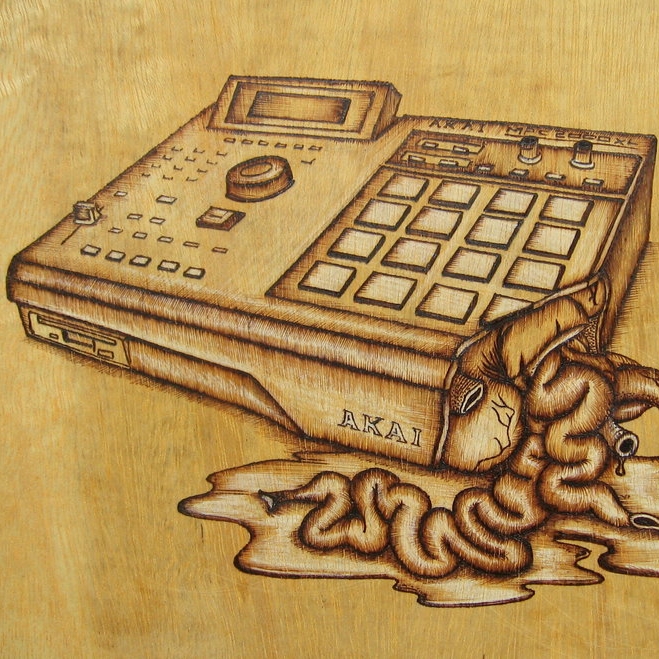
Lo-Fi Sundays 044 - Saito
If it is indeed the ear that chooses the sample, then Saito’s ear is aimed directly at the heart of conventional soul music. His clear musical affluence is not only his most defining characteristic, but signals that the well is nowhere near tapped dry for this modern day bard of the beat.
In light of the genre being rooted in a distinctly American musical flavor, lo-fi music is just as globally infectious as clean-cut hip-hop, and today we’re putting the spotlight on a choice character from the Italian peninsula. Saito is a groove machine in his own right, ripping through dozens of perky samples and delicious drum shots. He has six albums under his belt, each with double-digit track numbers, and most featuring a thorough collaborative effort between himself and a few other likeminded producers.
If it is indeed the ear that chooses the sample, then Saito’s ear is aimed directly at the heart of conventional soul music. The very first cut on his socials currently features a lovely flip of a track by The Supreme Jubilees, a once prolific American gospel group. Honing in on the particular tonal colors of full chords is a major strength for this producer, and is the bedrock feature of his discography. Running against the typical lo-fi motif of faded frequencies, the distinct sound to the Saito catalog is the brightness and clarity that exudes from his music. His emotive soundscapes take on a flavor that is a cut above melancholy, swaying the heart somewhere between nostalgia and smokey daydreams. Be it the budding vibrato of harmonized vocals, the bright snap of crystal clear hi-hats, or just the right twang of just the right string, the undeniable draw to his aural attitude means Saito is well on his way to being a three-star Michelin beat-chef.
Spread across several major streaming and distribution platforms, Saito’s music is fully available to anyone who happens to stumble across his musings. A member of the Japan-based BSC Crew, he has positioned himself to reach international audiences through the labels and collectives he chooses to associate with. His clear musical affluence is not only his most defining characteristic, but signals that the well is nowhere near tapped for this modern day bard of the beat.
FOLLOW Saito: Soundcloud / Bandcamp / Spotify / Facebook
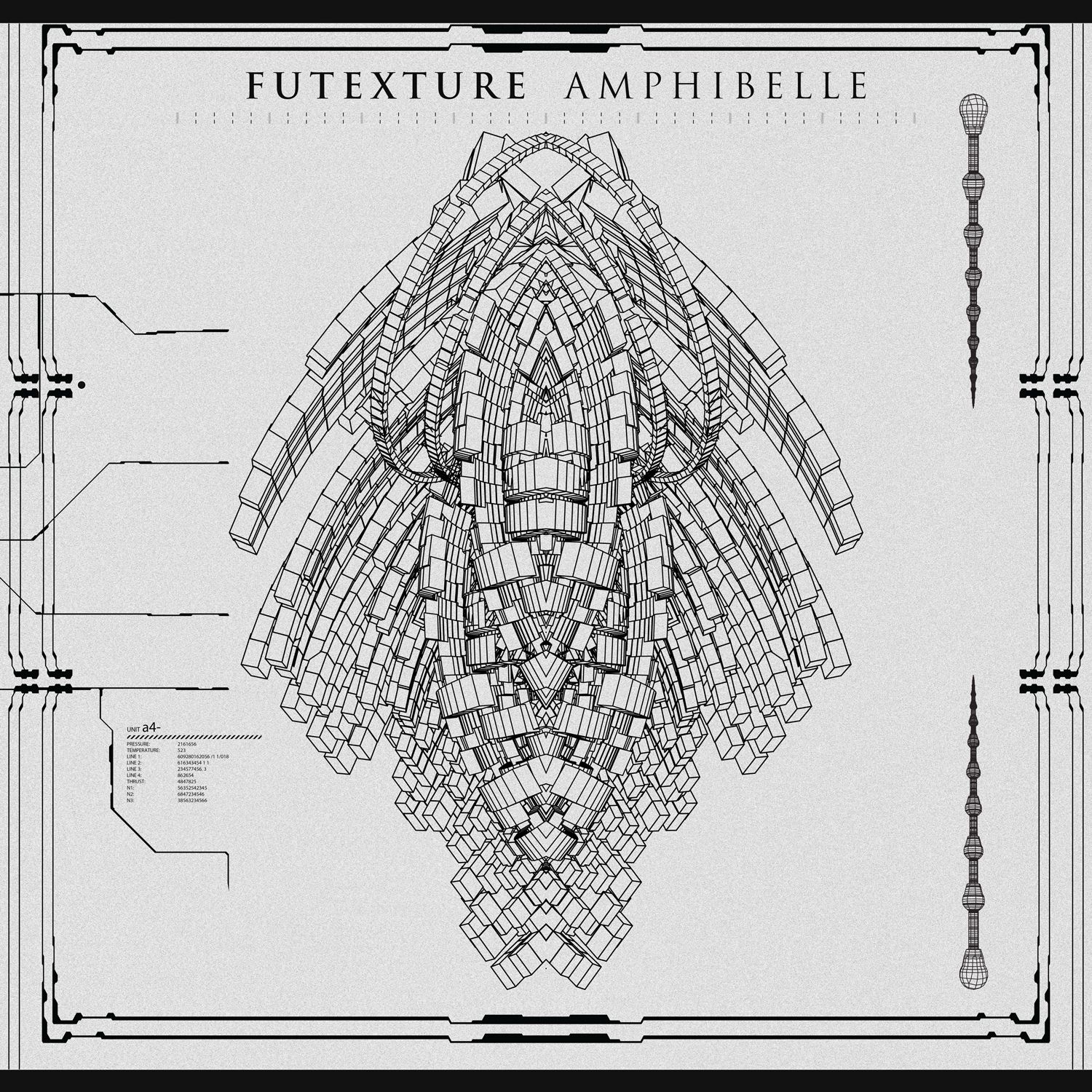
Futexture - Amphibelle
Amphibelle is the first release from the experimental glitch producer Futexture in almost four years. The startling intricate arrangements, masterful sound design and thematic continuity across the six-track EP suggest that this long hiatus has been kind to the producer aka David Krantz from Asheville, North Carolina.
Amphibelle is the first release from the experimental glitch producer Futexture in almost four years. The intricate arrangements, masterful sound design and thematic continuity across the six-track EP suggest that this long hiatus has been kind to Futexture aka David Krantz from Asheville, North Carolina. The music is inspired by the “movement and archetypal expression(s)” of water, according to David, who describes how he was “knee deep in a slowly moving stream” when he was “overcome by an extremely intricate and overwhelming auditory hallucination” prompted in part by the rushing water. Amphibelle is David’s attempt to recreate and depict that experience in sound. As such, it’s only appropriate that the record is released to the world by Aquatic Collective.
The six songs at first sound vastly different from one another. In this way, the composition is all over the map. By no means is it sloppy, though, it’s just difficult to identify by genre, or to associate it with common tropes or genres other than “glitch” (Amphibelle has many of them). There are common threads woven through the entire release. These include complexity in sound design and arrangement and an auditory imitation of the infinite expressiveness of water.
The second half of “Syntax” is nothing short of incredible. The stacked frequencies forming the lead melody are chill-inducing. The melody sounds almost like a blues waltz played out on synthesizers that surge forward in high contrast to the light background riffing on keys and pads. In the background, minute glitches patter like the sound of pouring water. “Plengi” again has aquatic synthesis, although now it’s more robust, like a gush instead of a trickle. Atop a quasi-dub aesthetic, an emotive mandolin plucks away in a style between four-bar blues and classical Spanish playing. On this track, Futexture demonstrates his knack for designing sounds that are crisp but not necessarily musical, and arranging them in such a way as to give them a musical function.
“Through the Edge of Never”, particularly in its reprise or second half, offers a beautiful sonic glimpse of the duality between the chaos and order inherent in a rushing body of water. A stoic set of chords contrasts with a heavy archetypal breakbeat laden with saturation and heavy reverb. The title track, though, has to be the superlative song on the record. The array of audio material crammed into this one track is dizzying. It pivots on a dime again and again from one soundscape to an entirely different one while somehow still maintaining a sense of thematic continuity.
All 100 percent of the money spent on Amphibelle will be donated to help provide clean water for the Secoya tribe in Ecuador and help the tribe buy back ancestral land they were evicted from in the 1940’s (learn more at amphibelle.com). Although Futexture has been quiet for years now, fans still express the impact that his earlier music made on them. This release reestablishes that Futexture is indeed still operating on an elevated playing field, creating experimental electronic music in league with any of the style’s great practitioners.
FOLLOW Futexture: Soundcloud / Spotify / Bandcamp / Facebook
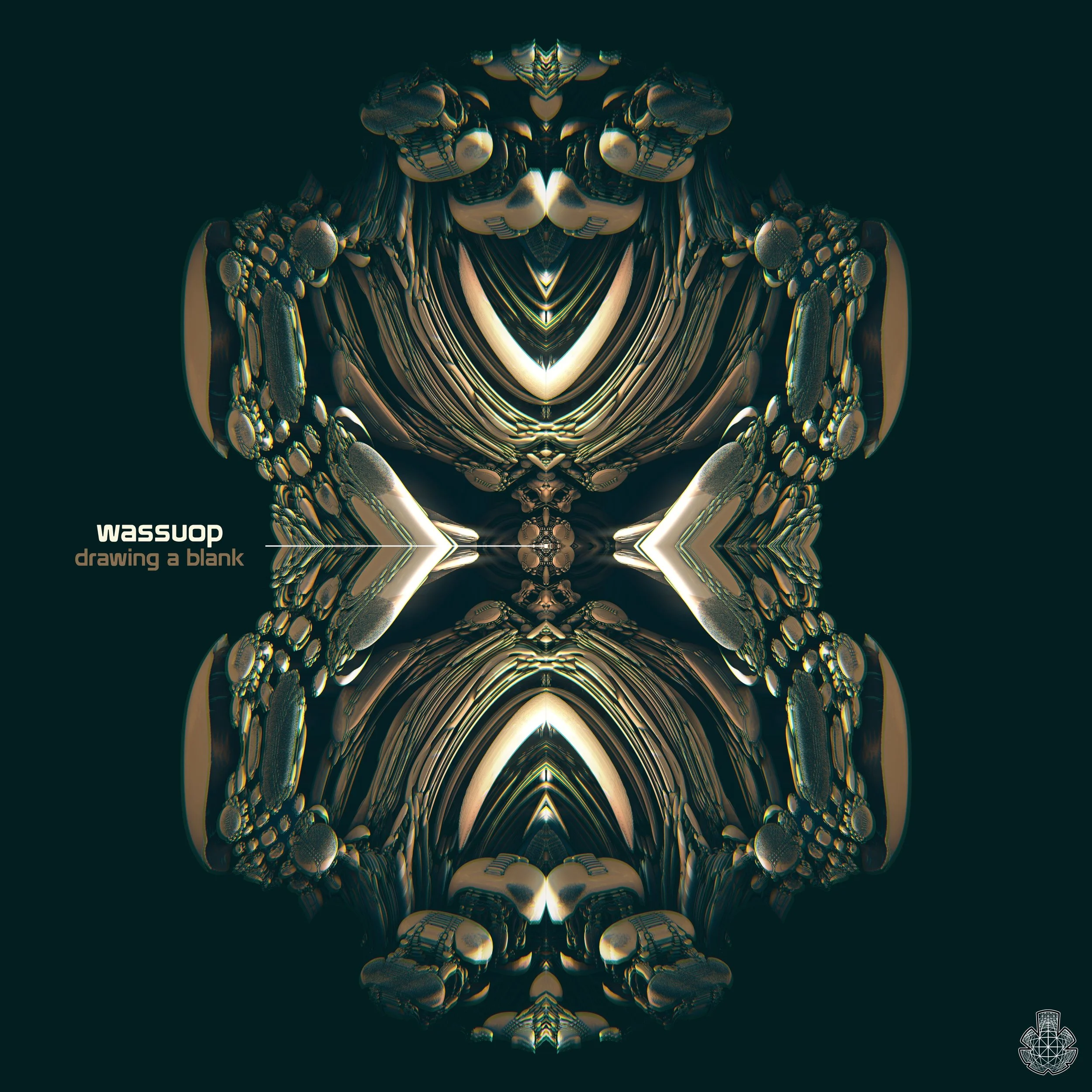
wassuop - Drawing a Blank
There is an air of excitement around midtempo glitch in the state of Washington that is irrepressibly growing, and Drawing a Blank is emblematic of this growth. This wassuop release through Washington-based label Danktronics not only affirms the relationship between him and his distant squadron of fans, it also provides a potential flashpoint between the two.
wassuop is the musical project of Patrick Sproull out of Oakland, California that was born in the wide expressiveness of midtempo then buoyed considerably by the sheer magnetism of glitch hop. His funky broken beats hammer out a joyful sub-pulse across the spectrum of frequencies while telling stories through a vocal midbass element. His debut album Sunset Architect was a sonic achievement that unlocked his potential and earned immediate exposure through the releasing label Street Ritual. Now, Drawing a Blank released through the Bellingham, Washington-based label Danktronics symbolizes a salute northward. Since that first release in June of 2016, wassuop has played out for the Pacific Northwest’s true fans more times than perhaps any other group. Drawing a Blank is not only a thirst-quencher for the fanbase he has garnished but also a darker take on the same colors used in Sunset Architect.
Danktronics are quite the set of glitch gangsters, and their influence is reflected in the tracks wassuop chose to release through the label. “Lysergic Tempura” channels the Middle Eastern influences in the plucked strings that were already used to a crystallizing effect on “Wet Jewelry” off Sunset Architect. Now, wassuop’s fresh take on these influences has a weightless natural percussion combined with more swagger and sludge in its commanding sound design. The title track uses similar twangs over a magnificent and teeming glitch sub-pulse. The sound design then takes hold and moves forward to absorb the audience's attention, before dropping well-rounded bass tones in upbeat triplets. “Grossly Incandescent” shines a light on the darkness of the echoing reverb on a kick drum, with glitches that smear their colors and growl with a lisp. This soupy mess of sounds maintains a clean beat, and as a result is both danceable and jaw-droppingly abstract, truly encapsulating the mood of the album in its final track.
The real humdinger is the penultimate track, which is generally the best place to break up the mood in any four-track EP. “Licked” begins with the shining light of the arpeggiator, before leading the way with a cowbell deep in a reverb pit, and finally dropping into a spare, low-end get down that alternates with the cowbell's clarity. Ponderously wandering through a synth melody, the midbass gets fuzzier and lazily blows raspberries at the listener. Suddenly, the song appears to trail off as the melody resolves, but it comes winding back with a vengeance, cutting delicious polyrhythms that mete out an entirely new story. While Drawing a Blank is a far departure from the relentless optimism of wassuop’s first release that so magically caught our ear, the growth feels organic and comfortable given the influential relationship the producer has maintained with the Pacific Northwest.
A wassuop release through Danktronics not only affirms the relationship between him and his distant squadron of fans, it also provides a potential flashpoint between the two. The once unknown label that, by some underground magic, would release music from artists with larger followings than the label alongside completely unknown producers, is now releasing music from artists with smaller but diverse followings, creating a cross-pollination of audiences. Both wassuop and Danktronics are breaking the mold of their local scene by forming lasting artistic relationships in the early years of their development.
There is an air of excitement around midtempo glitch in the state of Washington that is irrepressibly growing, and Drawing a Blank is emblematic of this growth. Even in a vacuum, this new album is a huge step for Patrick artistically, proving his midnight dancefloor accessibility with a swill of confidence that maintains his effortlessly synesthetic sound design and attentiveness to the sub-pulse. Despite the dark ambiance of his new wonky tunes, the future of wassuop looks bright.
FOLLOW wassuop: Soundcloud / Bandcamp / Facebook
FOLLOW Danktronics: Bandcamp / Soundcloud / Facebook

Lo-Fi Sundays 043 - Solrakmi
Solrakmi consistently cranks out boom bap style trip-hop and jazz knocks. His chops are truly top notch, and the breadth of his sampling - he'll pull from anywhere - is exceptional. It's not his technicality or beatmaking prowess that captivates most, though. It's a vital essence. It’s the strange alignment of samples that sends a quick chill down your spine, or makes you turn your eyes to the sky in perplexed gratitude.
Solrakmi consistently cranks out boom bap style trip-hop and jazz knocks. The producer will dabble in stripped-down, four-bar lo-fi formats although he sounds more at home getting down and layering effects on a wild set of hi-fi samples. Solrakmi appears at first enigmatic online, that is to say Solrakmi aka Karlos Henriques lets his music does all the talking. He doesn't appear to collaborate with other producers, although he did start a promotional channel Chill Select, and resides in Banbury in the United Kingdom.
Very recently Solrakmi's tracks have appeared on Combustion from an outfit called Retro Jungle, and Solstice from Dust Collectors. In each case, you can spot the Solrakmi songs among the bunch if you listen for the big, blustering, highly-compressed boom-bap drums. His color-saturated samples are recognizable, too, but Solrakmi's real calling card is his love of the low-frequency oscillator or LFO, which he applies masterfully (hear the wobble in the sample at the end of "We Got This", or "Just Enough".
There's a vital essence in Solrakmi's music that's instantly apparent. Most if not all his cuts project it. His chops are truly top notch, and the breadth of his sampling - he'll pull from anywhere - is exceptional. It's not his technicality or beatmaking prowess that captivates most, though. It's the strange alignment of samples that sends a quick chill down your spine, or makes you turn your eyes to the sky in perplexed gratitude. Karlos Henriques, the man behind the Solrakmi project, appears to be a humble yet talented man who does it all for the love of beats.
![Wax Future - Source Code [Premiere]](https://images.squarespace-cdn.com/content/v1/59530136f5e2319eabb7d87f/1536340766918-NVXUEHWD2X38G9A4DWR9/wf.source.code.jpg)
Wax Future - Source Code [Premiere]
After several years of non-stop touring, sonic developments, and various releases, Wax Future is set to unleash the rotund eight-track EP Source Code. Unleashing the EP's title track seven days shy of the full release, “Source Code” is entirely indicative of their musically affluent roots.
After several years of non-stop touring, sonic developments, and various releases, Wax Future is set to unleash the robust eight-track EP Source Code. Born out of the waning electronic hip-hop movement, they are one of a few select acts within the genre that has been able to distinguish themselves through their soul-drenched beats. Having transcended the pitfalls of copy-paste arrangement, lazy mixdowns, and constant sample recycling, they avoid the musical stagnation of similar electro-soul producers around them. As a result, Wax Future is heavy on the minds and thick on the taste buds for fans throughout the US.
The EP is a matured, dialed-in interpretation of a sound Wax Future has been gradually developing throughout their releases. Taking on multiple emotive outputs, Source Code stretches between a funk extravaganza and a serenade of synthesis. As always, their choice of tempo and rhythm was born in the pocket, and forever remains in the pocket. Broken beat compositions are the lifeblood of Wax Future, and they consequently hone in on the rhythmic space available with all instruments and tones at their disposal.
Unleashing the EP's title track seven days shy of the full release, “Source Code” is entirely indicative of their musically affluent roots. Opening up with faded pads and complementary harmonies, the tones are saturated just enough to give them an organic pulse. Vocal cuts and choice synthesis meander into one another throughout the track, partaking in the fractured arrangement dance that is a tried and true staple of all glitch music. The guitar lines and harmonic layering fill out the rest of the frequency spectrum, covering everything above around 1000hz in a six-string shimmer. From start to finish, the song is a microcosm of its namesake album; a meticulous composition that stirs emotional output right from the very first note.
With one week away until the full release of Source Code, eager ears are patiently awaiting a full serving of waxy musings. After a summer spent blasting across the US festival circuit, and with this brand new bag of tunes coming hot off the press, it can be assumed that an Autumn tour is right around the corner. If you happen to make your way into the next Wax Future performance, be sure to safely secure your jaw in place, lest you leave it on the floor in the aftermath.
FOLLOW Wax Future: Bandcamp / SoundCloud / Spotify / Facebook

![Seppa - Interview + Boosted [EXCLUSIVE PREMIERE]](https://images.squarespace-cdn.com/content/v1/59530136f5e2319eabb7d87f/1626113208781-BZ7C6B7E3LCECV7UD4CS/Boosted.jpg)
