
Beyond the Music at Bass Coast
Every seasoned festival-goer in North America should try to attend Bass Coast at least once. But be warned - once you go, you’ll want to return every summer. That can be challenging for those who live far from Merritt, British Columbia, but the trip is worth every mile. Tucked into a hot, dusty valley in the BC interior, Merritt is Canada’s country music capital, or used to be, depending on who you ask. The likes of Johnny Cash, Merle Haggard, and Tanya Tucker have handprints on the town’s Walk of Stars, and Merritt Mountain Festival used to bring more than 100,000 people to the area. In this context, Bass Coast is a natural fit for the area.
Written by Mark McNulty
Every seasoned festival-goer in North America should try to attend Bass Coast at least once. But be warned - once you go, you’ll want to return every summer. That can be challenging for those who live far from Merritt, British Columbia, but the trip is worth every mile. Tucked into a hot, dusty valley in the BC interior, Merritt is Canada’s country music capital, or used to be, depending on who you ask. The likes of Johnny Cash, Merle Haggard, and Tanya Tucker have handprints on the town’s Walk of Stars, and Merritt Mountain Festival used to bring more than 100,000 people to the area. In this context, Bass Coast is a natural fit for the area.

Artist: Leikeli47
Photographer: 403 ABC
“We value freedom of expression in this community,” says Merritt Mayor Mike Goetz who was working inside Merritt’s mobile visitor center at Bass Coast. Residents love “the Bass Coasters,” he says, and the festival requires only a small police and fire presence compared to other events. “My daughter will be here tomorrow, she embraces this lifestyle. So I have this in my family, but we also embrace it as a community because these are the most friendly people you’ll ever come across.”
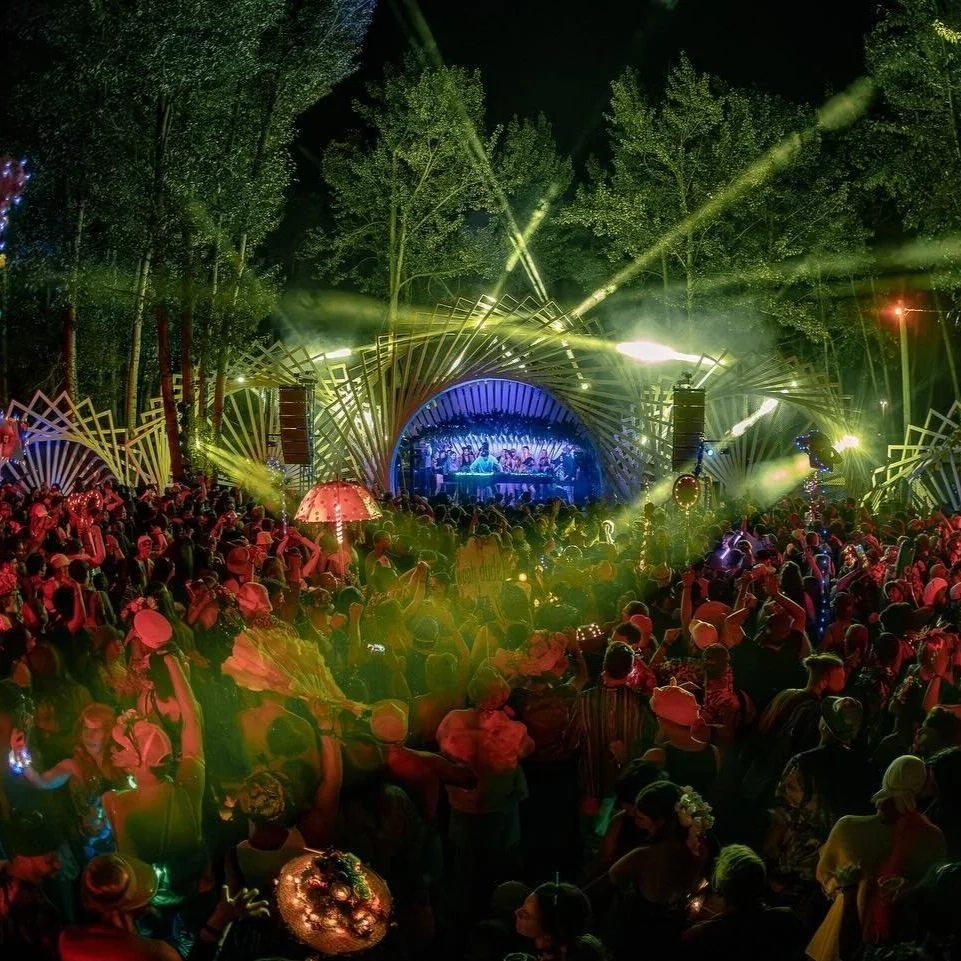
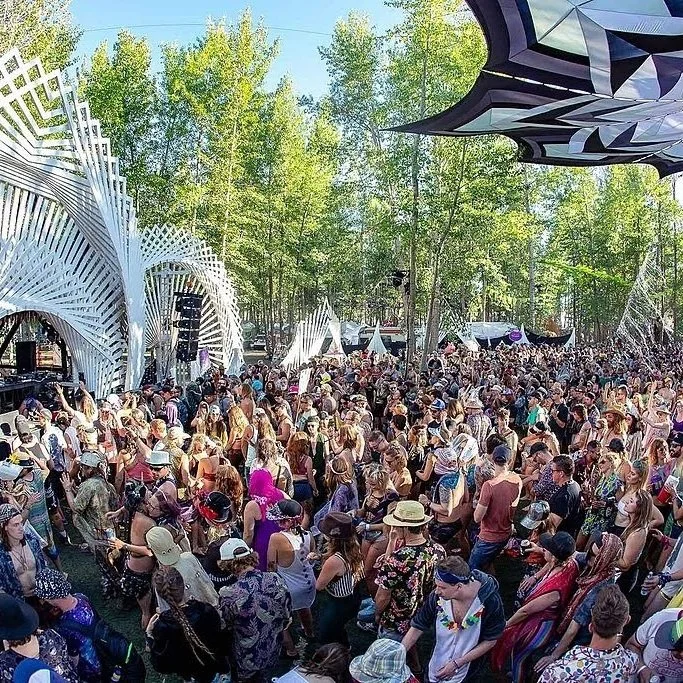
In its sixteenth year, Bass Coast was headlined by Leikeli47 and Of The Trees. West coast locals and international underground talent provided the best in bass, house, and broken beat electronic music across five stages, which were set up alongside dozens of interactive art installations. The-run of-show was world-class, but it’s what takes place beyond the music and art that truly sets Bass Coast apart.
Donna Dada, a Vancouver-based DJ and quietly influential woman in North American jungle, described the vibe at Bass Coast as “a culture of care.” Attendees care for themselves, one another, and the land, which is traditional, ancestral and unceded territory of the Nlaka’pamux and Syilx people. (“Unceded” means the land was not part of a treaty.) Sometimes, people treat festivals as an opportunity to stop caring, to abandon responsibility and just go wild. Yet during these weekenders where people are touching the veil, weather is unpredictable, transportation is scarce, and resources are limited, it’s a good time to exercise more caution, while still letting loose. It’s a delicate balance that Bass Coast strikes elegantly.

The Slay Bay stage.
Photographer: Banana Cam
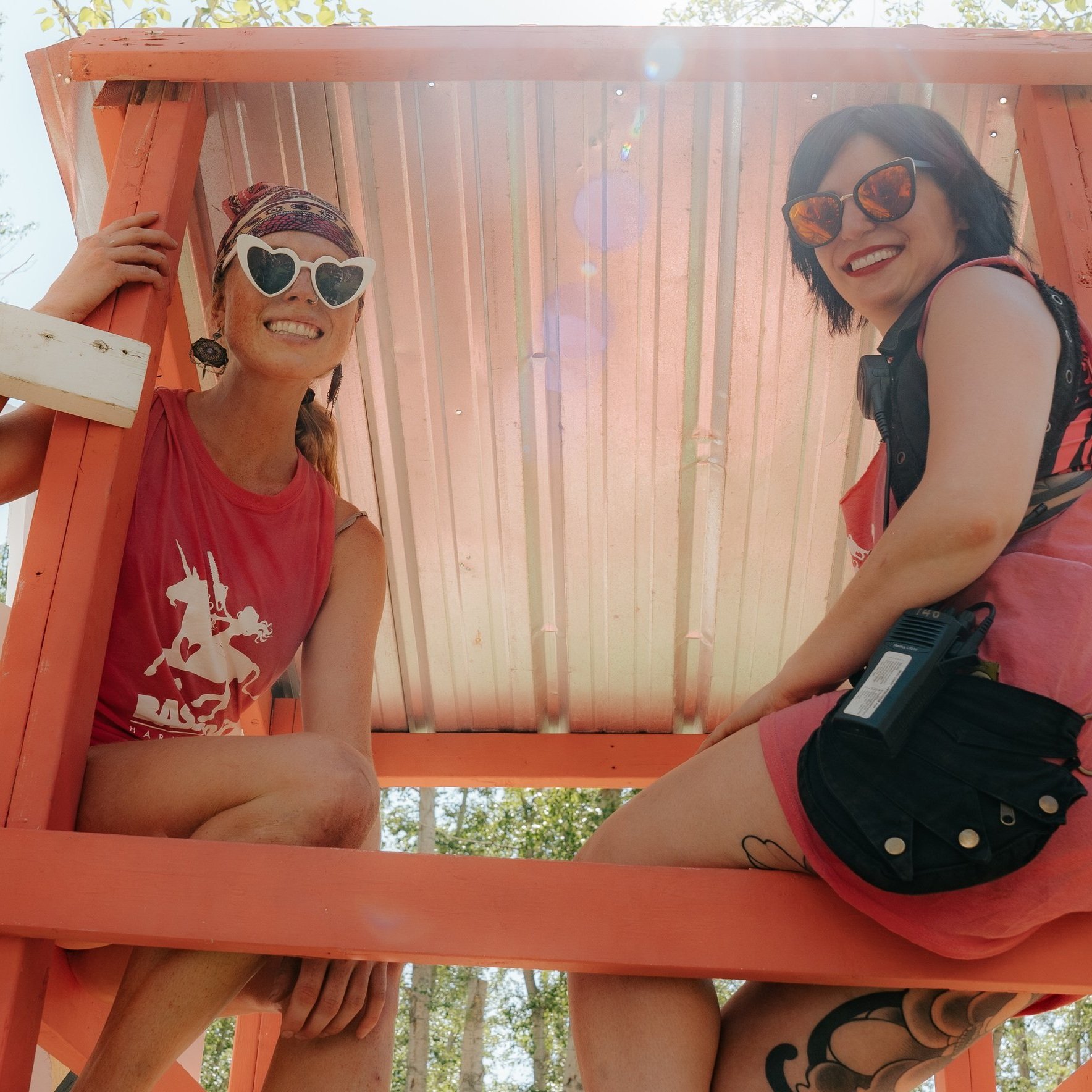
The event is founded and primarily produced by women. Andrea Graham (aka The Librarian) co-curates the music, Liz Thompson curates the art, and Ana Hilliar runs point on production. Many of the staff, artists, and attendees I spoke with suggested Bass Coast’s culture of care comes from its femme-forward management structure. Another woman who contributes to this culture is Stacey Forrester, Harm Reduction Manager at Bass Coast and a Sexual Violence Prevention Educator who has worked for the festival since it moved to Merritt 11 years ago. Stacey and her 80+ volunteers in peach pink shirts help keep the festival safe and fun.
Harm Reduction, the largest team at Bass Coast, manages an emergency phone line and spends shifts in “lifeguard” chairs behind each dance floor. They run a sanctuary space where attendees can cool out, and administer a drug checking station with a television that broadcasts details about the substances circulating on the grounds. Coastal British Columbia was considered the epicenter of the continent’s toxic drug crisis, Stacey tells me. “The trends we saw in toxicity happened first here and slowly spread across the rest of Canada and North America,” she says. “It forced regulatory bodies to take harm reduction seriously.” After a teenager died of an overdose at a festival in Kelowna, BC in 2016, Interior Health, a regional health authority, required festivals to provide drug checking. The Harm Reduction team’s presence and the year-round messaging from their Safe Coast Instagram account encourages attendees to take some responsibility for one another. It’s not just someone else’s job. As a result, everyone becomes part of the festival’s infrastructure, weaving threads of mutual accountability that hold the festival together like a web.
Stacey also points out part of harm reduction is keeping people occupied. “There are things to do here at Bass Coast besides getting really messy,” she says. Every art installation is interactive. The Coldwater River is delightful. Arts, crafts, yoga, and workshops are available all weekend. For example, filmmaker Dan Pierce delivered a captivating presentation on the relationship between flooding, clear-cut logging, and forestry practices in BC. (Merritt suffered a catastrophic flood in 2021.)

Artists: Magugu & Mat The Alien
Photographer: Banana Cam
Among all these extracurriculars, though, music still holds court. JPS, a key electronic music curator in Australia, played a fan favorite late night set at The Cabin. He considers Bass Coast one of the best festivals in the world. “They’re not many festivals in the world where you can have Ivy Lab playing the main stage on a Saturday night. The difference here is the culture built around the music,” he says. “It’s in the name.” To hear the music, follow Subtle Radio for full set recordings coming soon.

The Bass Coast main stage.
Photographer: 403 ABC
People throw the word “family” around often in the festival community. Everyone wants to feel part of something greater than themselves. Some people embrace the festival community because their own family may not accept or understand them. Yet this word “family” can be limited. Sometimes people only extend that familial love to their homies, to good-looking people, to heteronormative people, etc. Sometimes people hold back that familial love because other people out there will take advantage of it. At Bass Coast, everyone was extending that familial love to everyone else.
To be sure, I heard criticism from some corners. Three attendees suggested Bass Coast can be “cliquey,” even pretentious, because its audience is primarily from Vancouver. Shambhala, a larger regional festival which Bass Coast is often compared to, can feel more “open,” two attendees told me. Still, hailing from cliquey New York City and having attended both festivals, I felt Bass Coast to be plenty open. Bass Coast feels like a family, and by the end of the weekend I felt like part of the family. The festival is large enough to overwhelm you with awe, yet intimate enough that you can find your place. After all, in this community, finding one’s place is what we’re all seeking in the first place.
Bass Coast 2025 pre-sale tickets are available now.
FOLLOW Bass Coast: Official / Instagram / Facebook / Soundcloud
10 Can't-Miss Artists of Color at Bass Coast
Why is it important to consider equity and diversity in dance music? From house and techno to jungle and dubstep, electronic dance music often came from marginalized diaspora communities which, at least in North America, were often Black and Latino. Yet as dance music has become a mainstream, multi-billion dollar business, it is impacted by racism and exclusion like any other business in a society where these challenges remain all too present. In 2019, Bass Coast started collecting detailed demographic data about its bookings and using it to “critically look at strengths and gaps in our programming choices.” In 2024, the Phase 1 lineup featured more than three dozen women and gender non-conforming people, and nearly 30 artists of color, including several indigenous and Métis DJs and producers from Canada. So with this in mind, in addition to Leikeli47, here are 10 can’t-miss artists of color at Bass Coast.
Written by Mark McNulty
Bass Coast in British Columbia, Canada, the reigning DJ Mag “Best Boutique Festival in North America,” has a theme each year. In 2024, the theme is “Reflection,” which encourages attendees “to reimagine their relationship with expression, consumption and the environment.” Recognizing this, we recently spotlighted the festival’s sustainability practices. The theme also offers an opportunity to reflect on racial equity and spotlight artists of color at the music festival.
Why is it important to consider equity and diversity in dance music? From house and techno to jungle and dubstep, electronic dance music often came from marginalized diaspora communities which, at least in North America, were often Black and Latino. Yet as dance music has become a mainstream, multi-billion dollar business, it is impacted by racism and exclusion like any other business in a society where these challenges remain all too present.
As a result, dance music’s humble origins have been lost in the mix, and it has become harder for artists of color to break into spaces. As Detroit techno originator Kevin Saunderson told Billboard in 2020: “it feels like Black artists are being eliminated from dance music.” Or as Chicago house legend Derrick Carter wrote in 2014, “something that started as gay black/Latino club music is now sold, shuffled and packaged as having very little to do with either.”
For one example, consider UNESCO recently recognizing the cultural heritage of Berlin techno without mentioning Detroit. This phenomenon began long before electronic music, and it’s well-documented in books like Blues People (1963) by Amiri Baraka and Assembling a Black Counter Culture (2022) by DeForrest Brown Jr. For another example, Led Zeppelin infamously plagiarized Black blues players without giving them credit.
So what are the solutions, and how is Bass Coast doing its part?
One thorny barrier to diversity in dance music is “colorblindness,” or the belief that you should treat all persons equally without regard to their race. This sounds reasonable on the surface, but what happens if you apply it to a community where racial inequalities actually do exist?
Consider R&S Records. This storied label released Aphex Twin's Selected Ambient Works 85-92 but its founder Renaat Vandepapeliere has been accused of racial prejudice multiple times. When artist Eddington Again published email exchanges in which he asked Vandepapeliere why R&S signs so few people of color or women, the label boss responded, "we are not a political party," and "I sign music I can find - I don't sign color mate."
It sounds reasonable to sign “music you can find” without regard to race. Yet if your roster is all white in a scene born from communities of color, it begs the question, “where are you looking?” Like other businesses, decision-making spaces in dance music (and bass music) are often white. It’s not wrong to book talent from your own milieux or comfort zone, but that likely won’t yield diversity unless your peer group is diverse, and at least for most Americans that’s not the case. In other words, if you “don’t see color,” you may not end up seeing any on your lineup.
This is why one part of the solution is abandoning the colorblind approach and intentionally considering diversity. For example, in 2019, Bass Coast started collecting detailed demographic data about its bookings and using it to “critically look at strengths and gaps in our programming choices.” The event is now far more diverse than other North American bass festivals.
Bass Coast 2024 is co-headlined by Of the Trees and Leikeli47, a rapper raised in the Brownsville and Bedford-Stuyvesant neighborhoods of Brooklyn whose music has bass, dance, and house elements (Leikeli47 cites N.E.R.D. as one of her greatest influences). The Phase 1 lineup featured more than three dozen women and gender non-conforming people, and nearly 30 artists of color, including several indigenous and Métis DJs and producers from Canada. So with this in mind, in addition to Leikeli47, here are 10 can’t-miss artists of color at Bass Coast.
Ashley Morgan
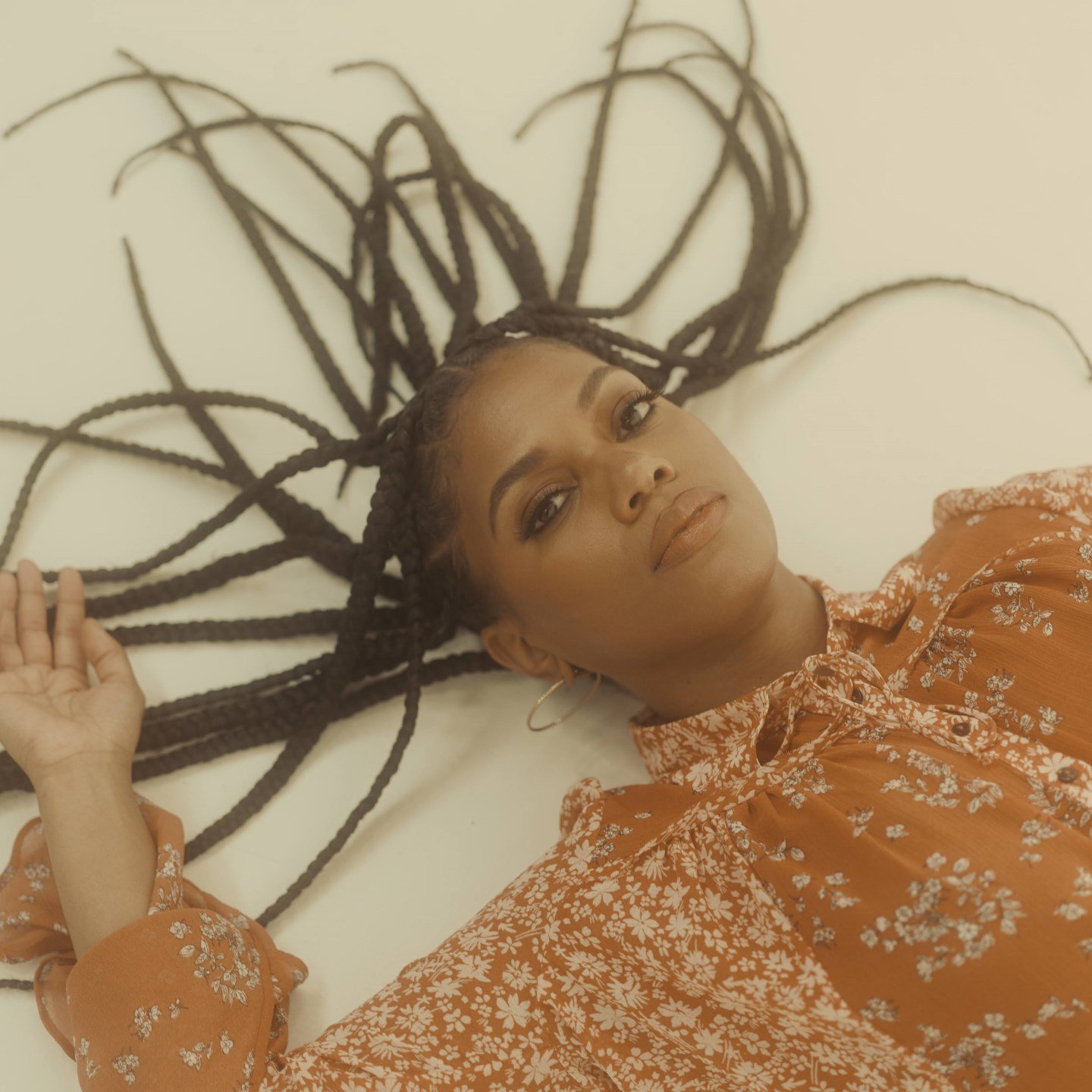
Born in Detroit and based in Atlanta, Ash Lauryn has spent her career as a DJ, radio host, writer, and curator lifting up Black dance music through her platform Underground and Black and other channels. Get ready for an assuredly soulful set at Bass Coast, and read some of her writing about Detroit techno: “That’s right guys, this music was born from the struggles and the good times of black people. Although it has taken on many different forms, the fundamentals will always remain the same.”
This Mexican American DJ and curator has become a pillar in Los Angeles and a household name in club communities across the states. Through her Warp Mode event series, Club Aerobics label, and NTS radio show radio, Bianca Oblivion strives to create physical and digital spaces for femme/non-binary, queer, and people of color. She blends high quality club and global bass fare with reggaeton and baile funk, and was one Mixmag’s 2023 breakthrough DJs of the year and part of Beatport Next's Class of 2024.
Conducta has been a key figure behind the renaissance of garage as both a DJ and the boss at Kiwi Rekords. His influential label closed its doors earlier this year, but Conducta continues on. You can bet a DJ who runs a label has plenty of tunes other DJs don’t have. That’s definitely the case with Conducta. Listen to the Kiwi Sound and hear Conducta describe his experience with mental health as a Black DJ on the Black Minds Matter interview series via RA Exchange.
Stephen Carr aka Digital has been producing and DJing out of the UK since 1994. As a member of the Metalheadz old guard, he’ll be delivering that timeless, galactic jungle drum & bass sound at Bass Coast. Digital knows and represents the roots. He grew up listening to reggae, ska, funk, and soul, and heard first-hand how these influences shaped jungle and later drum & bass. His 25 Years of Metalheadz set from Outlook Festival is a great Digital sampler.
Donna Dada
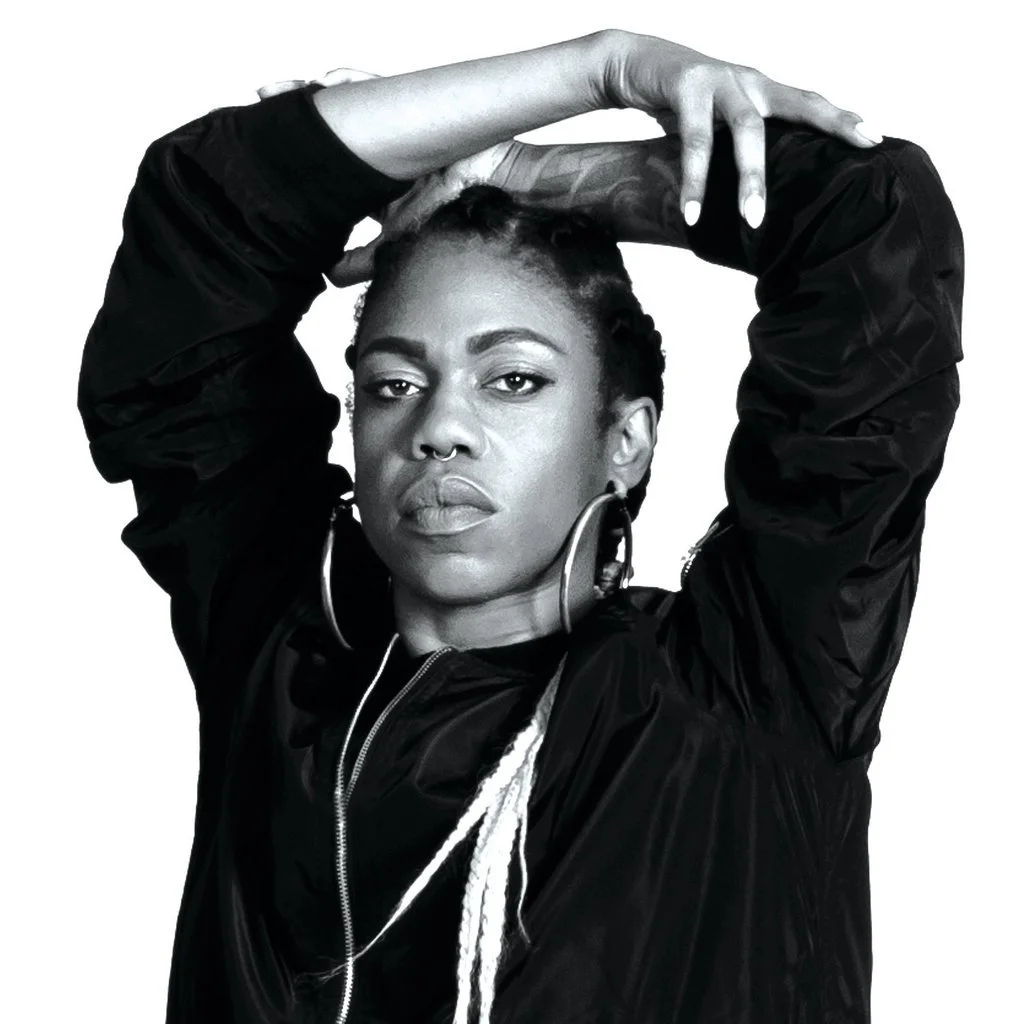
“Don Dada” is Jamaican slang for a top-ranking boss, and Donna Dada is definitely earning her moniker. This rising Canadian producer and DJ of Nigerian and Trini heritage exists “where jollof and doubles meet.” She has recently supported Sherelle in London, Anna Morgan in Vancouver, and K + Lab at Meow Wolf Denver, blending techno, afrobass, garage, jungle and more. Check out her Bass Coast 2022 set and get ready for Round 2 in Merritt.
Delano Smith is one of the first Detroit house DJs and credibly claims to be ”the real Detroit head's secret favorite.” He sinks into deep grooves that invite the audience’s attention with subtlety and nuance instead of demanding it with aggression. His imprint Mixmode has been dropping house jewels for more than 20 years. Simply put, Delano Smith is a master, and you don’t miss the masters!
Handsome Tiger’s music is the most unique of anyone on this list. The Anishinaabe Métis and North African producer/DJ resides in Vancouver and has become a beloved figure in western Canada’s bass community. On his latest release, First People, “Indigenous voices and PowWow Drums meet decolonized bass music, beats, global, hiphop, sound system culture & dub.” He was recognized as one of CBC (Canadian Broadcasting Company) Music’s six Indigenous artists you need to know in 2021 and CBC’s Reclaimed artists to watch in 2020.
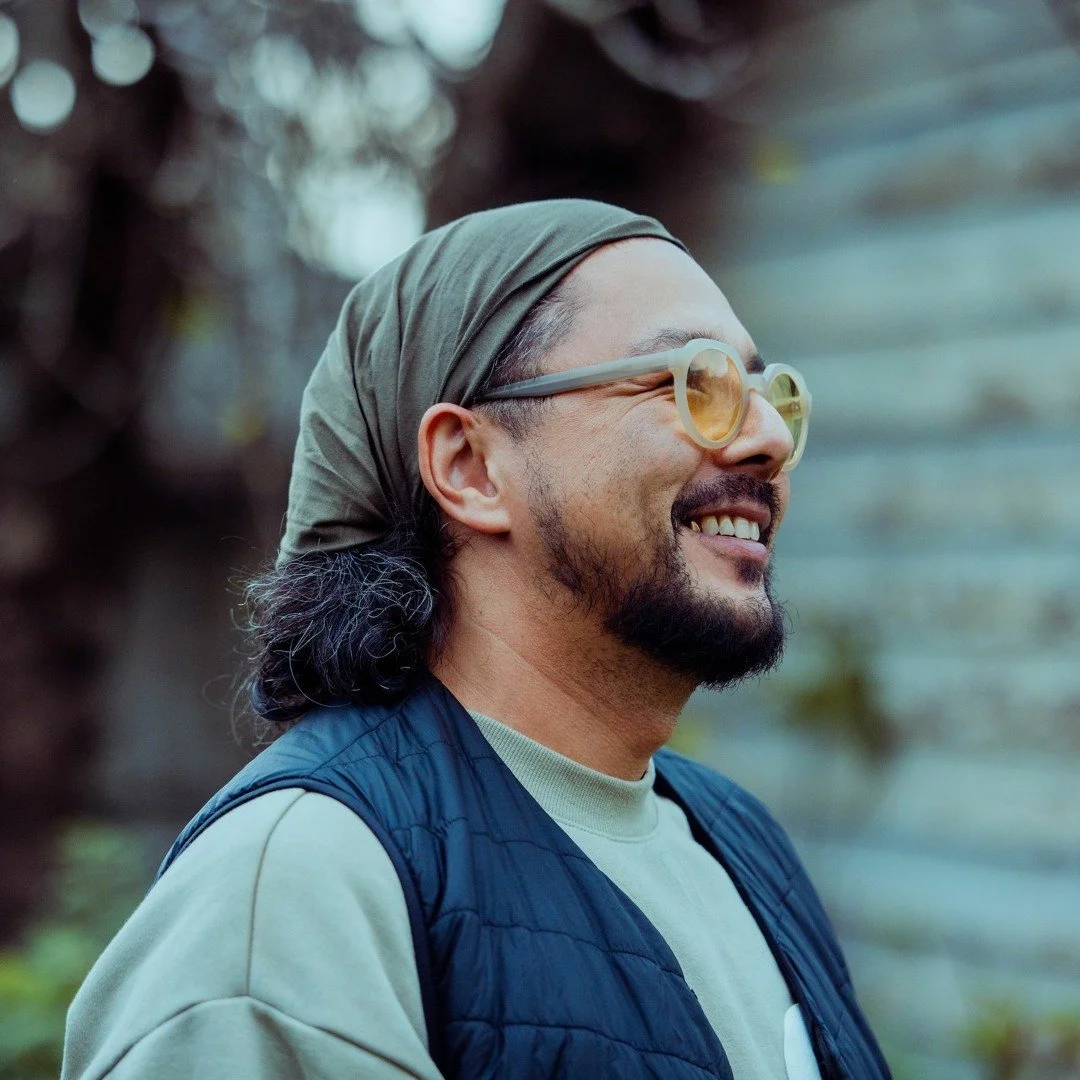
JPS
Jerry Poon aka JPS is a world-class operator. Originally from Singapore, he’s become a centrifugal force in Melbourne’s music scene. His company, The Operatives, has been bringing global talent to Australia for 20 years, from Mala and Chase & Status to Joe Kay and Jyoty. He plays a full spectrum of sub frequencies, from future bass and jungle to reggae and hip-hop, but he keeps the audience guessing, so who knows what he’ll play at Bass Coast. His set from Earth Frequency Festival 2022 is strictly vibes.
For a sensual reprieve from faster, more aggressive sounds at Bass Coast, see Minzi Roberta. A multi-hyphenate residing in Toronto by way of Hiroshima, Japan, Roberta’s SoundCloud is full of contemporary R&B, neo soul, jazz, and amapiano packaged in mixes like coconut oil, mint tea & lavender. Roberta has performed for Boiler Room, Rinse FM and Soulection and manages her own collective, Kuruza, which has a terrific radio show.
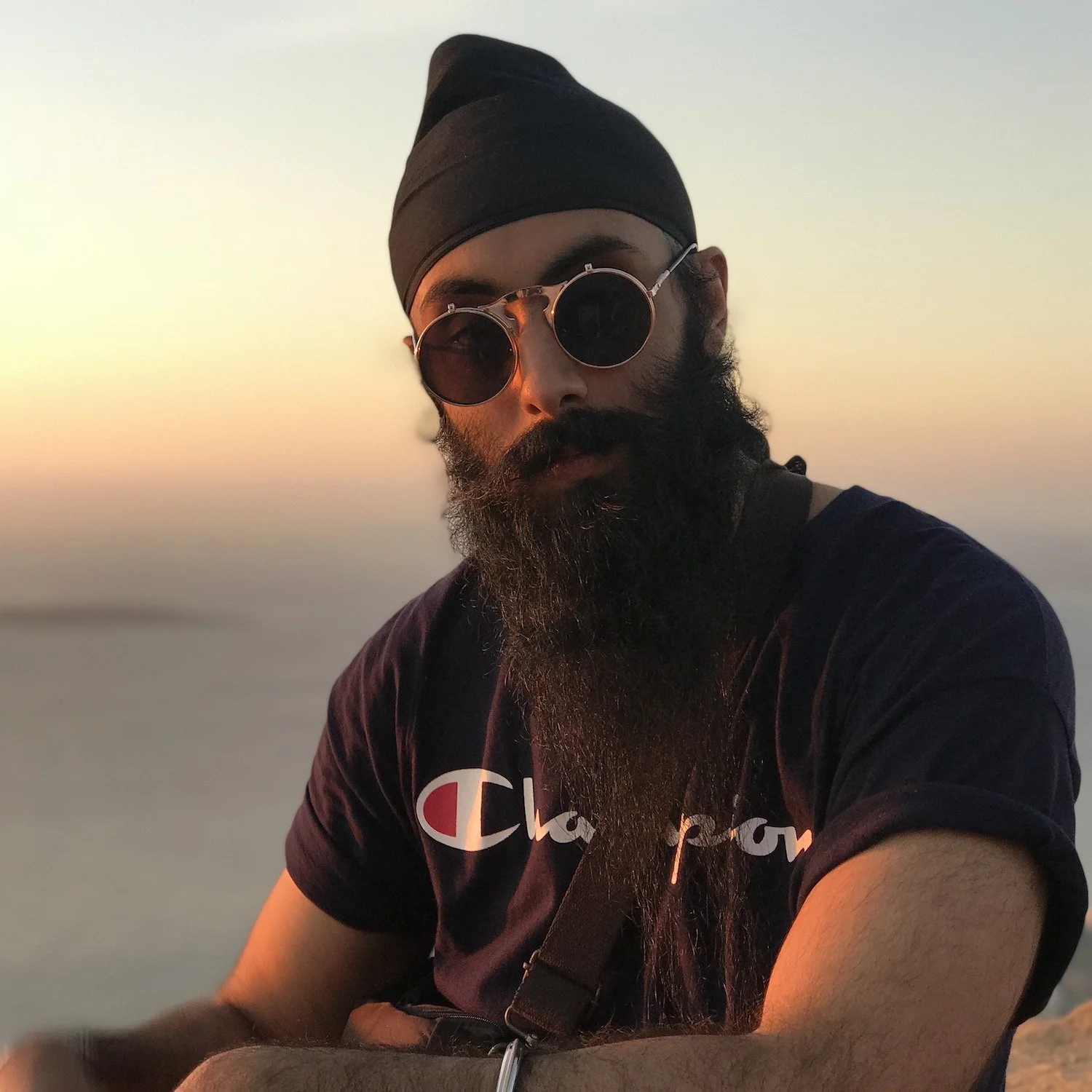
Yung Singh
After earning DJ Mag’s “Breakthrough Artist of the Year” award in 2021, the UK-based open-format DJ Yung Singh has continued to level up. He mixes all kinds of club music including garage, jungle, UK funky and grime with Punjabi folk sounds, and has earned the deep affection of ravers and Punjabi diaspora communities everywhere. Watch his Melbourne Boiler Room set, which has earned more than four million views, or do what I do and just replay this clip 10 times in a row.
How to Practice Sustainability at Bass Coast (And Beyond)
It takes hard work to host an enormous music festival in the middle of the woods without leaving any waste behind, but Bass Coast in Merritt, British Columbia (BC), Canada strives to make it easier, for both attendees and crew. Boasting a modest 6,500-person capacity and operated independently in the southern BC interior, it’s been twice awarded 'Best Boutique Festival in North America' by DJ Mag and 'Best Midsize Festival in Canada' by the Canada Music Awards. Curated by Andrea Graham aka The Librarian and Max Ulis, the lineup is of course stupendous. But Bass Coast hasn’t earned these accolades for music alone. Excellence at the event extends beyond the music to things like harm reduction, cultural respect, and sustainability.
Written by Mark McNulty
It takes hard work to host an enormous music festival in the middle of the woods without leaving any waste behind, but Bass Coast in Merritt, British Columbia (BC), Canada strives to make it easier, for both attendees and crew.
Bass Coast is a 6,500-person independent music festival in the southern BC interior, twice awarded 'Best Boutique Festival in North America' by DJ Mag and 'Best Midsize Festival in Canada' by the Canada Music Awards. Curated by Andrea Graham aka The Librarian and Max Ulis, the lineup is of course stupendous. But Bass Coast hasn’t earned these accolades for music alone. Excellence at the event extends beyond the music to things like harm reduction, cultural respect, and sustainability.

Photographer: Lung Liu
Sustainability is the ability to maintain a process continuously over time. For a festival to be successful in the long run, it must be sustainable (or have gobs of money). At events, this means being intentional about waste and not damaging the ecosystem. This is the 16th edition of Bass Coast. They have longevity in part because they don’t pollute the land.
Plus, no one wants to leave a set all elevated only to see piles of trash everywhere. You may realize your fun is coming at the expense of something larger, and begin to question the vibes. So here are some pointers to help you understand the ethos at Bass Coast, and put sustainability into practice.
“Visitors on the Land”
Bass Coast acknowledges that it’s located on the traditional, ancestral and unceded territory of the Nłeʔkepmxc or Nlaka’pamux (pronounced Ng-khla-kap-muhx) and Syilx people. The word “Nłeʔkepmxc” means “people of the creek,” according to the Lower Nicola Indian Band, one of five bands that live in and around the town known as Merritt. These indigenous or first peoples have lived for thousands of years along the Thompson and Nicola Rivers without significantly damaging the ecosystem. Surely party goers can keep it together for one weekend, in BC or anywhere else.
One of the best ways to manage waste is to create as little as possible. That starts by keeping camp waste organized. We’ve all hung out at that one haggard campsite before, and it can throw off the vibe. Plus, it’s easier to clean your site if you don’t let it get dirty!
Learn how to identify and sort your waste, including compost, returnables, specialty recycling, and landfill. Use black bags for trash and clear bags for recycling. If you run out, grab bags at the Eco Hub next to the Main Stage. Bass Coast tries to divert as much waste from landfills as possible, and your actions can make that easier or more challenging. Last year, the festival reduced landfill waste by 12% compared to 2022, according to their 2023 Sustainability Highlights. Each campground has bin stations and a Recycling Depot (marked with ♻ symbols on the map). Know where they are. When you depart, MOOP your site!
The Eco Hub is open 8:00am to 8:00pm. Drop off your specialist recycling (butts, batteries, propane tanks), wash reusable containers or cutlery, ask questions, and connect with super chill crew members.


One thing you’ll find at Bass Coast that you can’t always find elsewhere are pocket ashtrays. In 2019 at Shambhala, we introduced you to Jack Elliman of Brain Garden who invented them. They extinguish your cigarette butt and lock in the smell. You can purchase one at the Bass Coast General Store, and outreach staff will be distributing some. Empty them at the "Butt Ballot" at the Eco-Hub! If you want to join Jack’s butt patrol team at Bass Coast or get involved with Brain Garden in general, reach out here.
Bass Coast food vendors and bars are equipped to allow the use of reusable containers. So bring your own spork, bowl, and resealable mug for those Thai noodles or that granola cola. On a cold BC night after days of yelling in front of speaker stacks, nothing hits like a hot tea. But you can’t really boogie holding one of those spill-prone single use cups, so bring your own! Get one with a hook so you can hang it on a shoulder bag or belt.
Everyone’s got their own water bottle these days if only to stay hydrated, which is essential. Even Coachella cut out single-use bottles in 2023. Try extending that practice to food. At Bass Coast, I’ll have my own utensils and dishes for the first time. Bring a flash light instead of glow sticks, borrow instead of buying new (see the Buyarchy of Needs), and avoid packaging in the first place by buying bulk items and bringing them in your own containers.
Bass Coast sits on the Coldwater River. “It is a precious resource, and our rivers are constantly threatened by temperature and human intervention,” says Ruth Tolerton from the Lower Nicola Indian Band. “Please do your utmost to act with respect and responsibility toward our water."
It’s one of the most important systems in the larger Nicola watershed for wildlife like Fraser River chinook salmon, Interior Fraser coho, Thompson steelhead, and bull trout. Spawning Chinook and Steelhead were at record lows in 2018 in the watershed and both populations have been recommended for listing as endangered, according to Bass Coast.

Keep contaminants out of the river. I’ve heard some people who attend bass music festivals never use soap anyway, but if you do, don’t use it in the river! Reserve that for the showers at Camp B. Dispose of your dish water (“gray water”) at least 100 feet (about 35-40 adult paces) away from water sources. Here are tips for that process.
The pollution generated by a music festival includes the emissions everyone expends to get there, so consider how you can arrive with the least impact possible. If have to fly from the states, consider a carpool from Vancouver or Kelowna before a rental. The Bass Coast Ride Share Facebook group is always abuzz with activity (maybe bump my post while you’re there).
While BC is pretty rural, there are public transit options available. Bass Coast recommends Ebus. I’m arriving via BC Transit from Kamloops (but heads up, BC Transit doesn’t run every route every day, so check in advance). The best part of public transportation in BC? You can stare at the stunning scenery instead of the road. If you are driving, here are the directions to Bass Coast.
Festivals offer a unique opportunity to make changes. People are already feeling inspired and breaking away from the day-to-day. Build on that unique energy and embrace the Bass Coast sustainability ethos. We promise you’ll have a better time there (and everywhere) if you do.
Carry these sustainability practices to other festivals. For one thing, you’ll instantly become cooler if you tell people you picked them up at Bass Coast. For more tips, check out the Bass Coast First-Timer’s Guide and stay chooned for more of our pre-coverage.
FOLLOW Bass Coast: Official / Instagram / Facebook / Soundcloud

![Seppa - Interview + Boosted [EXCLUSIVE PREMIERE]](https://images.squarespace-cdn.com/content/v1/59530136f5e2319eabb7d87f/1626113208781-BZ7C6B7E3LCECV7UD4CS/Boosted.jpg)

Amongst the incoming generation of artists having finally found their bite, not yes exemplifies the modern paradigm of electronic production; there are no hard boundaries, no clearly defined destinations, and unbridled compositional freedom. There’s a refreshing whim to their choice of direction, and the result is a fast-growing, dynamic catalog that takes us through virtually every space in low-end territory.